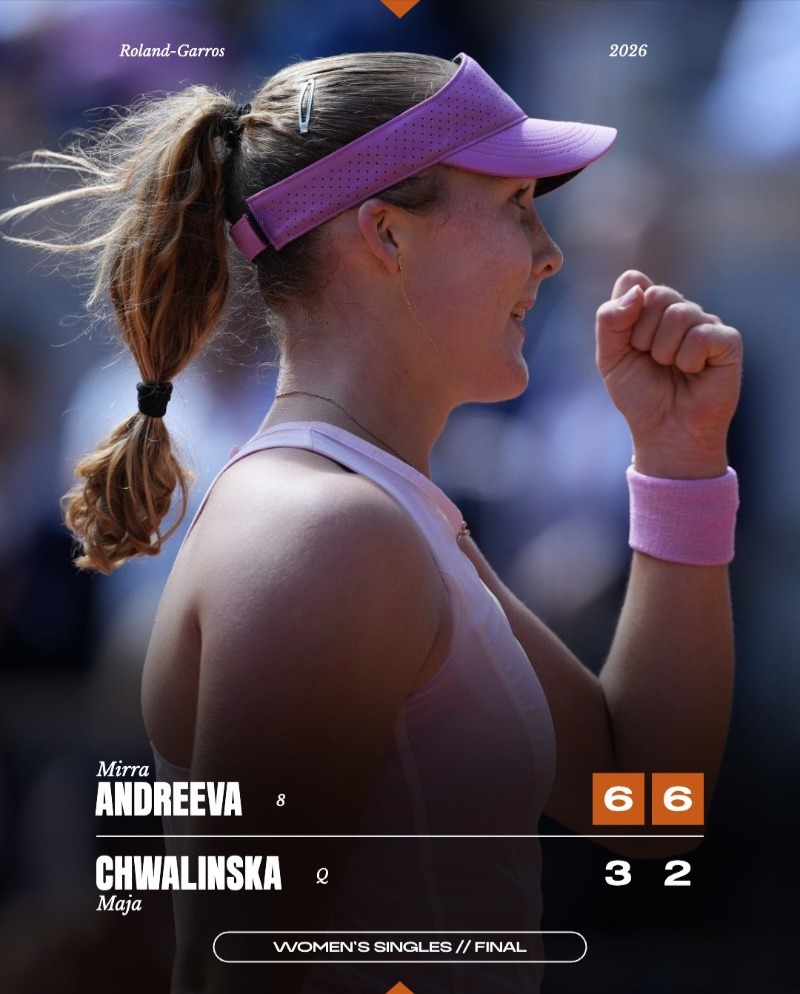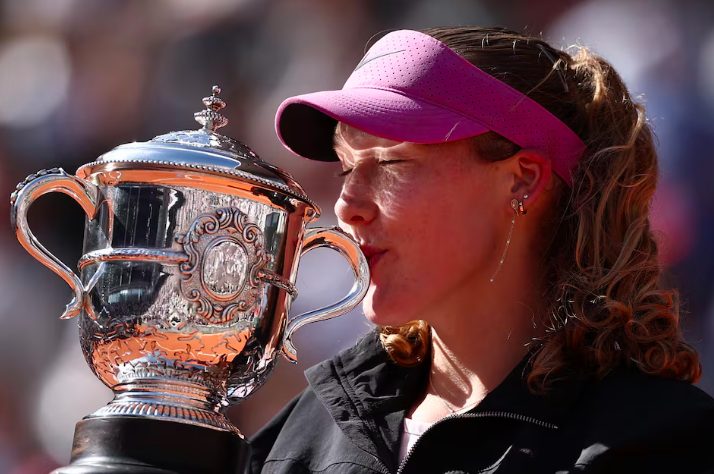
Russian Mirra Andreeva announced herself as the latest member of women’s tennis’s elite, after beating surprise finalist Maja Chwalinska 6-3 6-2 to become the youngest French Open champion in more than three decades.
Breaks were traded repeatedly, with Andreeva surrendering one service game with two double faults while Chwalinska’s forehand often let her down.
At 3-3, Andreeva began finding greater depth and weight off her wings, pushing Chwalinska behind the baseline and growing in confidence.
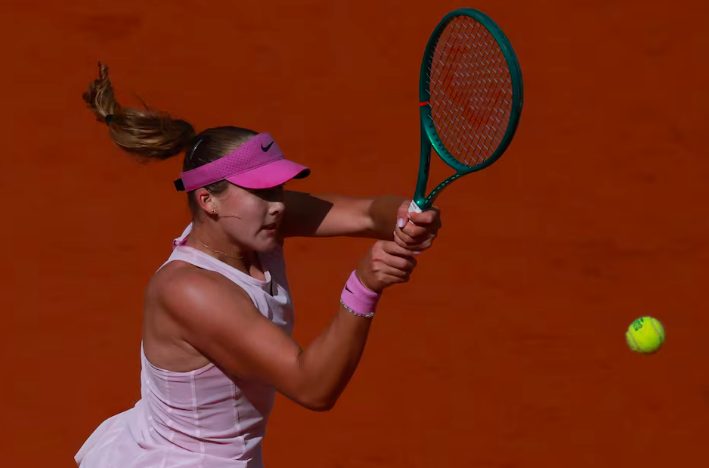
She broke for 4-3 when Chwalinska netted a sliced backhand, consolidated for 5-3 and then capitalised on another nervous service game to claim the opening set.
The Russian carried that momentum into the second, breaking immediately and again for a 4-0 lead as Chwalinska struggled to contain her opponent’s relentless pressure.
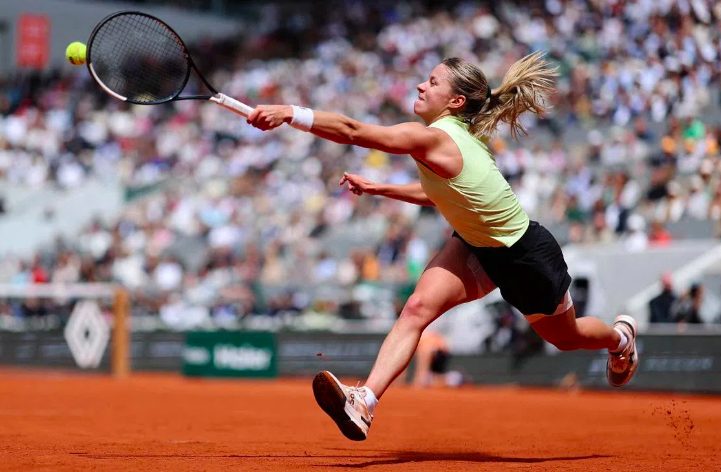
The Pole briefly threatened a comeback, recovering one break and reducing the deficit to 5-2, but Andreeva remained unmoved, sealing the biggest victory of her young career with a crisp crosscourt backhand winner on her opponent’s serve.
In doing so, Andreeva became the youngest women’s singles champion at Roland Garros since Monica Seles won her third consecutive title in Paris in 1992, a milestone that underlined the Russian’s precocious talent and the scale of her achievement.
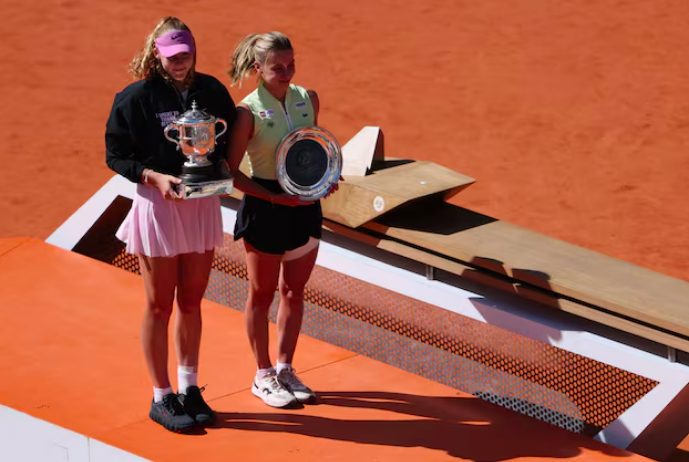
“I’ll be honest, I’ve done a lot of visualisations before. Not just this tournament, but I’ve had dreams, I’ve had a lot of thoughts on how it’s going to happen, if it’s going to happen, when it’s going to happen, where,” Andreeva told reporters.
“I would say the feeling in real life is so much better, obviously, than in your dreams… looking at this trophy and realising that this is actually true, and I can call myself a Grand Slam champion.”
The 19-year-old Russian, long regarded as one of the sport’s brightest prospects, delivered on her promise on the biggest stage of all, claiming a maiden Grand Slam title and joining the select group of active major champions led by players such as Iga Swiatek, Aryna Sabalenka and Coco Gauff.
While Chwalinska’s remarkable run from qualifying captured the imagination and triggered praise from the greats of the game over the past fortnight, the final belonged to a player who increasingly looks equipped to shape the sport’s future.
As the 24-year-old Pole struggled to reproduce the tactical brilliance that had carried her through nine successive victories, Andreeva grew stronger with every game, imposing her power, absorbing the pressure and leaving little doubt that a new force has arrived at the top of the women’s game.