
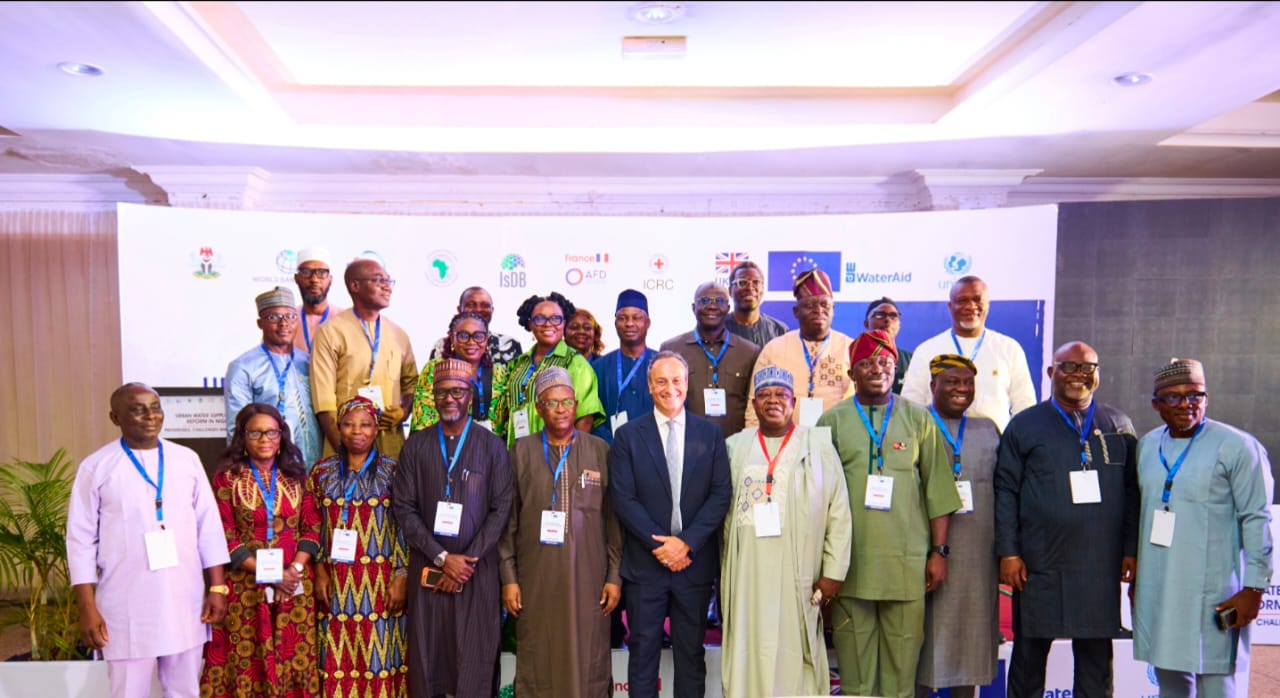
The Federal Ministry of Water Resources and Sanitation and development partners have renewed calls for stronger reforms, sustainable financing and enhanced collaboration to improve urban water supply services across Nigeria.
Speaking at the opening of a two-day Workshop on Urban Water Supply Sector Reform in Nigeria in Abuja, the Minister of Water Resources and Sanitation, Professor Joseph Terlumun Utsev, said access to quality water services remains a major challenge despite ongoing investments and reforms in the sector.
Utsev, represented by Babarinde Mukaila noted that increasing water scarcity, population growth, climate change variability and financing gaps require “concerted effort” through infrastructure investments, governance reforms, sustainable water management and partnerships to achieve the Sustainable Development Goals on water and sanitation.
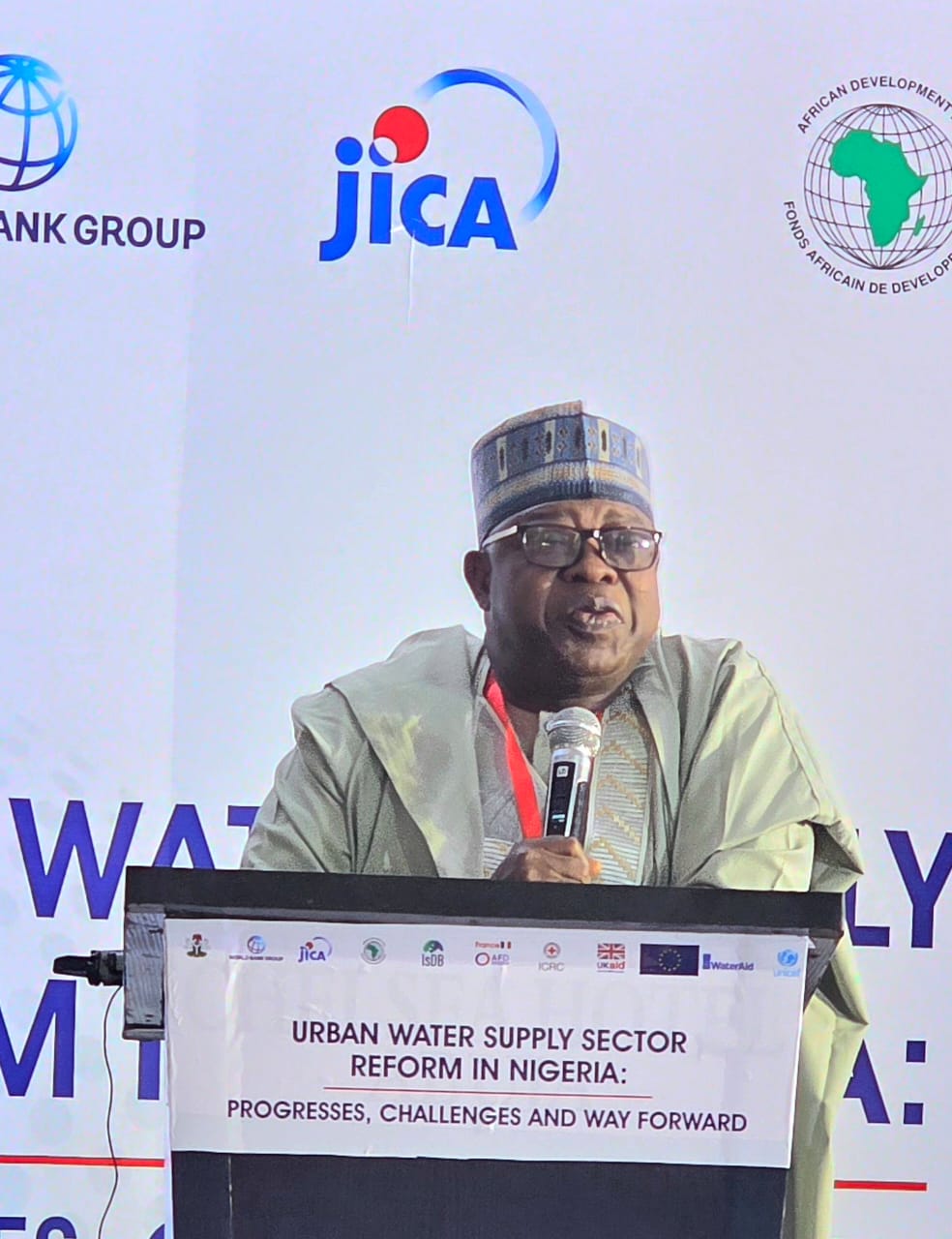
He said development partners including the French Development Agency (AFD), World Bank, African Development Bank, UNICEF, FCDO, WaterAid, JICA, Islamic Development Bank and the European Union had supported several urban and rural water projects across the country.
According to the Minister, the workshop was convened to share and understand the challenges affecting the implementation of urban water supply sector reforms, identify successful approaches that could be replicated in future programmes, and draw lessons from relevant international and local experiences.”
He stated that “the outcomes would guide the Federal Ministry of Water Resources and Sanitation and the Development Partners Group in structuring future interventions.”
Progress recorded
On behalf of the Development Partners Group, France Ambassador to Nigeria and ECOWAS, Marc Fonbaustier said Nigeria had recorded progress through reforms, infrastructure investments and stronger collaboration among stakeholders, but acknowledged that significant challenges remained.
“Many urban households still rely on private boreholes, water vendors, and tanker services, which are often costly, unreliable, and do not always provide safe water for domestic use,” the Envoy stated.
Fonbaustier noted that France, through AFD, was supporting Nigeria’s urban water agenda. He said that “over the past decade, AFD has committed more than EUR 300 million to urban water sector investments across seven Nigerian states.”
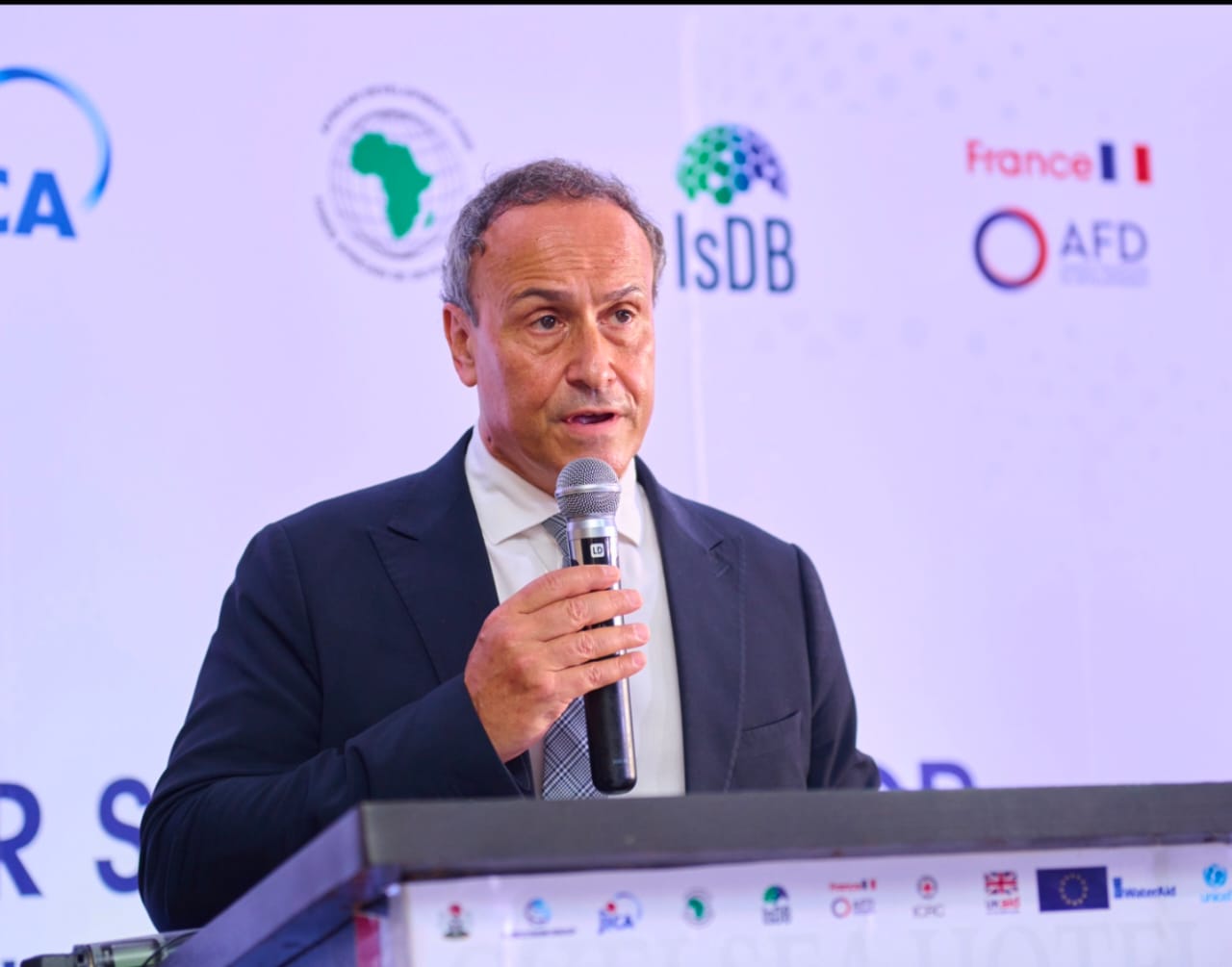
According to him, “The projects we implement together go far beyond infrastructure. They are investments in people. Access to safe water improves health outcomes, reduces the burden on women and children, supports economic activities, and enhances the quality of life of entire communities.”
The Akwa Ibom State Commissioner for Finance, Emem Bob, said participation in the workshop provides a strategic opportunity for states to strengthen water sector financing and attract development support.
In an exclusive with Voice of Nigeria, Bob said engagement with development partners could unlock future financing opportunities for water infrastructure projects, enhance investment readiness and provide insights into successful governance and utility reform models.
He said; “The invitation from the Federal Ministry of Water Resources and Sanitation presents a strategic opportunity for Akwa Ibom State to strengthen its water sector financing, attract development partner funding and align with emerging national urban water reform frameworks.”
Highlighting the value of engagement with development institutions, Bob stated that improved water supply systems support industrialisation, public health, tourism, housing and broader economic growth objectives.
He said; “Engagement with the French Development Agency (AFD), World Bank, AfDB, UNICEF, EU, JICA and other partners could unlock future financing opportunities for water infrastructure projects.”
According to him, “Understanding donor requirements will enhance the State’s ability to prepare bankable water and sanitation projects.”
Also speaking, Akwa Ibom State Commissioner for Water Resources, Sanitation and Hygiene, Ubuo Ubuo, described the workshop as “very timely and informative, stressing the importance of learning from peer states and building partnerships to sustain water service delivery.
He said; “The workshop is very timely and informative because as the states are considering provision and expansion of water services to her citizenry it’s important to undergo peer review and also probably source for sponsorships or partnerships with donor agencies for assistance.”
Ubuo stressed that “Provision and sustainability of water services cannot be overemphasised, because water is the bedrock for a healthy population of any state,” underscoring the importance of water to development outcomes:
He further highlighted ongoing water sector interventions under Governor Umo Eno’s ARISE Agenda, stating that the Governor had approved rural water schemes in all 369 wards of the state, while urban water infrastructure was undergoing expansion to serve residents.
The commissioner said it was necessary for states to learn from one another and understand funding pathways, adding that “it’s necessary to also know what other states are doing and how they are getting funding.”
Stakeholders at the workshop said that sustainable urban water reforms must ultimately deliver tangible benefits to citizens.
They noted that investments in the sector are not limited to pipes, treatment plants and distribution networks but are essential for improving health, livelihoods and economic opportunities.
Collectively, stakeholders are calling for stronger collaboration, greater investment readiness, knowledge sharing, and sustained reforms to improve urban water supply and sanitation services across Nigeria.
The workshop themed “Urban Water Supply Sector Reform In Nigeria: Progresses, Challenges And away Forward” is convened by the Federal Ministry of Water Resources and Sanitation and Development partners Group. They are Agence Française de Développement (AFD); World Bank; African Development Bank (AfDB); UNICEF;Foreign, Commonwealth & Development Office (FCDO);WaterAid; Japan International Cooperation Agency (JICA); Islamic Development Bank (IsDB); and the European Union( EU).

