The Kaduna State Government has thrown its weight behind stricter regulation of social media platforms, citing the need to curb the spread of misinformation and prevent the escalation of conflicts in the state.
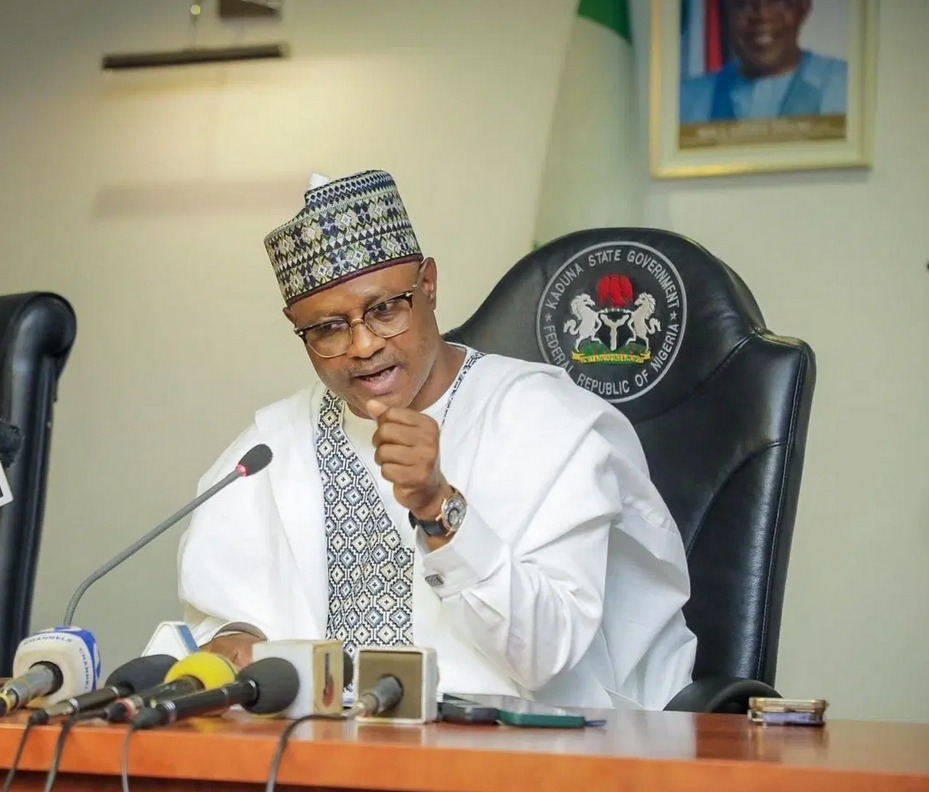
This position was articulated by the state Commissioner for Information and Culture, Ahmed Maiyaki, during the dissemination of findings from the Dilemi Prosper Project, held at the Gusau Institute in Kaduna.
The project was implemented under the Strengthening Peace and Resilience in Nigeria (SPRING) initiative, supported by the UK Foreign, Commonwealth and Development Office.
READ ALSO: Kaduna Launches Maternal Health, HPV Vaccination Drive
According to a new peacebuilding report emerging from the project, youths, digital platforms, and competing narratives have been identified as major drivers of insecurity in northern Nigeria.
Speaking at the event, Maiyaki said the findings underscore the importance of evidence-based peacebuilding. He warned that digital platforms are increasingly being used as tools for misinformation and the escalation of conflict.
“We are quite glad with the report that we have seen, which is evidence-based. Addressing conflict and building peace requires evidence, not assumptions. You do not entrench peace, institutionalise peace, or build peace without evidence of what has been done,” he explained.
The commissioner expressed concern over what he described as the growing misuse of social media in fueling tensions. He said the government would intensify efforts to tackle misinformation and disinformation.
Maiyaki noted that, “Our greatest concern remains one of the outcomes of the report, which has shown digital media as one of the enablers of escalation of conflict. And my ministry is quite worried about this.
While acknowledging the role of social media as a vital tool for information dissemination, the commissioner stressed that such platforms must not be allowed to become vehicles for incitement or falsehoods.
“Social media is an important component of information dissemination and media engagement, but it should not be used negatively to spread falsehoods or inflame tensions,” he emphasised.
Maiyaki reaffirmed the state government’s support for stronger regulation of digital platforms, arguing that freedom of expression must be balanced with responsibility.
“Even in advanced democracies such as the United States, social media platforms are regulated. We cannot, in the name of freedom, allow people to abuse these platforms to instigate conflict or misinform the public,” he stated.
The commissioner added that the government would continue to provide timely and accurate information while working to counter fake news that could trigger unrest.
“There are laws in the country that prohibit the amplification of fake news. The government will not sit idle and watch conflict merchants use these platforms to misinform the public or instigate people against one another,” he revealed.
Maiyaki also highlighted ongoing peacebuilding initiatives by the state government, including the Kaduna Peace Model, which he said was being institutionalised to ensure long-term sustainability.
He disclosed that the state had begun training 1,000 forest guards to support security agencies in protecting communities across the state. He also noted that the state’s Early Warning and Early Response Mechanism had proven effective in preventing crises.
“In the last three years, we have received close to 70 early warning reports and successfully responded to and resolved more than 65 of them”.
“That is why, in the last three years, we have not witnessed any major ethno-religious conflict in Kaduna. We continue to work closely with stakeholders to resolve issues before they escalate,” Maiyaki added.
The one-day event brought together government officials, civil society actors, and development partners to review results from the eight-month intervention.