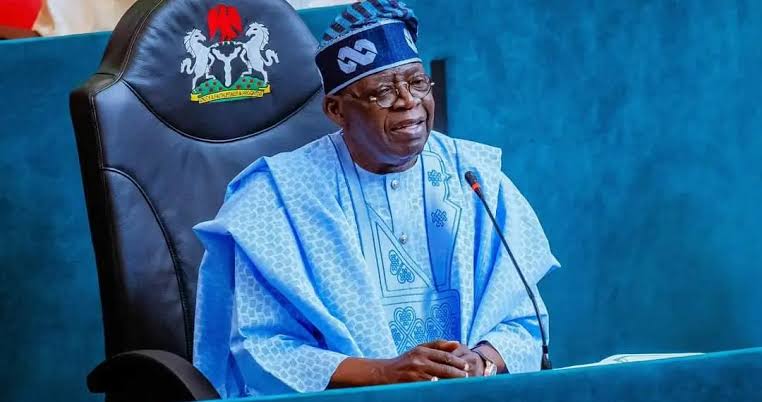
Upon assuming office in a democratically elected government on May 29th 2023, President Bola Ahmed Tinubu introduced necessary reforms aimed at addressing longstanding structural challenges and repositioning Nigeria for sustainable development.
While the nation grapple with the immediate effects of major economic reforms such as the removal of fuel subsidy and the unification of exchange rates, it also faced persistent security threats, marked by kidnappings, banditry and terrorist attacks, as well as economic constraints that hindered the full realisation of its vast potential.
In the same vein, foreign exchange distortions, rising debt obligations, declining revenues and mounting fiscal pressures, reflected the difficult realities that confronted the Tinubu administration at inception, constraining economic growth and weakening investor confidence.
The nation was equally confronted with the challenge of rebuilding national cohesion, bridging ethnic and regional divides, restoring a shared sense of purpose, and strengthening state authority across the federation.
Addressing these challenges required decisive action. The Bola Tinubu led administration pursued reforms aimed at restoring economic stability, strengthening public finances and laying the groundwork for sustainable growth, despite the short-term costs of correcting age-long structural imbalances.
Among the most significant of these reforms were the removal of fuel subsidy and the unification of the foreign exchange market, both policies which, though initially viewed as difficult, were designed to eliminate longstanding distortions and strengthen the foundations of the economy.
In pursuit of this objective, the administration advanced measures aimed at deepening security, governance and restoring the state’s presence in vulnerable communities.
These include; efforts to decentralise policing through the proposed establishment of state police, the approval of forest guards to secure ungoverned spaces, and the adoption of intelligence-driven security operations.
The government has also intensified efforts to disrupt criminal networks, strengthen regional security cooperation and implement socio-economic interventions targeted at addressing the underlying drivers of insecurity, particularly among vulnerable youths.
Complementing these efforts was the emphasis on dialogue, reconciliation and stakeholder engagement to strengthen national cohesion.
Through consultations involving community leaders, traditional institutions and security agencies, efforts were made to address long-standing grievances, build trust and promote peaceful coexistence in affected communities.This approach was evident in Plateau State, where President Tinubu brought together political, traditional and religious leaders, alongside youth groups, to advance dialogue and foster lasting peace, recognising that stability remains essential to national development.
While considerable challenges remain, these reforms have yielded measurable gains, as public revenues have improved; foreign exchange reserves have risen above $50 billion, the highest level in 17 years as of June 9, 2026.
This is happening alongside renewed investor interest and improved credit ratings by global agencies, reflecting rising confidence in Nigeria’s reform agenda and economic management.
Similarly, enhanced security coordination and the gradual restoration of civil authority in some previously troubled communities have strengthened the state’s capacity to respond to security threats and promote national stability.
Collectively, these efforts demonstrate that security; economic stability and national cohesion are mutually reinforcing foundations of development, essential for prosperity, social progress and enduring democratic stability.
As Nigeria continues its journey of reform and renewal, sustaining the gains recorded over the past three years will require continued inclusion, accountable leadership and a shared national purpose.