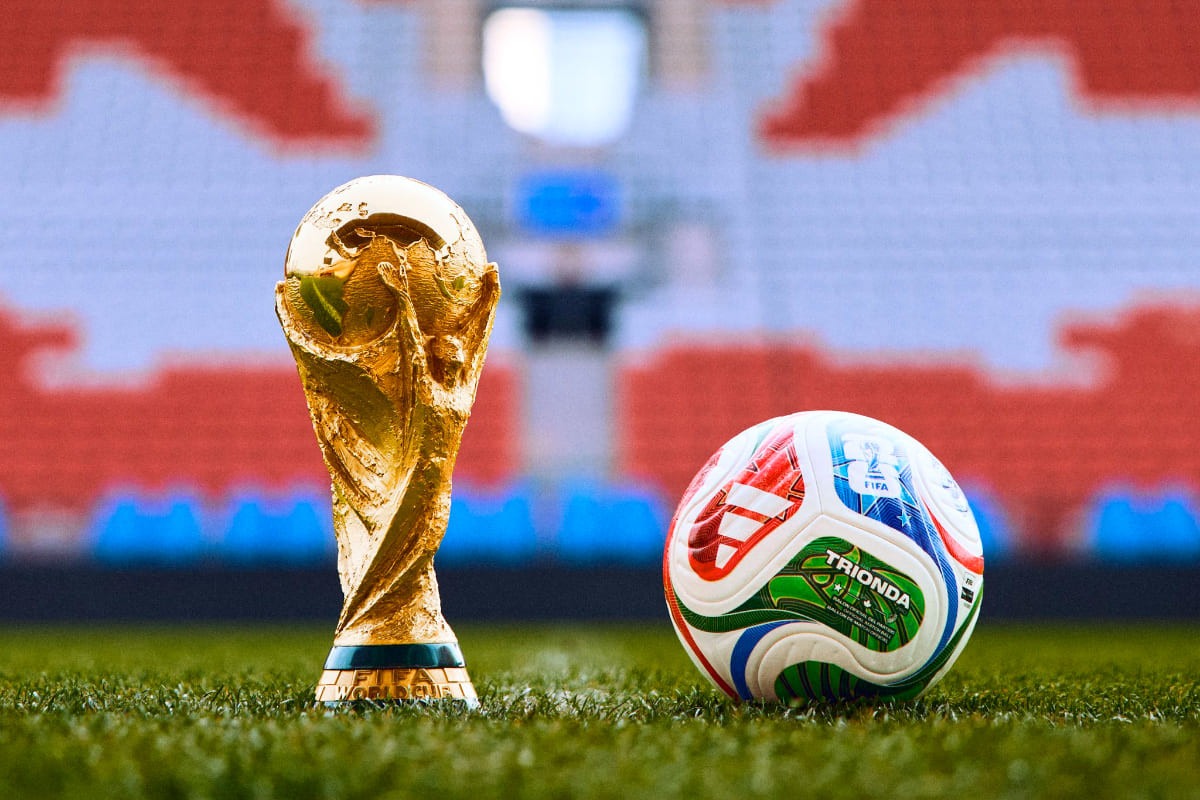
The 2026 FIFA World Cup will be remembered as a landmark tournament in football history. For the first time, 48 nations participated, providing more countries with the opportunity to compete on the sport’s biggest stage. The tournament, co-hosted by the United States, Canada, and Mexico, also recorded Africa’s largest-ever representation, with ten teams qualifying for the finals.
The tournament produced a new world champion, with Spain defeating defending champions Argentina 1–0 after extra time in the final to lift the FIFA World Cup for the second time while England came third by beaten France.
Beyond crowning a new champion, the competition provided another opportunity to assess the progress of African football and the continent’s determination to compete consistently with the world’s elite football nations.
Africa’s representatives — Morocco, Senegal, Egypt, Ghana, South Africa, Tunisia, Côte d’Ivoire, Algeria, the Democratic Republic of Congo, and debutants Cape Verde — entered the tournament with high expectations. The expansion of the competition provided greater representation for the continent, but it also increased the responsibility of African teams to demonstrate their growing strength on the global stage.
Overall, African teams displayed resilience, technical ability, and tactical discipline throughout the tournament. Several teams produced impressive performances against highly rated opponents, showing that African football continues to make steady progress.
Morocco once again confirmed its position as one of Africa’s leading football nations. The Atlas Lions demonstrated organisation, teamwork, and tactical maturity, highlighting the importance of consistent planning, quality coaching, and effective football administration.
Egypt also showed determination, combining experience with defensive discipline and attacking quality. Senegal continued to display the physical strength and fighting spirit that have become associated with the Teranga Lions, although inconsistency affected their chances of making a deeper impact.
One of the remarkable stories of the tournament was Cape Verde’s debut appearance. The island nation approached the competition with confidence and determination, proving that emerging football nations can compete effectively when supported by proper planning, disciplined coaching, and player development.
However, despite these encouraging displays, African teams are still faced with challenges that have limited their progress at the highest level. Issues such as inadequate grassroots investment, weak domestic leagues, poor infrastructure, administrative challenges, and insufficient preparation continue to affect the continent’s ability to compete consistently with Europe’s and South America’s strongest football nations.
Be that as it may, modern football is increasingly shaped by sports science, data analysis, youth academies, professional coaching, and long-term strategic planning.
Consequently, African football must continue to embrace these areas if the continent hopes to produce regular World Cup contenders.
There are, however, reasons for optimism. More African players are making significant contributions to the European leagues, gaining valuable experience at the highest level. Across the continent, football academies are also producing talented young players, while partnerships are helping to improve coaching standards and administration.
To sustain this progress, governments, football authorities, and the private sector must collaborate to strengthen football development. Improved domestic competitions, modern training facilities, transparent administration, and stronger youth programmes remain essential for Africa to achieve its full football potential.
The 2026 FIFA World Cup has shown that African football has the talent, passion, and ambition to compete among the best in the world. The next step is addressing the structural challenges that have prevented the continent from achieving greater success.
As attention shifts towards future tournaments, African nations must build on the lessons of 2026 through better planning, sustained investment, and stronger leadership. With the right approach, the dream of seeing an African nation win the FIFA World Cup can become a reality.
Such an achievement would not only be a historic milestone for African football but would also inspire millions of young players across the continent to believe that success on football’s biggest stage is possible.