
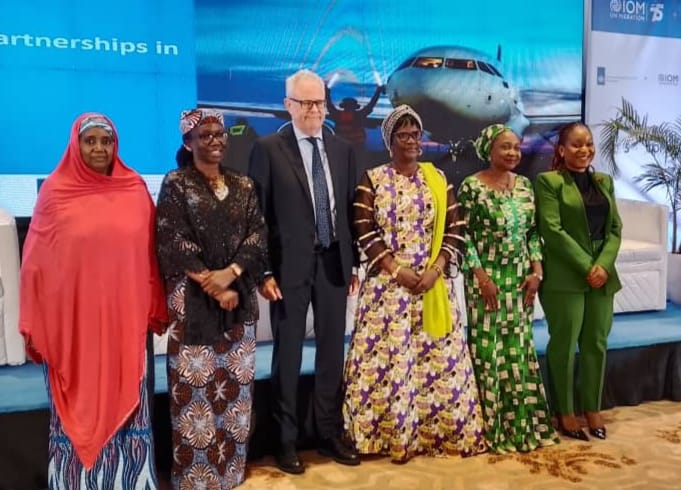
The International Organisation for Migration (IOM) has reaffirmed its commitment to promoting safe, orderly and regular migration in Nigeria.
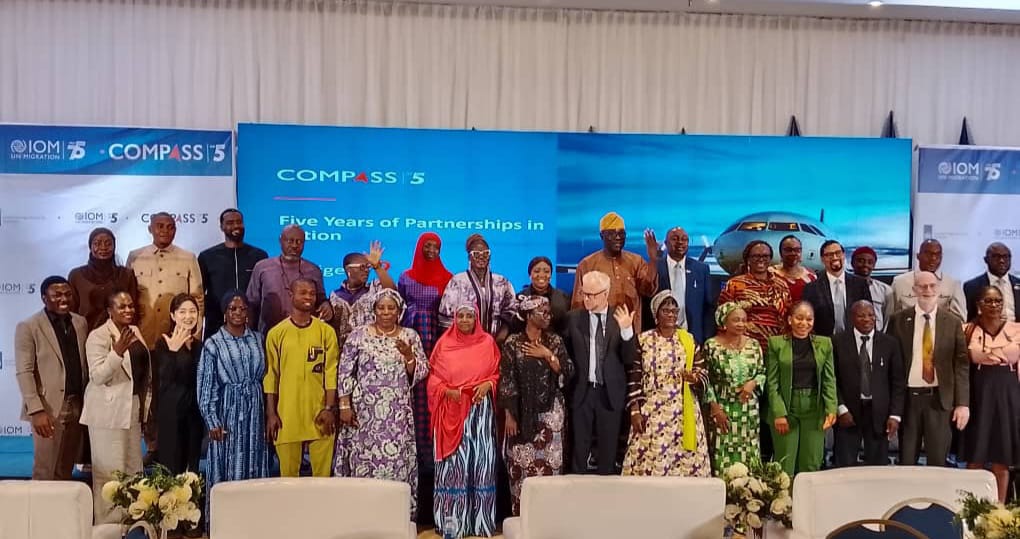
The commitment comes as the IOM celebrated the fifth Anniversary of the Comprehensive Protection, Reintegration and Assistance to Migrants and Communities (COMPASS) Programme, highlighting five years of strengthening migration governance, protecting vulnerable migrants and supporting the sustainable reintegration of returnees.
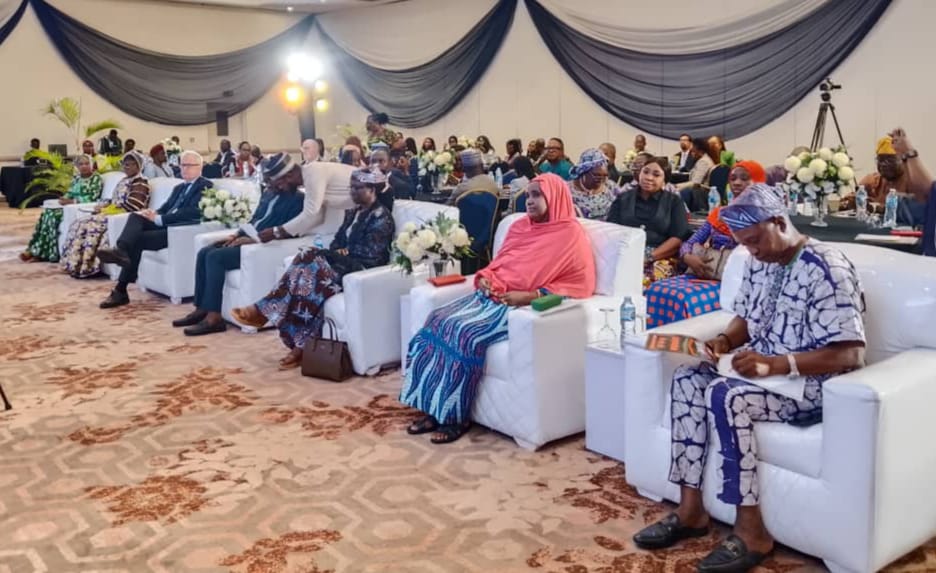
The Anniversary celebration, themed “Five Years of Guiding Safe Migration, Partnerships, Protection and Pathways in Nigeria,” brought together representatives of the Nigerian Government, the Government of the Kingdom of the Netherlands, development partners, civil society organisations and other stakeholders to review the programme’s impact and chart a path for the future.
Speaking at the event, the Chief of Mission of IOM Nigeria, Ms. Sharon Dimanche, said migration itself was not the problem but the absence of safe and legal pathways.
“Migration is not the problem. The challenge is ensuring that migration is safe, orderly and regular, while protecting the dignity of every migrant”, She said.
According to her, the programme’s true success lies in the lives it has transformed. Illustrating this with the story of Joy, a survivor of human trafficking who returned to Nigeria traumatised after being deceived and exploited abroad but rebuilt her life through the COMPASS Programme.
“Like many young Nigerians, Joy dreamed of a better future. Instead, she was deceived, trafficked and exploited. She returned home carrying deep trauma and very little hope. But that was not the end of her story,” Dimanche said.
She explained that through psychosocial support, livelihood assistance and reintegration services provided under the programme, Joy regained her confidence and established her own fashion business.
“Joy is no longer defined by what happened to her. She is defined by what she has become. That is what COMPASS is really about,” she said.
Dimanche noted that the programme has over the past five years strengthened Nigeria’s migration governance through improved policies, institutional coordination and national systems, while placing protection at the centre of migration management.
According to her, more than 900 vulnerable migrants had benefited from sustainable reintegration support, including healthcare, psychosocial care, livelihoods and community-based assistance.
“Behind every policy, every training and every statistic is a human being. IOM remains committed to supporting the Government of Nigeria in building “a migration system that is humane, inclusive and leaves no one behind”, she noted.
She further commended the Nigerian Government, the Government of the Kingdom of the Netherlands, development partners, civil society organisations and local communities for their collaboration.
On his part, Nigeria’s Minister of Humanitarian Affairs and Poverty Alleviation, Dr. Bernard M. Doro, described the anniversary as a celebration of lives transformed and partnerships strengthened through the COMPASS Programme.
Drawing from his personal migration experience in the United Kingdom, the minister said safe and well-managed migration creates opportunities for individuals and countries alike.
“When migration is safe, regular and well-managed, it builds capacity, strengthens nations and allows those who leave to return and give back even more than they received,” Doro said.
He warned that irregular migration continues to expose thousands of young Nigerians to trafficking, exploitation and abuse.
“Beyond supporting returning migrants, the programme has strengthened migration governance, reinforced institutional coordination, promoted community resilience and demonstrated the power of partnership in addressing complex migration challenges,” Doro said.
He stressed that irregular migration continues to expose many young Nigerians to trafficking, exploitation and abuse. He highlighted the Federal Government’s One Humanitarian, One Poverty Response System (OHOP) as a key reform designed to integrate humanitarian assistance, social protection and poverty reduction into a coordinated national response.
“Our objective is clear: to move from fragmented implementation to coordinated systems, from emergency assistance to resilience, and from dependency to sustainable pathways out of poverty,” he added.
Also speaking, the Ambassador of the Kingdom of the Netherlands, to Nigeria, Bengt van Loosdrecht, said the partnership with Nigeria would continue to focus on protecting vulnerable migrants, supporting voluntary return and reintegration, and strengthening services for survivors of trafficking.
“This programme is about human dignity. It is about returning safely. It is about addressing the agony of victims of human trafficking and preventing the pain of families who do not know what happened to loved ones who embarked on dangerous migration journeys,” he said.
Other speakers, including the Director-General of the National Commission for Refugees, Migrants and Internally Displaced Persons (NCFRMI), Binta Bello, and representatives of the Ministries of Women Affairs and Youth Development, commended the achievements of the COMPASS Programme and called for sustained partnerships to expand safe migration pathways, strengthen livelihoods and protect vulnerable Nigerians.
Stakeholders agreed that while the COMPASS Programme had recorded significant progress over the past five years, sustained collaboration, stronger institutions and increased investment in livelihoods and community resilience would be critical to ensuring safe migration and lasting reintegration for vulnerable Nigerians.

 has reaffirmed its commitment to promoting safe, orderly and regular migration in Nigeria as it celebrated the fifth anniversary of thethe Comprehensive Protection, Reintegration and Assistance to Migrants and Communities (COMPASS) Programme, highlighting five years of strengthening migration governance, protecting vulnerable migrants and supporting the sustainable reintegration of returnees.)