The Niger State Ministry of Women Affairs and Social Development has intensified efforts to improve the economic well-being of women by engaging key stakeholders in the process of domesticating the Women Economic Empowerment (WEE) Policy in the state.
As part of the initiative, the ministry organised a stakeholders’ engagement workshop for the Vice Chairpersons of the 25 Local Government Areas and directors from relevant Ministries, Departments and Agencies (MDAs).
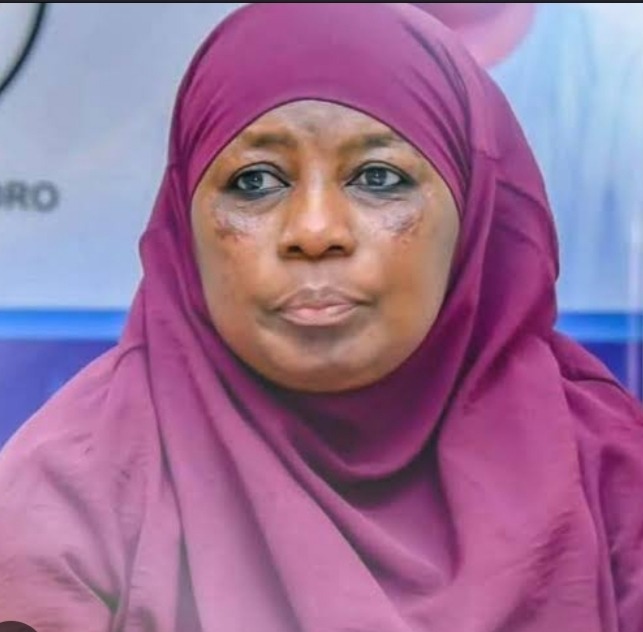
Commissioner for Women Affairs and Social Development, Hadiza Idris Kuta, said the engagement reflects the ministry’s commitment to ensuring that women across the state benefit from an inclusive and practical policy that addresses their economic challenges.
She explained that the participation of the 25 Vice Chairpersons is crucial because they work closely with women at the grassroots and understand their needs and aspirations.
ALSO READ: Niger State Bids To Host 2028 National Sports Festival
According to the Commissioner, their contributions will enrich the policy document and ensure it responds to the realities facing women in both rural and urban communities.
Hadiza Idris Kuta also stressed the need to expand awareness campaigns and provide more capacity-building opportunities for women, particularly those in rural areas, to improve their livelihoods and promote economic independence.
She disclosed that the ministry has continued to carry out sensitisation visits to Ministries, Departments and Agencies across the state in collaboration with the Nigeria Governors’ Forum consultant, Professor Funmilayo Banjo, as part of the process of adapting the National Women Economic Empowerment Policy to suit the specific needs of women in Niger State.
Speaking on behalf of the 25 Vice Chairpersons, the Vice Chairperson of Munya Local Government Area, Christiana Alkali, commended the present administration for giving priority to women’s inclusion and empowerment.
She noted that women have faced disadvantages in many sectors of the economy over the years and described the move to domesticate the Women Economic Empowerment Policy as a major step towards addressing those challenges and creating more opportunities for women across Niger State.