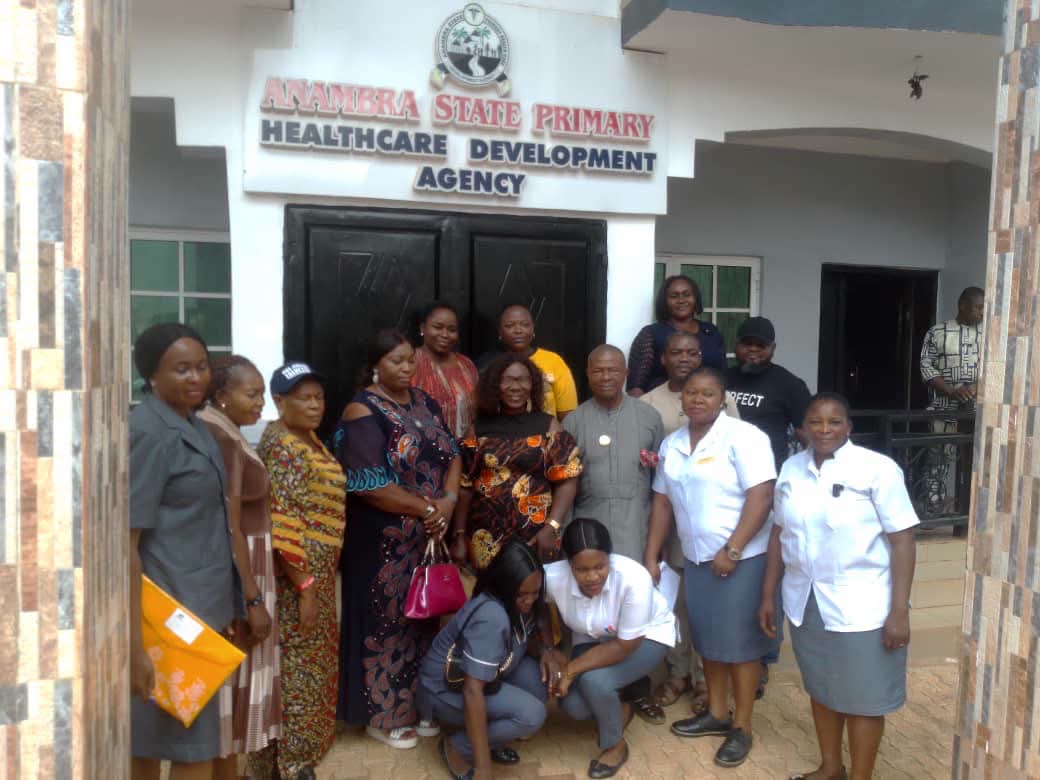
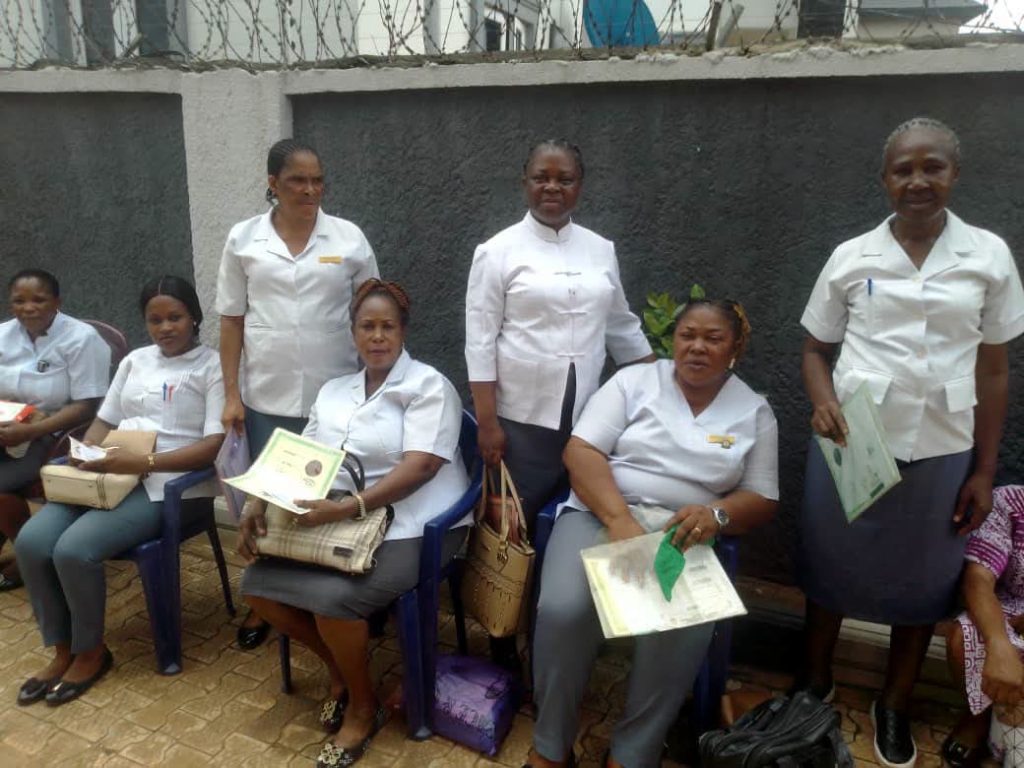
The Community Health Practitioners Registration Board of Nigeria (CHPRBN) has commenced the verification of certificates and licences of more than 3,000 community health workers in Anambra State as part of efforts to eliminate quackery and strengthen professional standards in healthcare delivery.
The exercise, being conducted across the state’s 21 local government areas, is aimed at identifying qualified practitioners, detecting forged credentials and ensuring compliance with statutory requirements.
Speaking during the verification exercise at the Anambra State Primary Healthcare Development Agency, the Registrar of CHPRBN, Associate Professor Bashir Idris, represented by his Technical Adviser and leader of the verification team, Dr Peace Ike Onwueme, said the exercise was ongoing simultaneously across the five South-East states.
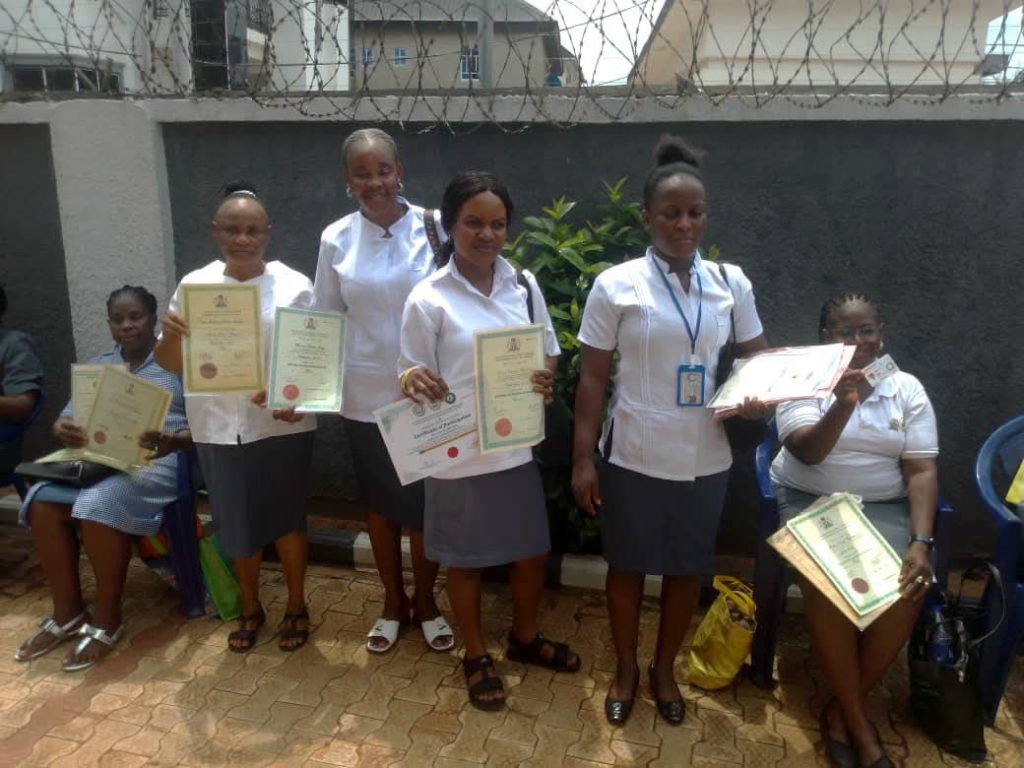
Onwueme explained that the verification was designed to authenticate the certificates and licences of community health practitioners, expose individuals with falsified documents and ensure that offenders face appropriate sanctions.
She said the exercise would strengthen compliance with statutory requirements, promote ethical practice, uphold professional integrity and enhance public confidence in licensed community health practitioners.
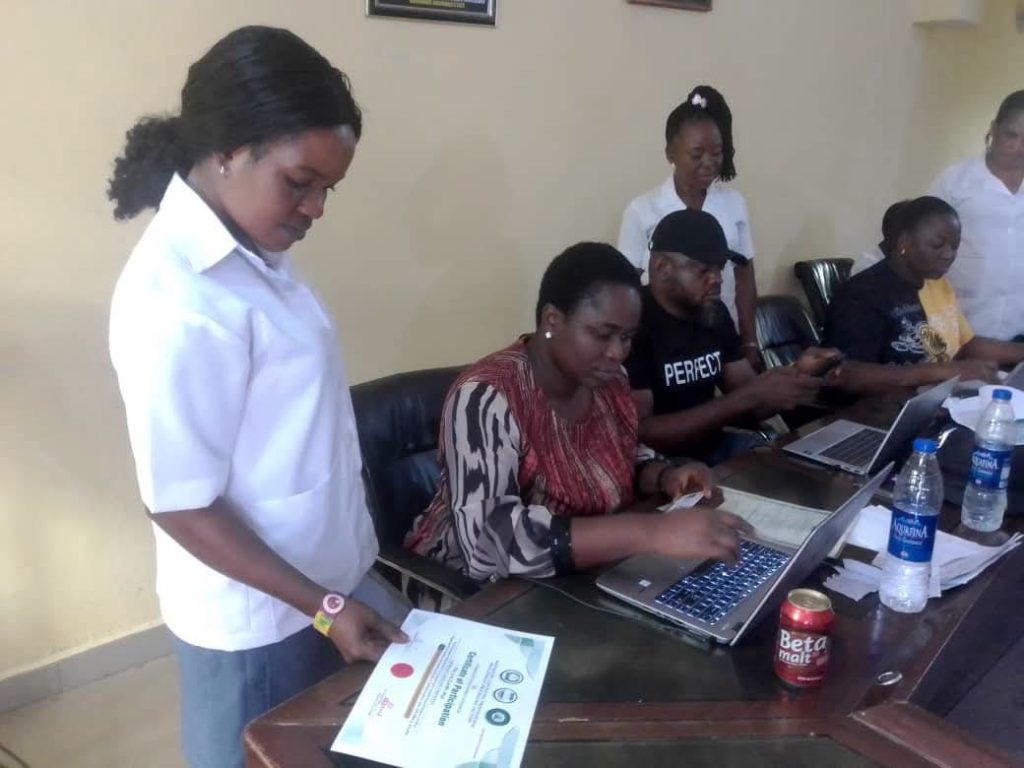
Upon receiving the verification team, the Director of Community Health Services of the Anambra State Primary Healthcare Development Agency and the Acting Executive Secretary of the agency, Dr Ngozi Okeke, stressed the importance of authenticating healthcare workers’ credentials.
Okeke assured that practitioners found guilty of certificate or licence forgery would face appropriate action from the Anambra State Government.
The State Chairperson of the Community Health Practitioners of Nigeria, Mrs Chinyere Edeh, described the exercise as a welcome development.
She commended Governor Chukwuma Soludo and the State Commissioner for Health, Dr Afam Obidike, for their efforts in ensuring Anambra’s participation in the verification programme.
The verification exercise is expected to improve accountability, strengthen healthcare delivery and ensure that only qualified professionals provide community health services in the state.