
A Muslim women’s group under the aegis of Women in Da’wah has urged politicians to regard leadership as a sacred trust as the country prepares for the next round of elections.
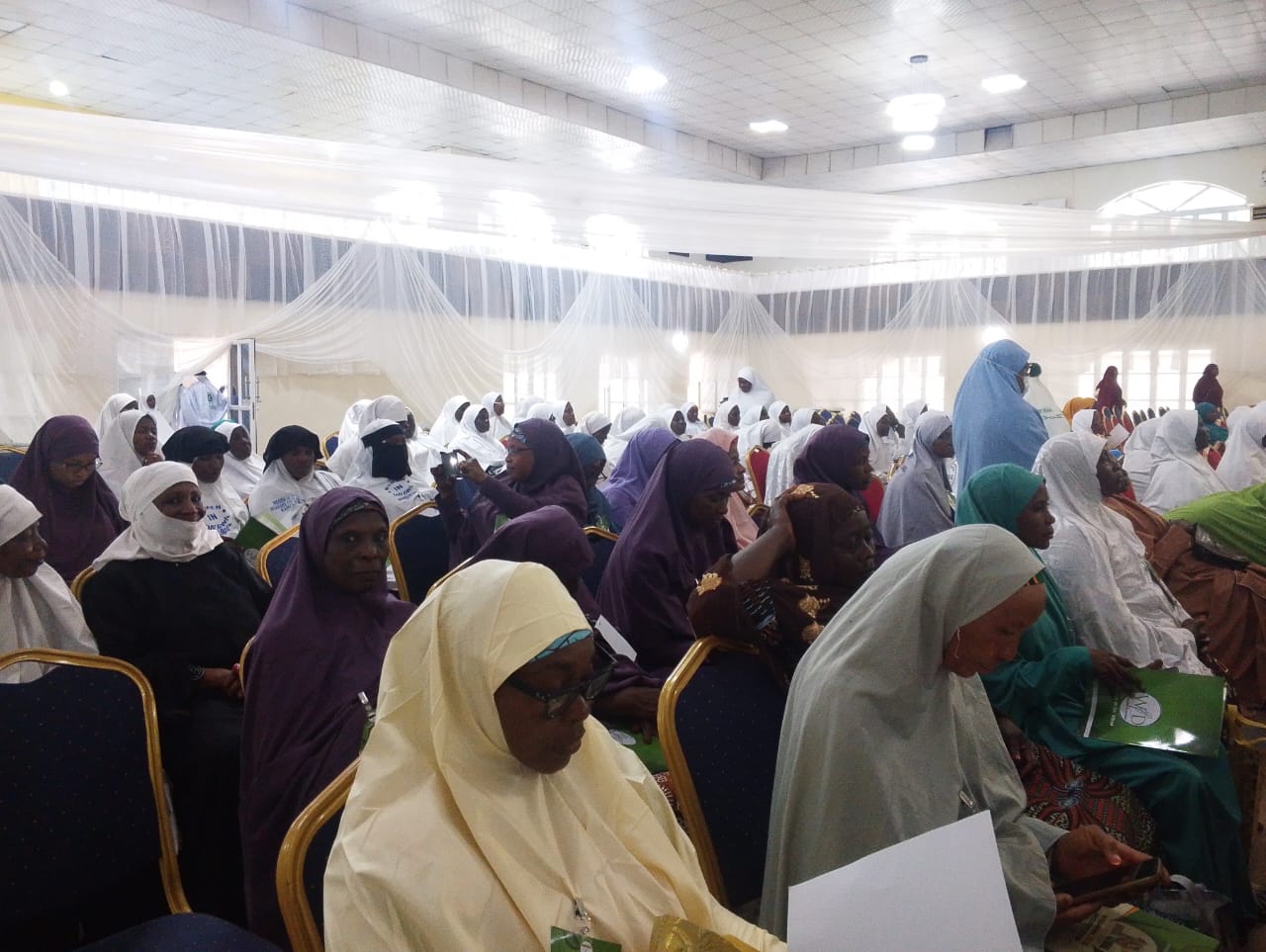
The National President of the group, Hajiya Maryam Idris Othman, made the call during the 19th Annual National Conference of Women in Da’wah, held at the Ta’al Conference Hall in Lafia, the Nasarawa State capital.
The conference brought together Muslim women leaders and Islamic scholars from across the country to discuss justice, politics and leadership in contemporary society.
Othman stressed the need to empower women through civic and political education to encourage responsible participation in the electoral process.
“Every year, we identify the most pressing issue of the moment and bring our women together to discuss it. This year, we are focusing on justice, politics and leadership. As elections approach, we believe this is the right time to educate our women on the importance of participating in politics and, more importantly, doing so in the right way,” she said.
The national president explained that discussions and resolutions reached at the conference would be replicated by delegates in their respective states and local government areas to broaden public awareness.
She also urged political aspirants, particularly Muslims, to be guided by the principles of the Qur’an and Sharia, stressing that leadership should be viewed as a responsibility rather than a privilege.
Also speaking, the organisation’s Deputy Secretary from Bauchi State, Malama Juwayriya Usman Suleiman, highlighted the crucial role of women in nation-building and societal transformation.
“Organising women to follow the right path in Islam will positively shape society. Whether it is leadership, raising children with honesty or building strong families, women have a vital role to play in every aspect of life. That is why we are here,” she said.
Presenting a paper titled “Reclaiming Leadership as Amanah (Trust): Reframing Authority as Responsibility in Islam,” a judicial officer from Kaduna State, Murtala Nasir, challenged the widespread perception that leadership is a pathway to wealth and privilege, insisting that genuine Islamic leadership is rooted in service.
“Our problems begin when we forget that leadership is about service. A leader is a servant of the people. We must reframe our understanding of leadership,” Nasir said.
He cited the example of Prophet Muhammad (SAW), whom he described as a leader who governed through personal example and was always among the first to respond during times of crisis in Medina.
Nasir further argued that public expectations often contribute to political corruption.
According to him, when citizens constantly demand personal financial assistance from elected officials for weddings, family needs and other private expenses, they create pressure that encourages politicians to view public office as an investment to be recovered through public funds.
He and other speakers emphasised that leadership development begins at home, urging delegates to return to their communities and model exemplary moral conduct while nurturing future generations on the values of integrity, accountability and service rooted in Islamic teachings.

