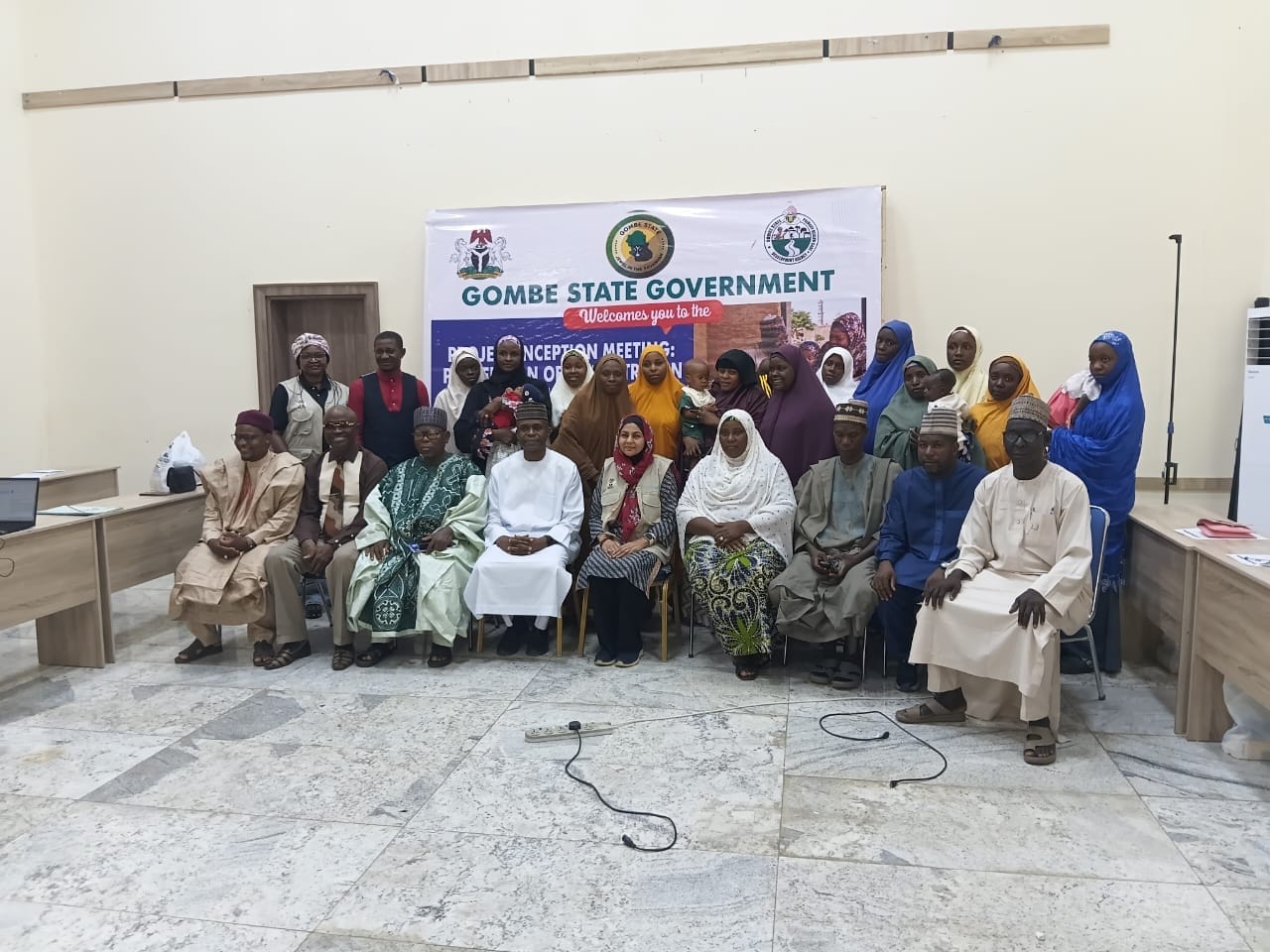
The United Nations Children’s Fund (UNICEF), in partnership with the Gombe State Government and the Church of Jesus Christ of Latter-day Saints, has launched a one-year project to scale up nutrition interventions across the 11 local government areas of Gombe State.
The initiative focuses on preventing malnutrition during the first 1,000 days of life, from conception to a child’s second birthday.
Unveiled at a stakeholders’ meeting in Gombe, the project aims to strengthen maternal and child nutrition services through improved planning, financing, co-ordination and accountability, while promoting healthier feeding practices for mothers and young children.
Speaking at the launch, the Chief of UNICEF’s Bauchi Field Office, Dr Nuzhat Rafique, described the project as a major milestone in efforts to ensure every mother and child in Gombe has the opportunity to survive and thrive.
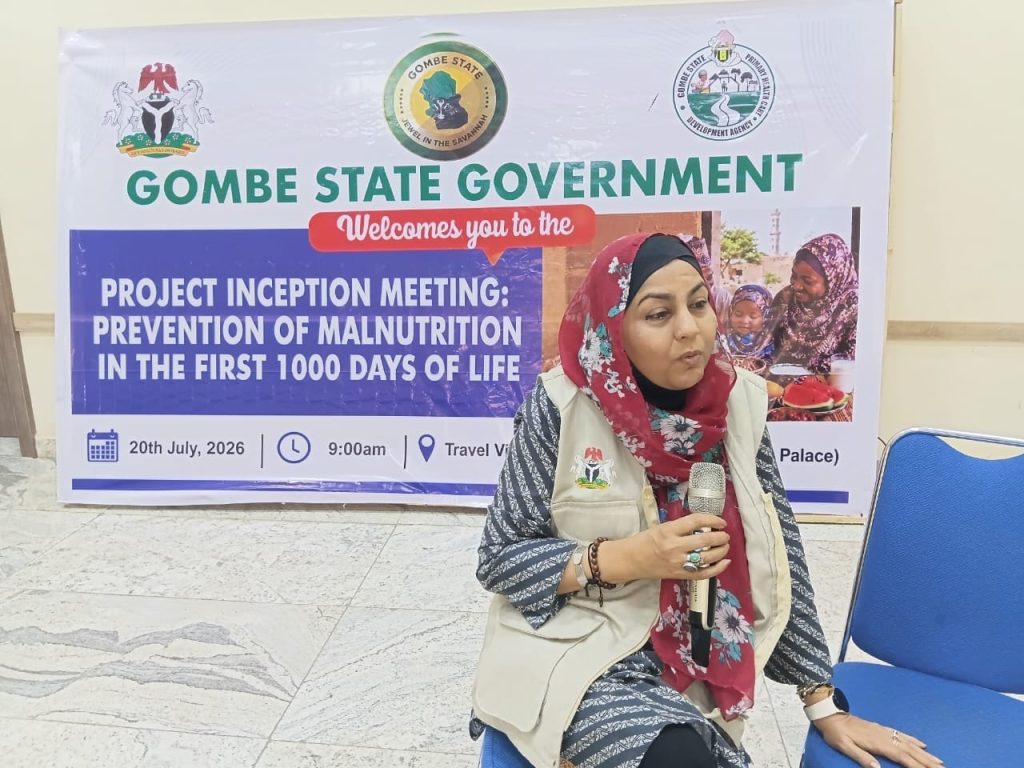
She said the first 1,000 days of life are the most critical period for brain development, physical growth, immunity and lifelong health, adding that investments made during this period yield some of the highest returns in human capital development.
According to her, the project will support the expansion of evidence-based nutrition programmes by strengthening planning, co-ordination, accountability and financing for nutrition interventions at both state and local government levels.
Dr Rafique said the initiative will also reinforce health, food and social protection systems to ensure pregnant women, nursing mothers and young children receive quality nutrition services throughout pregnancy and the first two years of life.
She added that the programme will improve maternal nutrition, increase exclusive breastfeeding rates, promote appropriate complementary feeding, prevent micronutrient deficiencies and strengthen community-based nutrition services.
The UNICEF official stressed that behaviour change will be central to the project, with sustained community engagement involving traditional rulers, religious leaders, civil society organisations and development partners to promote healthier maternal, infant and young child feeding practices.
She noted that the project aligns with the Federal Government’s Nutrition 774 Initiative (N-774), the Health Sector-Wide Approach (SWAp) and the National Food and Nutrition Policy.
Dr Rafique warned that malnutrition remains one of the leading underlying causes of child deaths globally and continues to threaten the wellbeing of children in Gombe State, citing findings from the 2023–2024 National Demographic and Health Survey.
She urged the state government and development partners to increase domestic financing, strengthen cross-sector collaboration, improve the use of quality data for planning and accountability, and mobilise communities to adopt optimal nutrition practices.
According to her, lasting progress will depend on strong political commitment and co-ordinated action across the health, agriculture, education, water, sanitation and social protection sectors.
Also speaking, the Executive Secretary of the Gombe State Primary Health Care Development Agency, Dr Abdulrahman Shu’aibu, welcomed the initiative, saying it would strengthen efforts to tackle maternal and child malnutrition through improved antenatal care, skilled birth attendance, exclusive breastfeeding and complementary feeding.
He said the agency would intensify awareness and sensitisation campaigns across communities to address the state’s alarming malnutrition figures.
Dr Shu’aibu called for sustained collaboration among government, development partners, private organisations and civil society organisations to tackle malnutrition comprehensively.