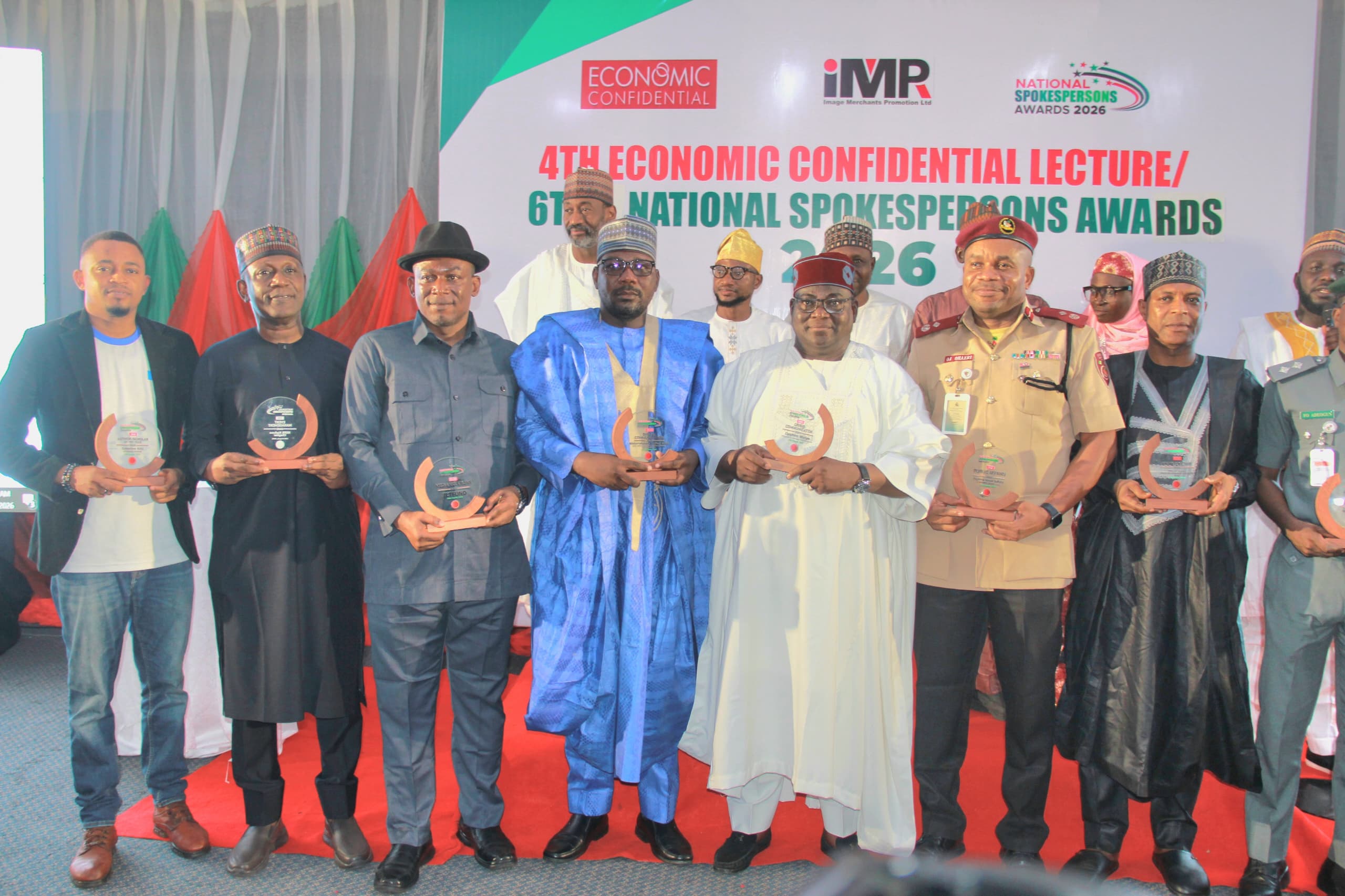
The Nigerian Government says sustained economic stability depends on stronger anti-corruption systems, transparent governance and effective communication with citizens.
Minister of Information and National Orientation, Mohammed Idris, made the assertion at the 4th Economic Confidential Lecture & 6th National Spokespersons Awards themed “Anti-Corruption Reforms, Economic Stability and Effective Communication” in Abuja.
Represented by the Director General of Voice of Nigeria, Mallam Jibrin Baba Ndace, the minister said the three issues were closely interconnected, arguing that economic stability would remain difficult to achieve where corruption weakened institutions, distorted public spending and undermined public confidence.

He said President Bola Tinubu’s administration recognised the connection and is implementing reforms under the Renewed Hope Agenda aimed at strengthening the economy, improving transparency and accountability, restoring investor confidence and ensuring greater value from public resources.
According to the Minister, the government’s anti-corruption strategy must extend beyond arrests and prosecutions to include reforms designed to prevent abuse within public institutions.
“The fight against corruption must go beyond arrests and prosecutions.” It must also focus on strengthening systems and institutions to prevent abuse,” the minister said.
He identified the increasing digitalisation of government processes, greater transparency in public financial management, improved procurement systems and the reduction of discretionary bottlenecks as important measures for strengthening accountability.
Mohammed Idris said, “The ultimate goal should be to create institutions where accountability is embedded in government systems rather than depending solely on individuals.”
He also stressed the importance of public communication in securing support for economic reforms, particularly measures that may impose short-term difficulties on citizens.
“Nigerians deserve to know what government is doing, why difficult decisions are necessary, and how those decisions will ultimately improve their lives.”
He rejected the idea of government communication as propaganda, saying, “Effective communication required timely and accurate information, acknowledgement of challenges, clear explanations of policy choices and evidence-based reporting of progress.
The minister further called for communication between government and citizens to be a two-way process, stressing that government must not only explain its policies but also listen to public concerns.
He urged the media to strengthen accountability, describing the media as an indispensable partner in the fight against corruption and the effort to build public confidence in economic reforms.
He said investigative journalism and responsible economic reporting could strengthen accountability and help citizens make informed decisions, stressing that the media and other stakeholders must resist misinformation, sensationalism and distortion of facts, particularly in what he called “an increasingly fast-moving digital information environment”.
Idris said responsibility for strengthening accountability does not rest with government alone but with every stakeholder in the business of building a viable Nigerian state.
In his words, “Ultimately, the responsibility is shared. Government must strengthen institutions and communicate transparently; anti-corruption agencies must discharge their responsibilities professionally; the media must hold power accountable while remaining faithful to facts; and citizens must continue to demand integrity in public life.
“When we strengthen accountability, we strengthen confidence; when we strengthen confidence, we strengthen economic stability, and when we communicate effectively, we build the public trust required to sustain reform,” he said.
The minister congratulated the “Economic Confidential” for convening the lecture, describing it as an important platform for national dialogue on governance, economic management and public communication.
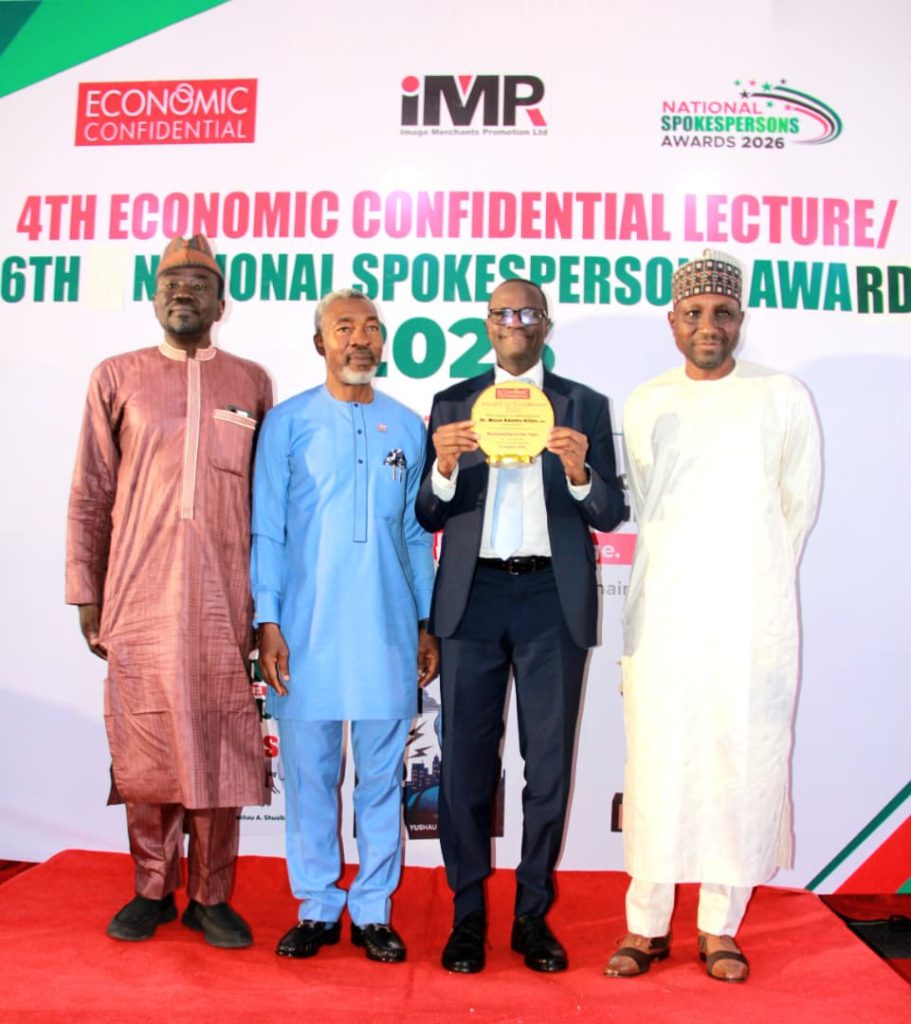
Keynote address speaker and Chairman of ICPC, Dr Musa Aliyu, said anti-corruption, economic stability and effective communication are not separate policy objectives but mutually reinforcing foundations upon which Nigeria’s future prosperity depends.
He stated that “ICPC remains fully committed to working with government institutions, the private sector, development partners, civil society, the media and all patriotic Nigerians to build a nation where transparency, accountability and integrity define public service and national development.”