


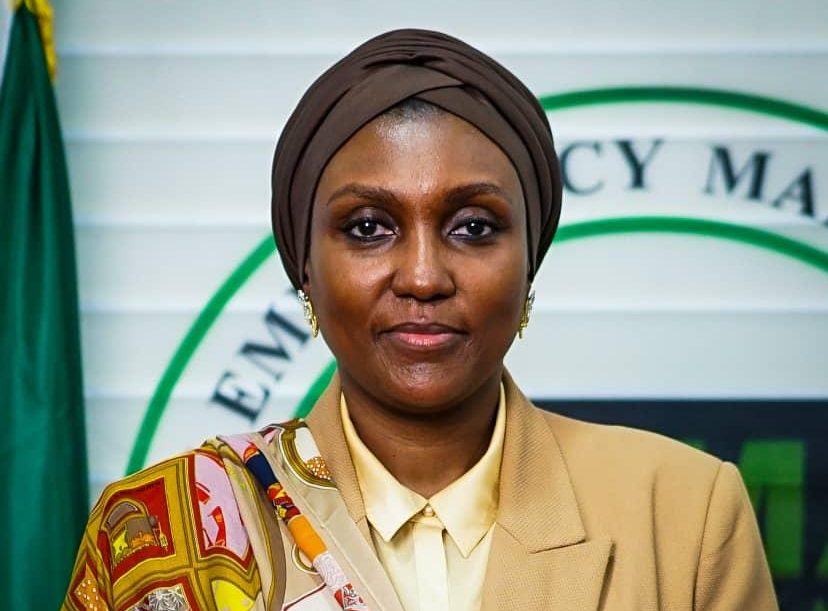
The National Emergency Management Agency (NEMA) has distributed food, non-food and livelihood support items to communities affected by the 2025 flood disaster in Kebbi State as part of the Nigerian Government’s efforts to support recovery and rebuild affected households.
The Director-General of NEMA, Hajiya Zubaida Umar, said the Nigerian Government remained committed to supporting Nigerians affected by natural disasters through sustained humanitarian assistance and recovery interventions.
Represented by the Director of Relief and Rehabilitation, Alhaji Abbani Imam Garki, Umar said the distribution was part of the Nigerian Government’s Presidential Post-Flood Intervention Programme, designed to provide immediate relief and support the recovery of affected households across the country.
She expressed sympathy and solidarity with Nigerians who suffered losses during the devastating 2025 floods, acknowledging the pain and hardship experienced by families who lost loved ones, homes, farmlands, businesses and other sources of livelihood.
According to the Director-General, the 2025 flood disaster had a significant humanitarian impact across the country, affecting 128 Local Government Areas across the 36 states of the Federation and the Federal Capital Territory.
READ ALSO: NEMA Sustains Humanitarian Response in Borno, Yobe
The disaster claimed 241 lives, affected 459,995 persons, displaced 158,588 people and destroyed 96,649 farmlands, alongside small businesses, infrastructure and other livelihood assets.
Umar noted that the figures represented more than statistics, as behind every number was a family or community whose livelihood and means of survival had been disrupted.
She explained that the Nigerian Government, in line with President Bola Ahmed Tinubu’s Renewed Hope Agenda, had approved the distribution of food, non-food and livelihood support items to facilitate recovery and strengthen community resilience against future disasters.
The intervention, she said, was a nationwide programme covering all 36 states of the Federation and the Federal Capital Territory.
Umar further noted that President Tinubu had prioritised disaster risk reduction and humanitarian management, recognising the devastating effects of climate change and seasonal flooding on communities, households and critical infrastructure.
She described the Presidential Post-Flood Intervention as a demonstration of the Nigerian Government’s commitment to ensuring that Nigerians affected by disasters received the necessary assistance to rebuild their lives.
The distribution exercise was designed to provide immediate relief and targeted recovery support to flood-affected communities in Kebbi State, with particular attention to vulnerable households, including female-headed families and persons living with disabilities.
The NEMA Director-General disclosed that the agency’s Operations Officers and a team from its headquarters were working in collaboration with the State Emergency Management Agency, relevant ministries, departments and agencies, local government authorities and security agencies to ensure that the distribution was conducted with transparency, accountability, fairness and equity.
She emphasised that emergency relief was only one step towards recovery, noting that the ultimate objective was not merely to restore affected communities to their pre-disaster conditions but also to build back better through sustainable resilience initiatives.
Umar called for collective responsibility in disaster management, stressing the need for sustained cooperation among federal, state and local authorities, civil society organisations and members of the public.
She also urged community leaders and beneficiaries to cooperate with officials handling the distribution to ensure a smooth, transparent and orderly exercise.
The NEMA Director-General expressed appreciation to President Tinubu for his continued commitment to humanitarian assistance and disaster resilience.
She reaffirmed the agency’s commitment to supporting affected communities, restoring livelihoods and building a safer and more disaster-resilient Nigeria.

