China and Nigeria have called for stronger people-to-people relations and greater cooperation in tourism and the creative economy, as they celebrate their shared cultural heritage through food, music and the arts at the 2026 China-Nigeria Food Festival.
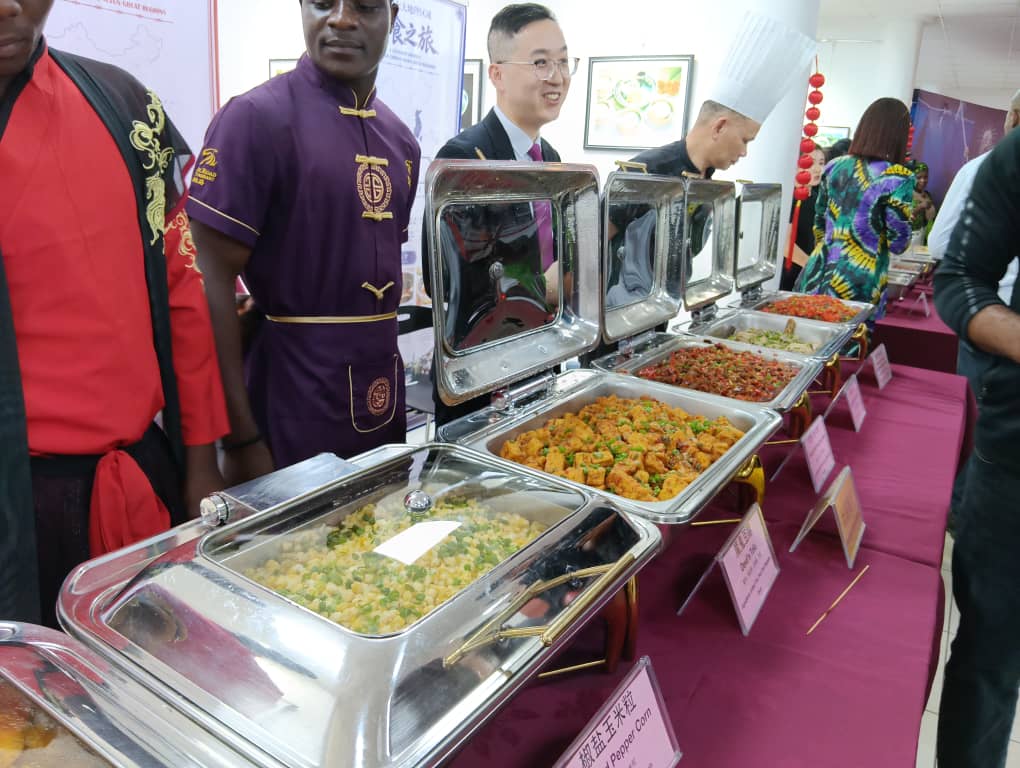
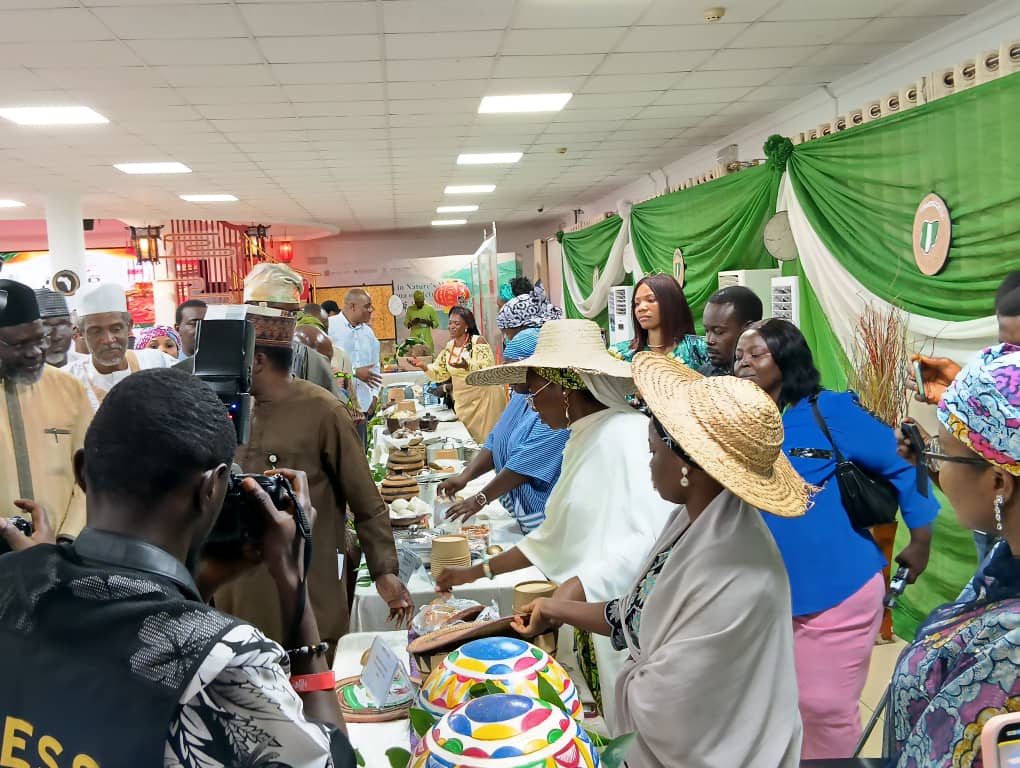
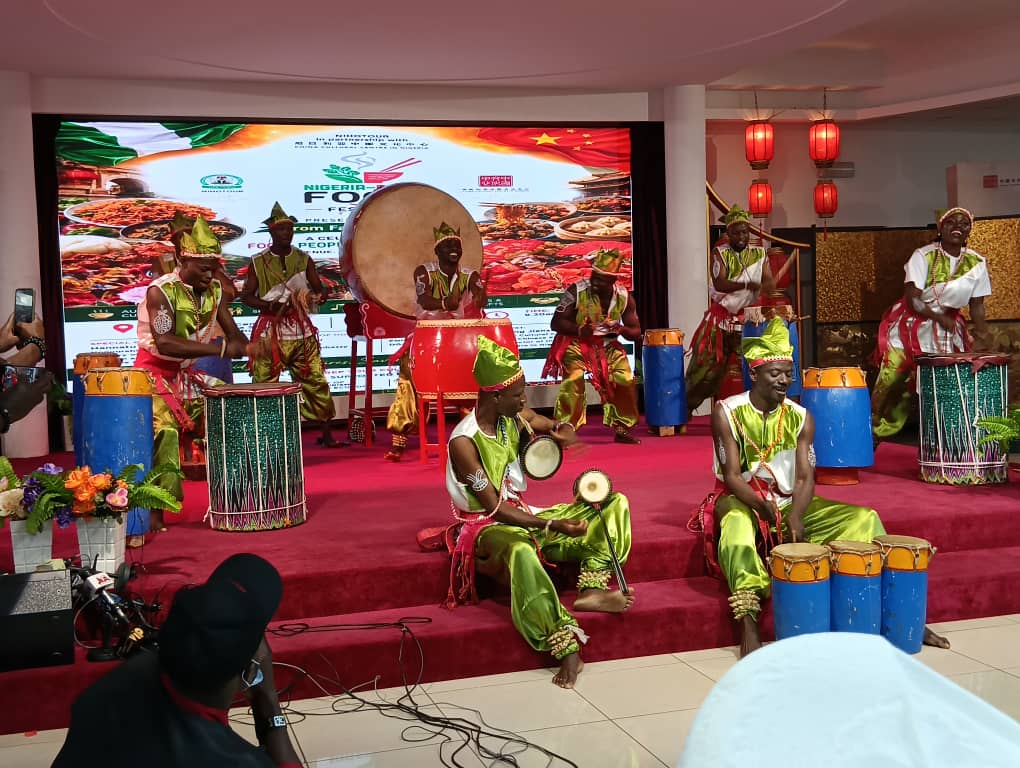
The festival, held in Abuja, Nigeria’s capital, featured Chinese and Nigerian cuisines, cultural performances, food exhibitions and other activities designed to showcase the similarities and diversity of both countries.
Speaking at the event, the Chargé d’Affaires ad interim of the Chinese Embassy in Nigeria, Mr Zhou Hongyou, said food was an important avenue for promoting cultural understanding between the two countries.
“Food is at the heart of our daily life. Every dish carries a nation’s history, and every flavour tells the story of people’s love for their home and their lives,” Zhou said.
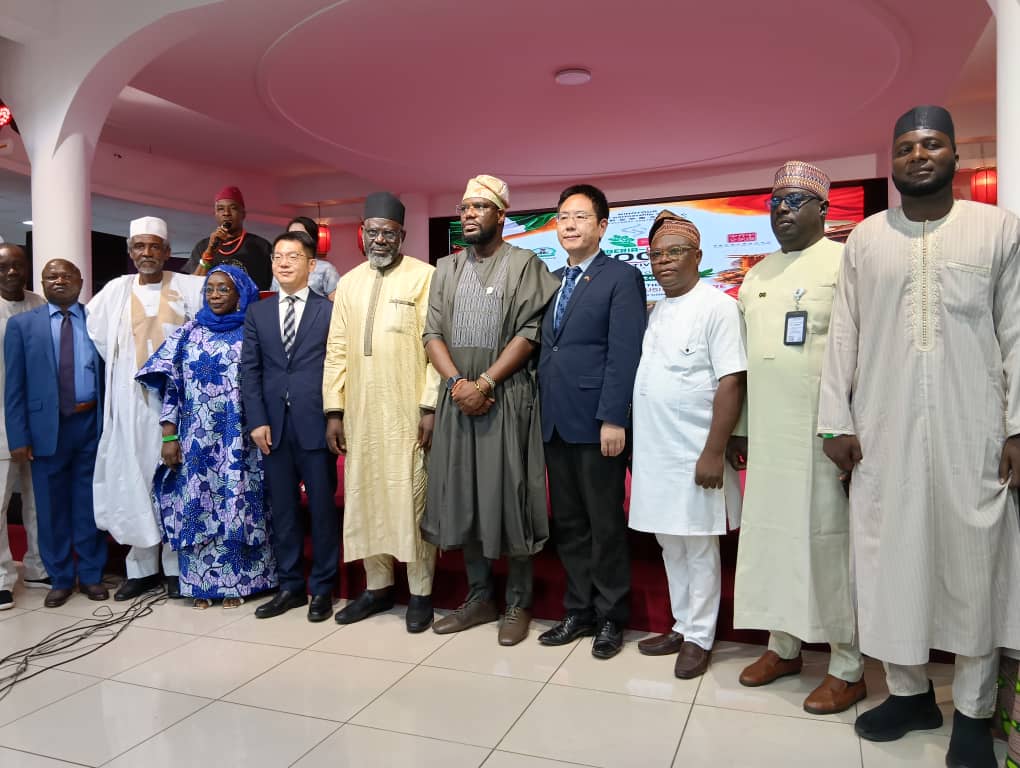
He described the festival as more than a culinary celebration, but a conversation and a meeting of cultures.
According to him, 14 dishes from seven regions of China were presented at the festival, alongside 12 Nigerian dishes representing the country’s six geopolitical zones.
READ ALSO:Nigeria Unveils Agritourism Village to Boost Economy, Food Security
Zhou said the programme also included cultural performances, a photo exhibition on food traditions, a “bush bar” and an area where participants could experience the culture of grilled skewers.
He noted that the event was taking place as Nigeria and China commemorate 55 years of diplomatic relations.
“For more than 50 years, our two countries have always respected and supported each other, and we have continued to deepen our mutually beneficial cooperation,” he said.
The Chinese envoy also highlighted the growth in bilateral trade, noting that China imported about $2.3 billion worth of goods from Nigeria in the first half of 2026, representing an 80 per cent increase compared with the same period in 2025.
He added that total trade between the two countries reached $18 billion, representing a 35 per cent year-on-year increase.
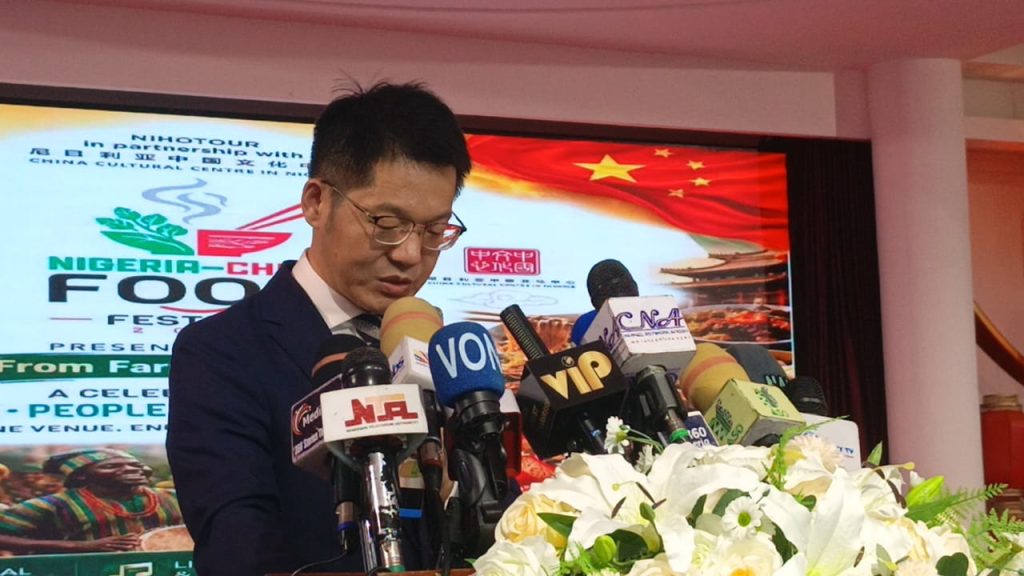
Zhou further said China’s zero-tariff policy for African countries with diplomatic relations with Beijing offered Nigeria an opportunity to increase its exports to the Chinese market.
“We hope to reach an agreement on the ‘early harvest’ arrangements for this policy as soon as possible, so that both our peoples can benefit more,” he said.
Also speaking , the Minister of Art, Culture, Tourism and the Creative Economy, Hannatu Musawa, represented by the ministry’s Permanent Secretary, Mr Ozi, said food was not only essential for human survival but also a powerful vehicle for preserving culture and creating economic opportunities.
“Food does not merely nourish the body. It tells stories, preserves heritage, creates livelihood, and brings people together,” he said.
According to the Minister, Nigeria-China relations had expanded significantly since the establishment of diplomatic ties in 1971, covering areas including trade, infrastructure, education, technology, culture and people-to-people exchanges.
She stressed that, Nigerian music, food and literature were gaining audiences in China, while Chinese language, arts and martial arts were becoming increasingly popular in Nigeria.
He said gastronomy was also critical to Nigeria’s tourism ambitions.
“Gastronomy is tourism,” he said, adding that food and beverages had been identified as the largest sub-sector of Nigeria’s tourism economy.
The Minister reiterated the Nigerian Government’s commitment to promoting Nigerian cuisine as part of the country’s tourism identity and global cultural brand. Urging Nigeria and China to use the festival to explore greater cooperation in gastronomy, tourism, hospitality, culinary education and creative entrepreneurship.
Sharing Cultural Identity
For his part, the Director-General of the National Institute for Hospitality and Tourism, (NIHOTOUR) Aare Abisoye Fagade, said food remained one of the most effective ways of connecting people and sharing cultural identity.
“Today’s celebration is about food, but it is also about culture, friendship and opportunity. Food is one of the most powerful ways people share their stories,” he said.
He said the festival’s theme, “From Farm to Feast,” captured the journey from farmers and producers to chefs and consumers, as well as the transformation of cultural heritage into economic opportunities.
Fagade said Nigeria possessed an extensive culinary heritage, including jollof rice, pounded yam, indigenous soups, spices, grains, seafood and other delicacies.
“Our task is to package, standardise, promote and commercialise this heritage while preserving its authenticity. Let us use food to build bridges, culture to deepen friendship, and tourism to create opportunities for our people”, he said.
He further called for sustained partnerships between Nigerian and Chinese institutions to promote culinary exchange, hospitality skills and tourism development.
According to the Director-General of the National Troupe of Nigeria, Katsume Bulama, music and dance are powerful tools for overcoming linguistic and cultural barriers.
She stressed that the collaboration between Nigerian and Chinese performers represented a magnificent celebration of shared heritage and mutual respect.
“Music transcends language and rhythm speaks directly to the soul. It is hope that this festival would inspire harmony, deepen the longstanding friendship between Nigeria and China and create stronger cultural bridges between the two nations”, she said.
As the two countries mark 55 years of diplomatic relations, speakers at the event stressed that cultural diplomacy, tourism and people-to-people exchanges could complement existing economic and political cooperation.
The festival which featured musical and dance performances, arts and crafts, culinary displays and other cultural activities, was designed to go beyond the celebration of food by creating opportunities for knowledge exchange, business partnerships and stronger cultural ties between Nigerians and Chinese.