The Peoples Republic of China has identified skills development, digital innovation, destination management, cultural preservation and investment, as key areas critical to unlocking tourism’s contribution to national development.
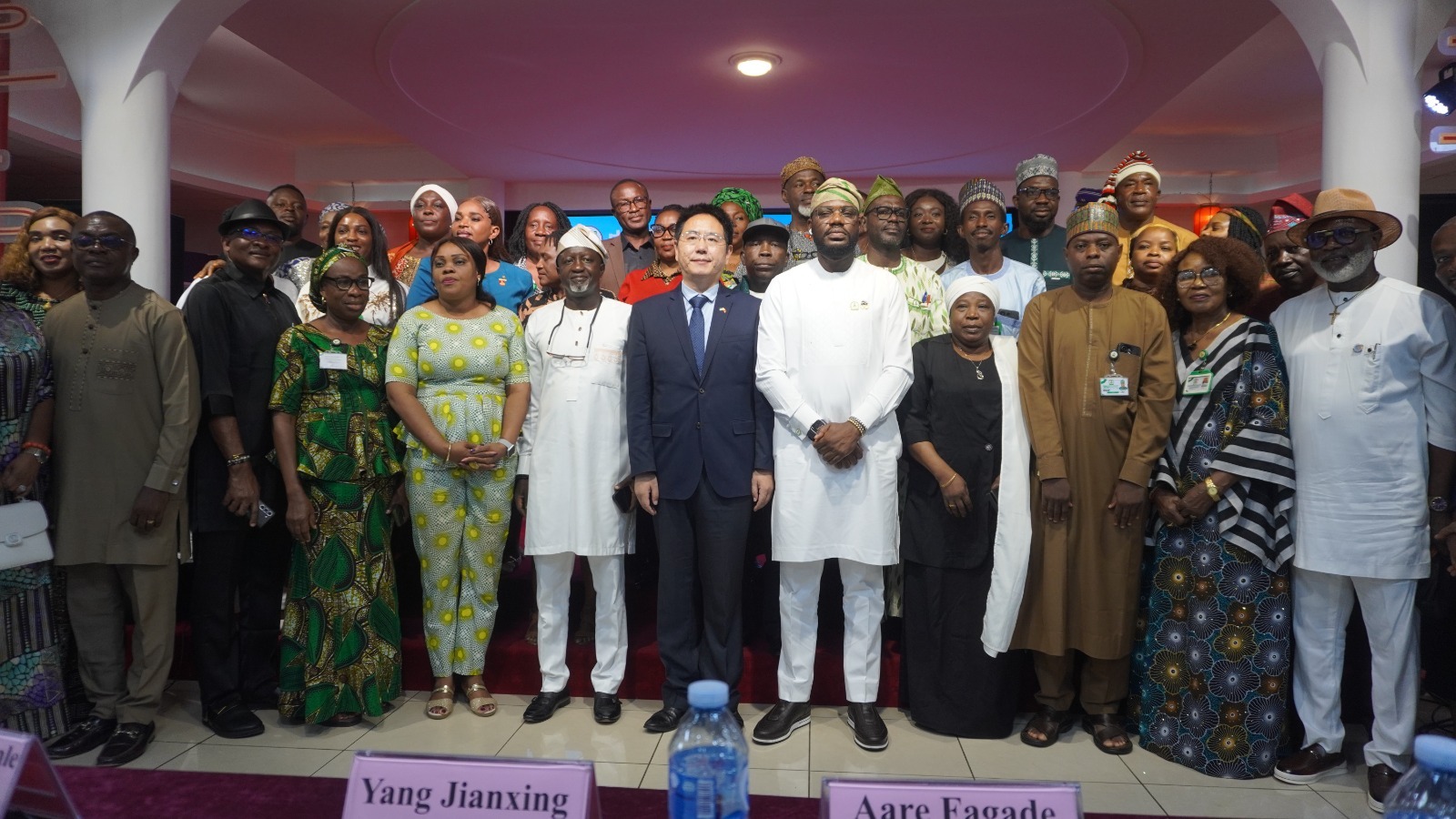
The Cultural Counsellor, Chinese Embassy in Nigeria and Director of the China Cultural Centre , Yang Jianxing, made this known in Abuja, Nigeria’s capital, at the seminar on China’s Tourism Development Experience.
The seminar brought together stakeholders from Nigeria and China to examine how experiences from China’s tourism development could support Nigeria’s efforts to build a more competitive, professional and sustainable tourism sector.
The Cultural Counsellor also said tourism had become an important platform for strengthening relations, promoting economic opportunities and deepening understanding between nations and people
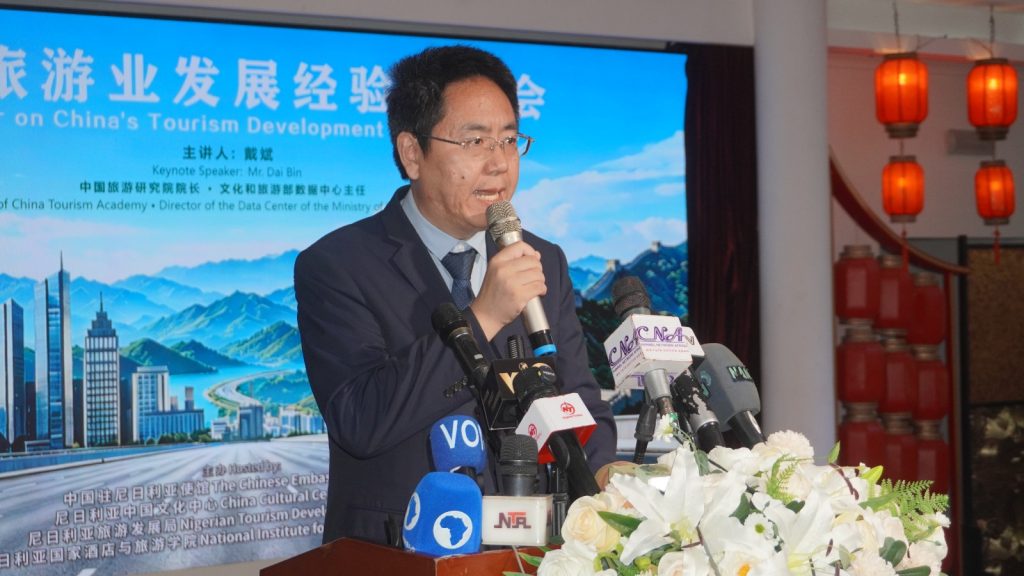
“Tourism serves as a vital bridge connecting people, nations, and civilisations. The emphasis on skills development comes against the backdrop of growing recognition that a successful tourism industry depends not only on attractive destinations but also on a professionally trained workforce capable of delivering international-standard services”, Yang said.
READ ALSO: Food Festival: Nigeria, China Deepen Cultural Ties through Cuisine
According to him, Nigeria and China shared long histories, diverse cultures and abundant tourism resources, making tourism cooperation an important area for strengthening bilateral relations.
“China has accumulated extensive experience in public tourism services, destination development, the integration of culture and tourism, smart tourism, market promotion and talent development, these experiences could provide useful lessons for Nigeria”, he said
However, he stressed that the partnership between the two nations should be based on mutual learning.
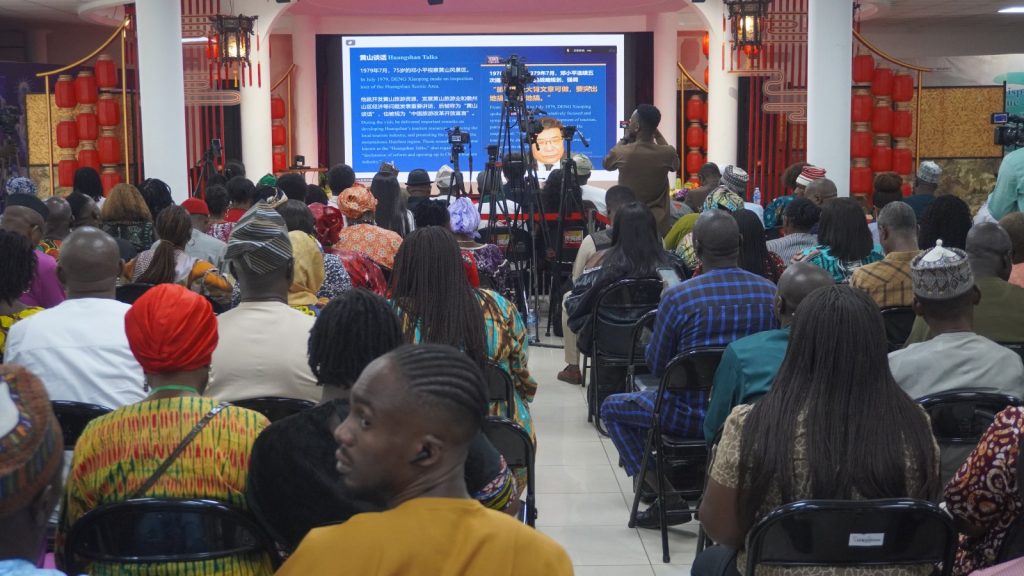
“We also sincerely hope that today’s event will not be merely a one-way presentation of ‘Chinese experience,’ but rather a genuine two-way exchange.
There is considerable scope for Nigeria and China to deepen cooperation in tourism talent development, vocational education, hotel management, eco-tourism, cultural heritage preservation, tourism digitalisation, destination marketing and business partnerships”, he said.
In his keynote address, the President of the China Tourism Academy and Director of the Data Centre of the Ministry of Culture and Tourism of China, Dai Bin, provided Nigerian stakeholders insights into the development of China’s tourism industry.
The Director-General and Chief Executive Officer, National Institute for Hospitality and Tourism (NIHOTOUR), Dr. Abisoye Fagade, said Nigeria possessed the tourism resources needed to build a strong industry but required stronger systems and institutions to convert those resources into sustainable economic value.
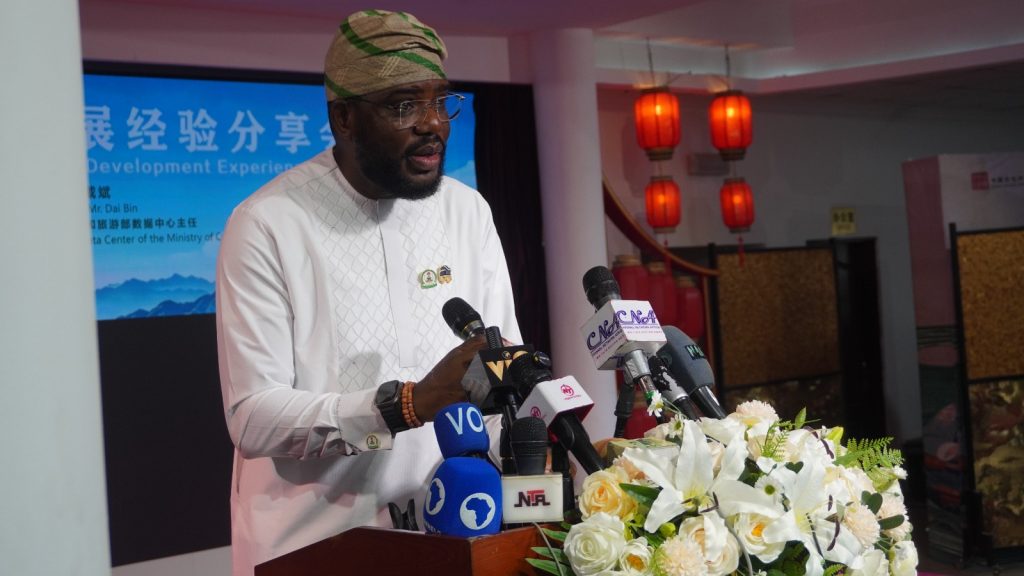
Dr. Fagade, who recently participated in a tourism development programme in Beijing, said China’s experience demonstrated how tourism could be deliberately deployed to support economic development, cultural preservation, rural revitalisation, skills development and community prosperity.
“The experience reinforced a conviction I have long held: Nigeria does not lack tourism assets. What we must strengthen is the system that converts those assets into sustainable economic value,” he said.
He stressed that the implementation of the NIHOTOUR Act would provide an important institutional foundation for improving professionalism, skills development and standards across Nigeria’s hospitality and tourism industry.
“Our responsibility at NIHOTOUR is therefore not simply to train people. It is to help build the skilled workforce, professional culture and institutional capacity required to make tourism a serious contributor to the Nigerian economy,” Fagade said.
He called for increased collaboration with Chinese tourism institutions in professional training, curriculum development, tourism research, digital transformation, rural and cultural tourism, destination management and knowledge exchange.
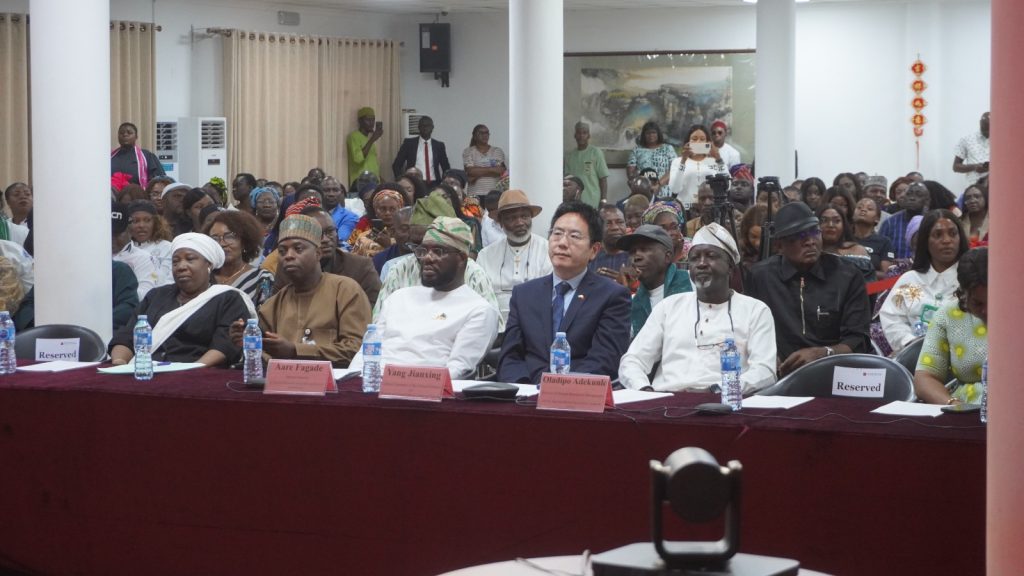
“Nigeria has the culture. Nigeria has the people. Nigeria has the destinations. What we now need is the capacity, coordination and commitment to turn these assets into prosperity”, he said
Fagade, however stressed on the need for Nigeria to develop a tourism model that reflects its own cultural, economic and social realities rather than simply reproducing China’s approach.
“China’s experience should not be copied mechanically. We should learn from what China has done, adapt the lessons to Nigeria’s realities, and build a uniquely Nigerian tourism model,” he added
Fagade said stronger Nigeria-China tourism cooperation could ultimately translate into practical benefits for Nigerians through skills, investment, employment and institutional development.
“Today’s seminar is therefore more than a conversation about China’s tourism experience. It is an opportunity to deepen the friendship between Nigeria and China and, more importantly, to translate that friendship into skills, investment, jobs, stronger institutions and sustainable tourism development,” he said.
Representing the Director-General, Nigerian Tourism Development Authority (NTDA), Dr Olayiwola Nurudeen Awakan, the Director of Human Resources Management, Mr Oladipo Adekunle, said China’s transformation into one of the world’s leading tourism destinations offered valuable lessons for Nigeria.
Awakan identified strategic tourism planning, infrastructure development, investment, destination branding, digital innovation, human-capital development and effective public-private sector collaboration as important components of China’s tourism development experience.
“As Nigeria seeks to unlock the full potential of tourism as a driver of economic diversification, cultural diplomacy and sustainable development, there is much we can learn from China’s experience while adapting relevant approaches to our own unique cultural, natural and socio-economic context,” he said.
He added that NTDA viewed the seminar as an opportunity to identify practical areas of cooperation, including tourism investment, capacity building, destination development, cultural exchanges, research, innovation and increased tourist flows between Nigeria and China.
For Nigeria, stronger investment partnerships with China could complement domestic efforts to develop tourism infrastructure while creating opportunities for businesses, professionals and young people.
The seminar is expected to strengthen engagement between Nigerian and Chinese tourism institutions, research bodies, businesses and young professionals, while providing a platform for identifying practical areas of cooperation that can contribute to tourism growth and broader national development.