The Nigerian government has directed stakeholders and relevant agencies to design a comprehensive operational roadmap for the nationwide rollout of the 112 national emergency number.
Accordingly, it has constituted a committee comprising the Nigeria Police Force (NPF), the Nigerian Communications Commission (NCC), the National Emergency Management Agency (NEMA), the Federal Road Safety Corps (FRSC), and other relevant agencies to finalise the roadmap and standard operating procedures for formal endorsement of the National Economic Council (NEC).
NEC had recently approved the 112 as Nigeria’s single universal toll-free emergency number to replace fragmented and slow response lines, with a view to eliminating bureaucratic red tape and allow citizens easy access to rapid help during fires, accidents, medical crises, or security breaches.
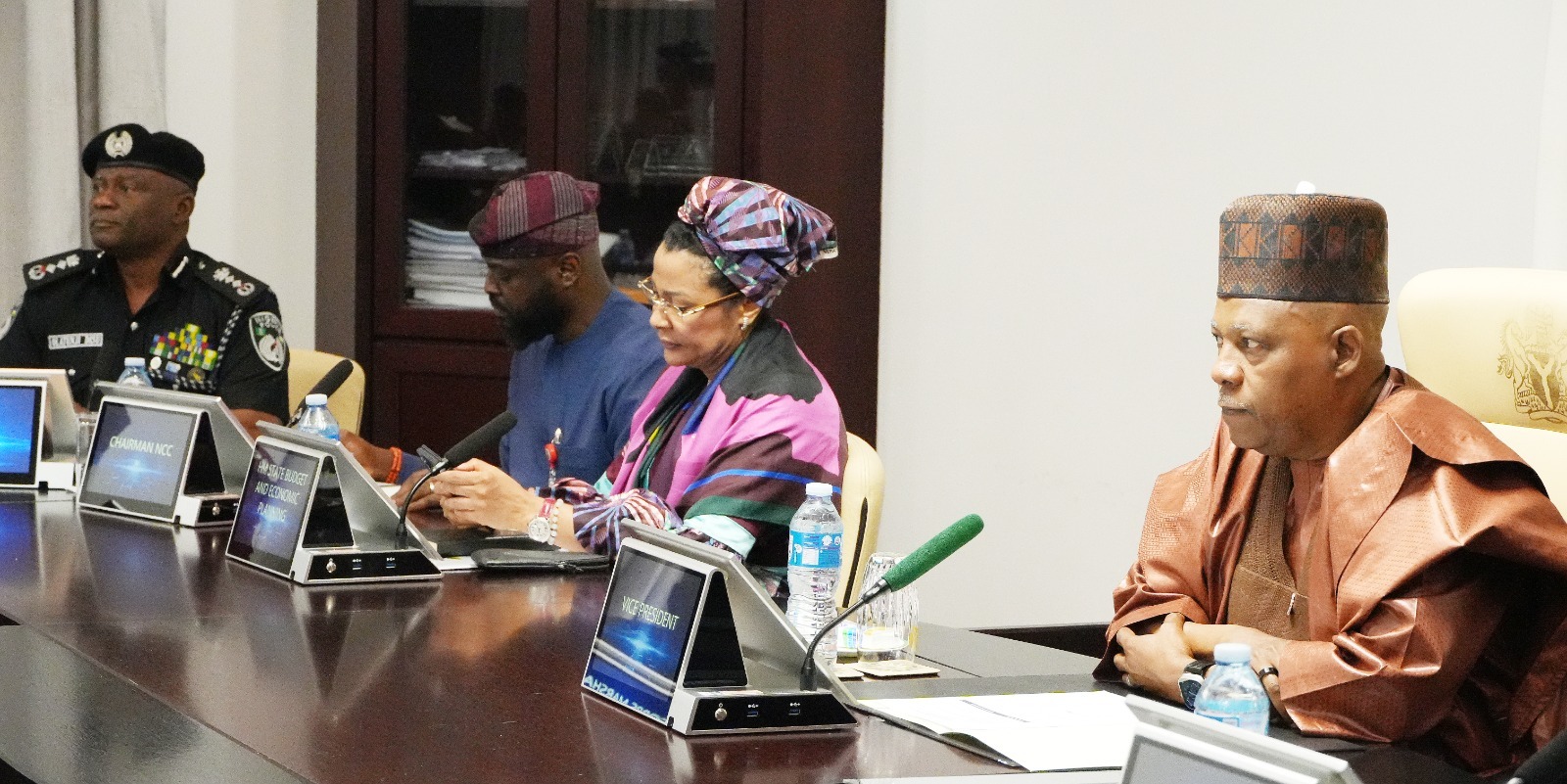
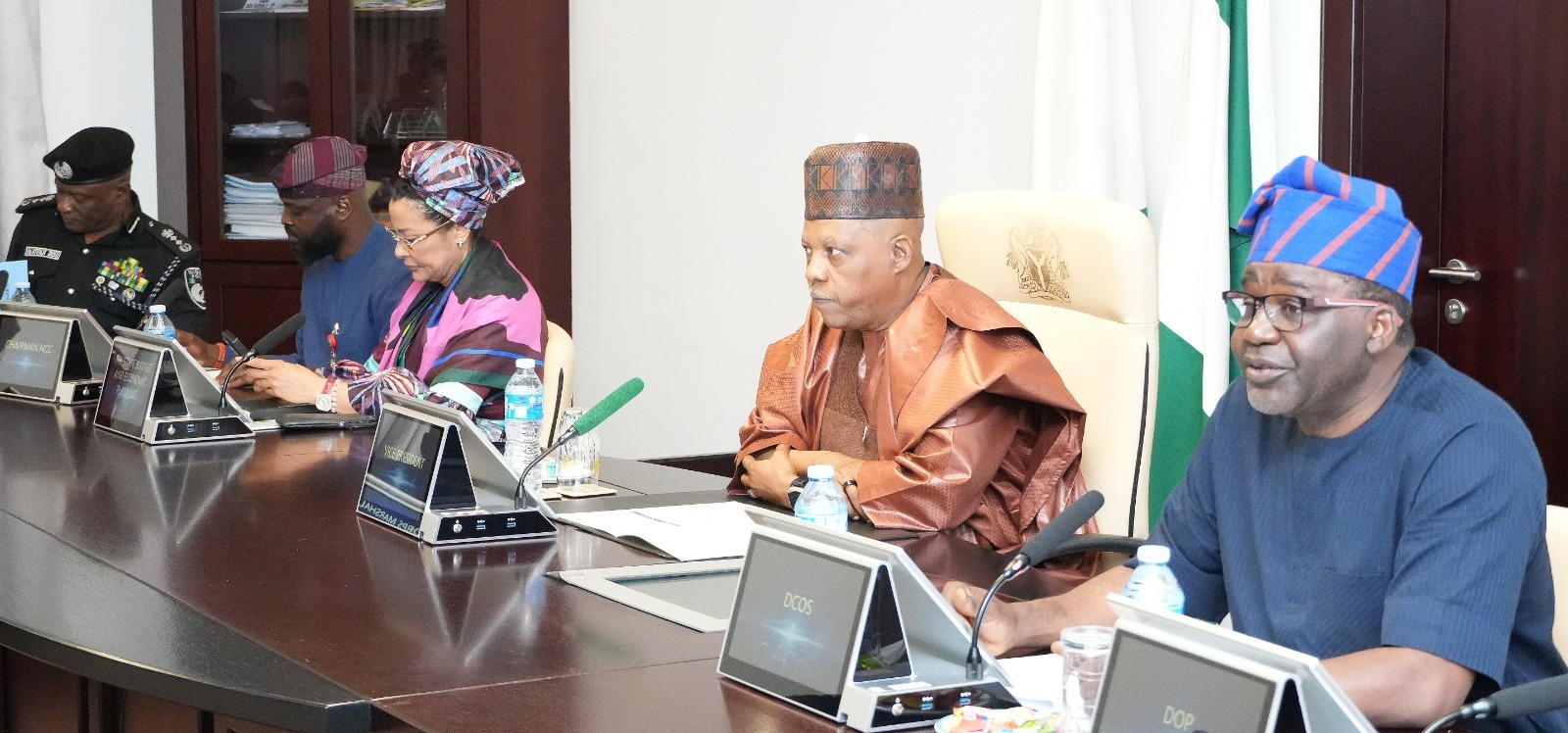
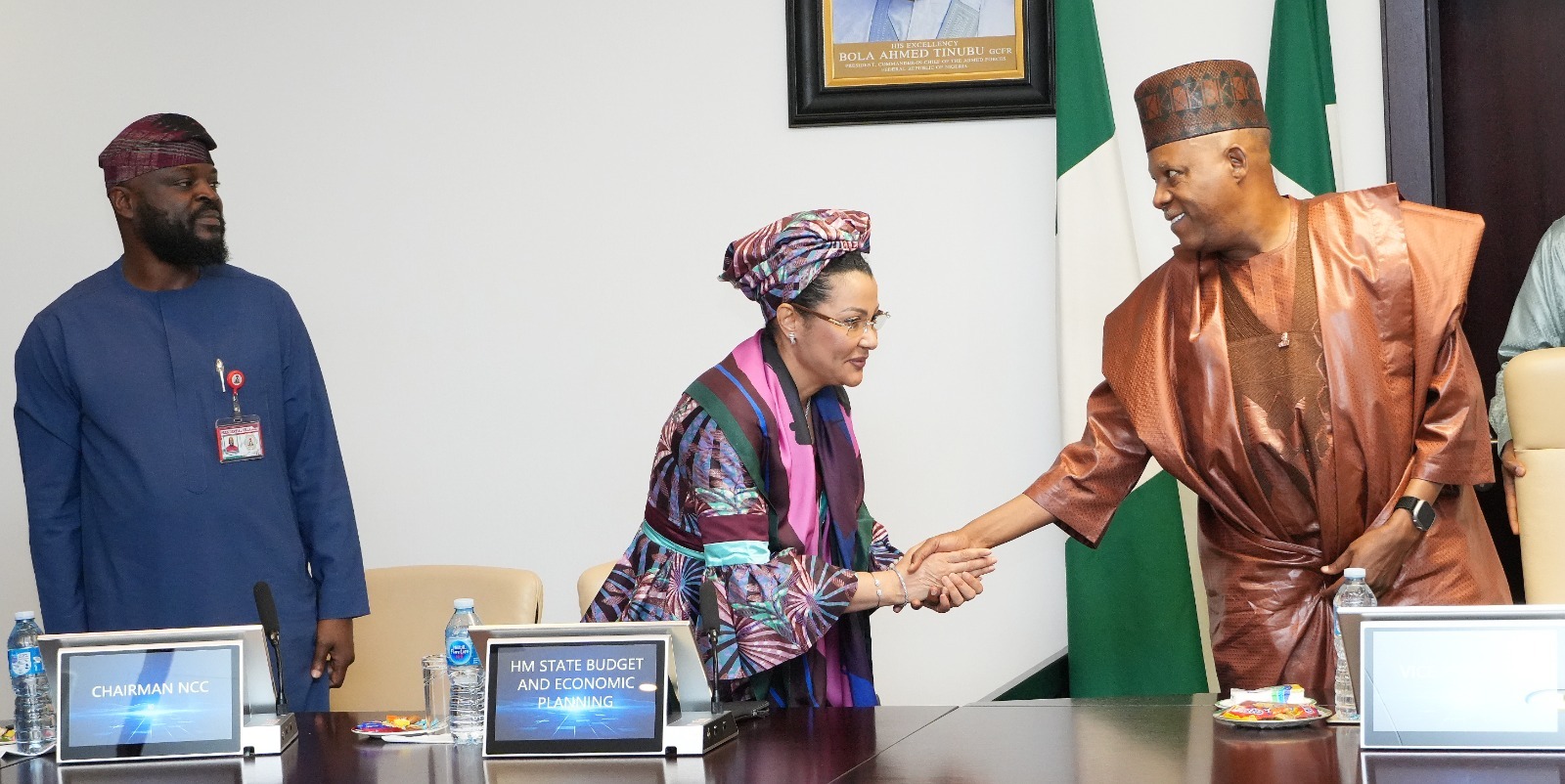
Speaking on Tuesday in Abuja during the National Emergency Number 112 Project stakeholders meeting, Vice President Kashim Shettima who gave the directive, urged the committee to “ensure their decisions are based on global best practices, to have a clear roadmap.”
Charge
Urging the committee to finalise the roadmap and standard operating procedures for formal endorsement by the NEC, Vice President Shettima stressed the need to make significant progress, promising that resources would be made available to fund the process once the initiative becomes operational.
“Let’s make progress so that whatever time we have spent here is worth spending. And most importantly, the engine is finance. It is resources to drive the process. And I want to assure you that we will get the resources,” he stated.
The Inspector General of Police (IGP), Olatunji Disu, said the Nigeria Police Force was fully in support of the adoption of 112 as Nigeria’s unified national emergency number.
From an operational perspective, he noted that it is “a significant step towards ensuring that citizens have a simple and reliable means of accessing emergency assistance.”
Disu explained that for a citizen facing an armed attack, accident, fire outbreak, medical emergency, kidnapping or any other life-threatening situation, the first challenge is often determining which agency to call. He said a single emergency number should provide access to the appropriate response.
Goal
In her presentation, the Personal Assistant to the President on e-Governance, Mrs. Lydia Aina, said that “emergency response in Nigeria runs across many agencies, systems, and jurisdictions, creating fragmentation in how emergencies are received, coordinated, and responded to.”
The goal, she said, is to move from the fragmented states through coordinated response to a fully integrated national framework.
She also explained that the meeting was about the system behind the process, including the people, the agencies, the standards that make the number actually work when citizens dial it.
“Our job now is to turn it into an actual working programme with milestones. So, we have identified six immediate priorities. First, governance. We need a clear structure of who’s responsible for what,” she added.
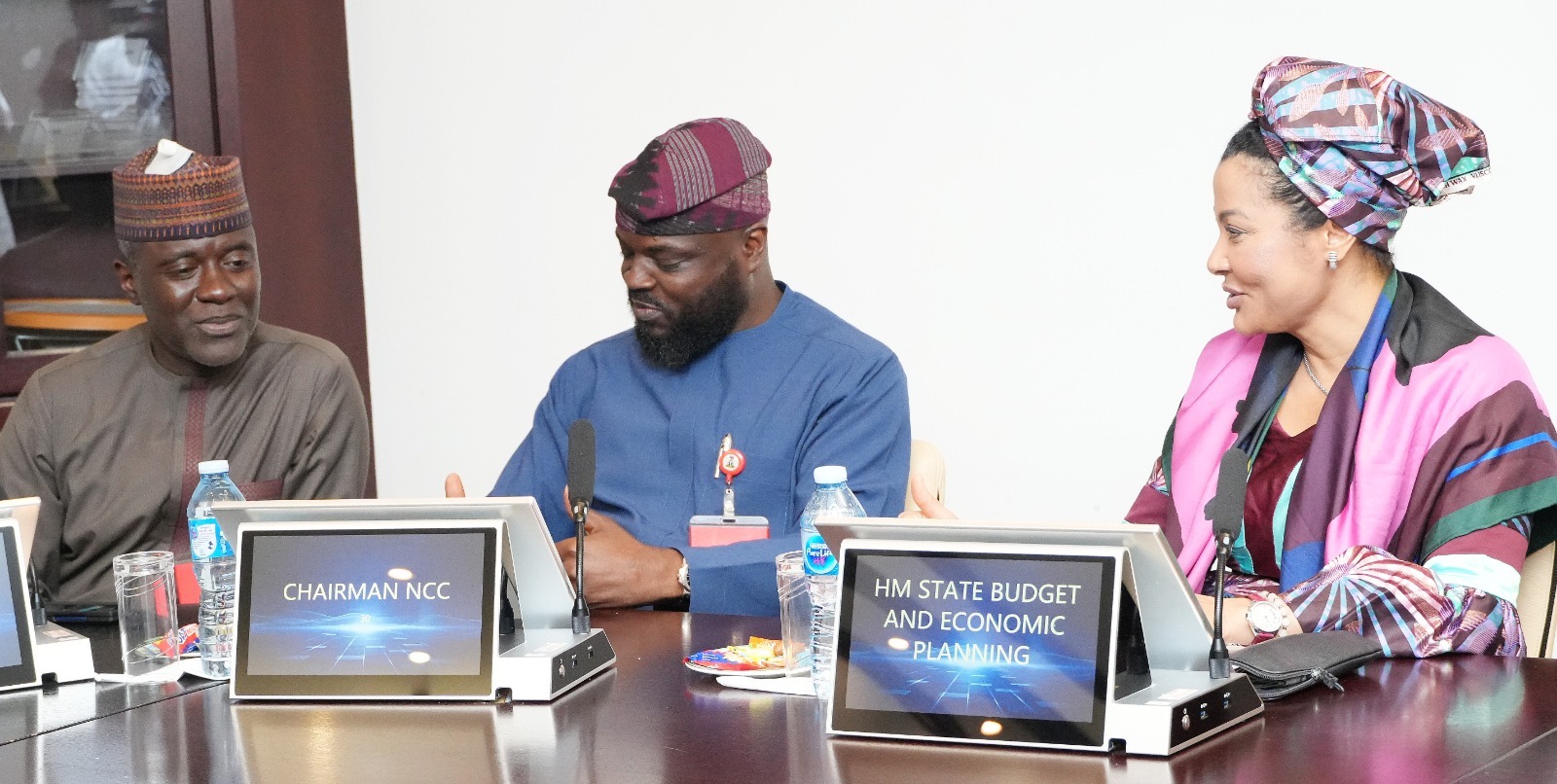
Other stakeholders who pledged the full support of their agencies at the meeting included the Director-General of NEMA, Mrs. Zubaida Umar; Corps Marshal of FRSC, Shehu Mohammed, and Director-General of the National Orientation Agency (NOA), Mallam Lanre Issa-Onilu, among others.