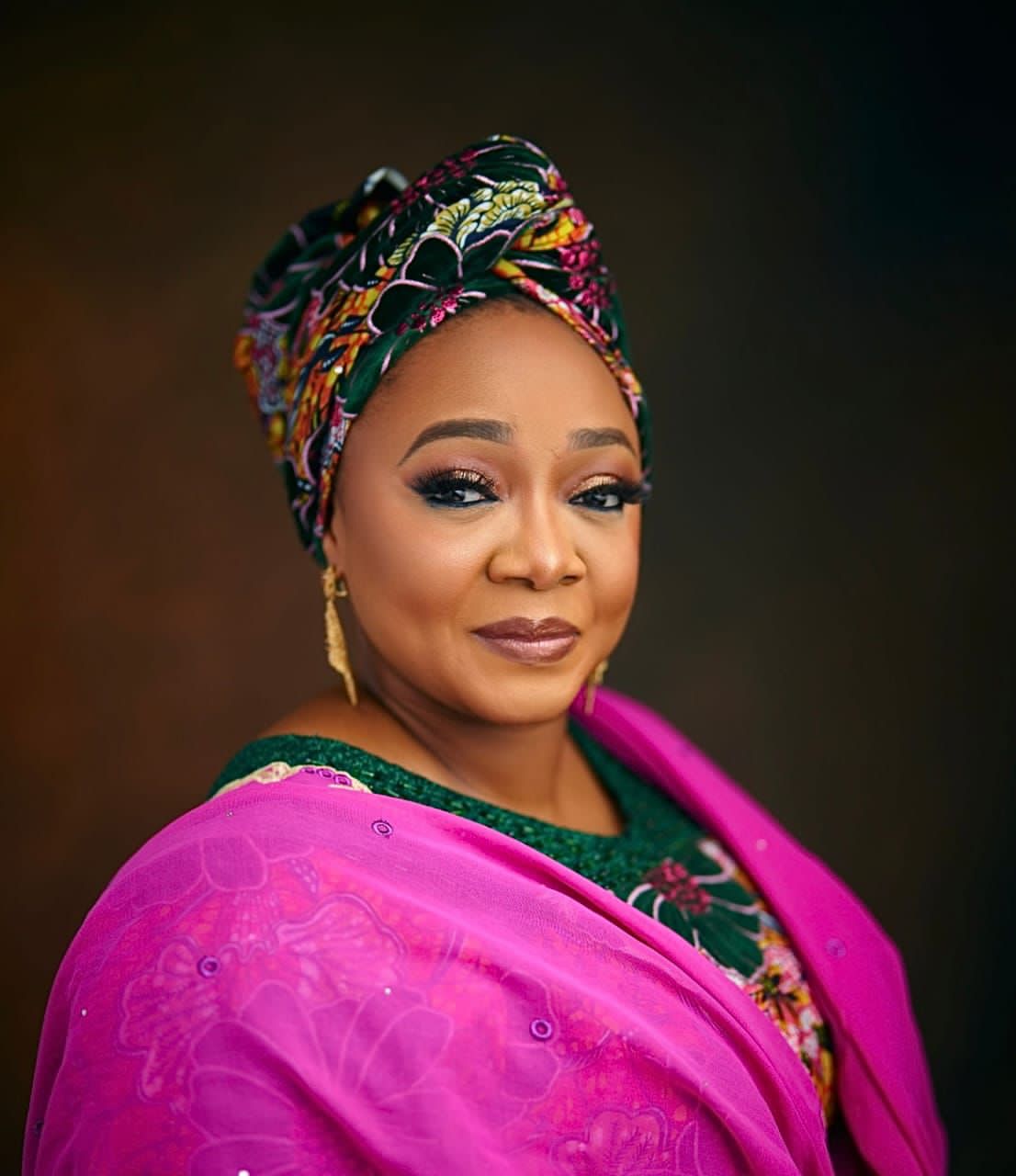
The Minister of Women Affairs and Social Development, Imaan Sulaiman-Ibrahim, has urged Nigerian women to move beyond merely occupying spaces to deliberately shaping decisions that determine their economic, social and political future.
Sulaiman-Ibrahim made the call in Abuja at the “A Seat at the Table” convergence, urging women to turn their individual achievements, businesses and networks into collective influence capable of driving national development.
Represented by the Chairman of the Governing Board of the Maryam Babangida National Centre for Women Development, Princess Jummai Idonije, the minister said the “table” was a metaphor for access and decision-making, stressing that women must be prepared to speak, negotiate and influence outcomes wherever critical decisions were made.
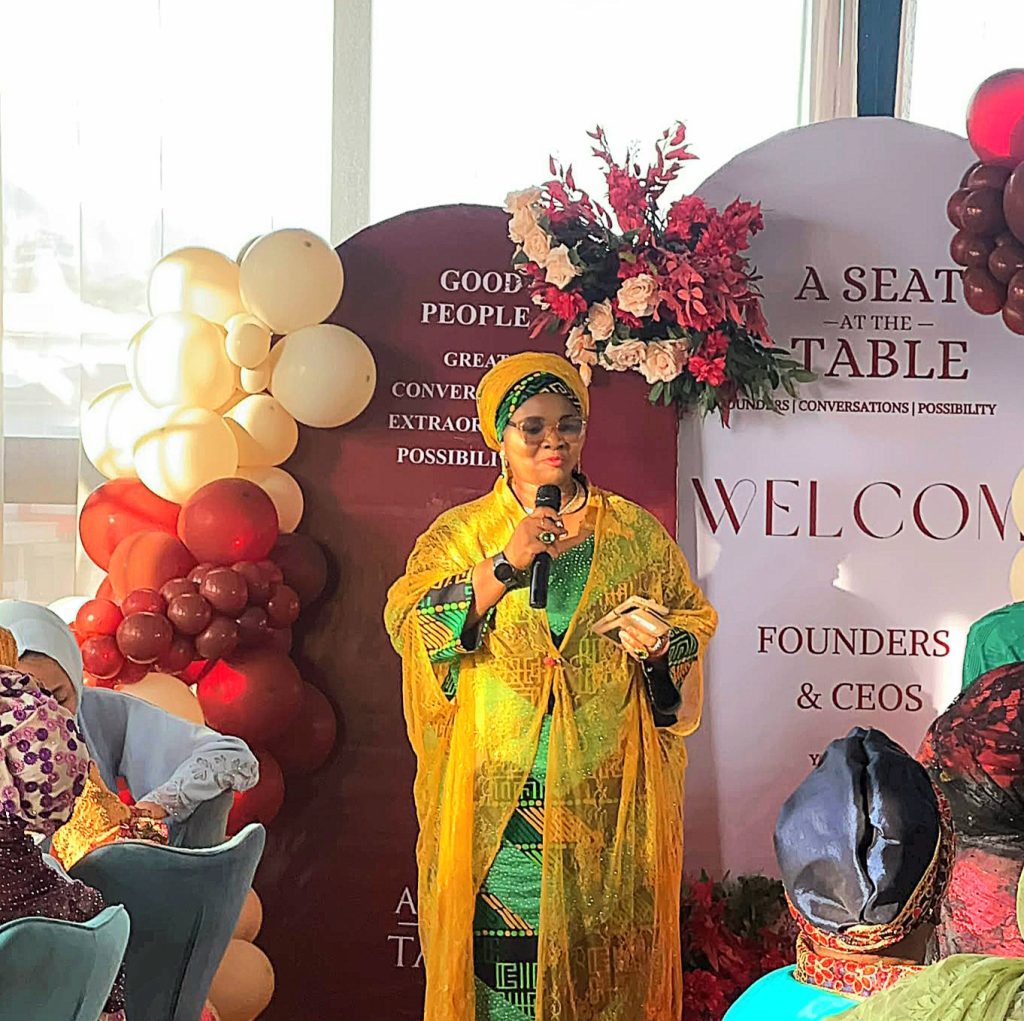
“A seat is not simply a chair. It is access. It is visibility. It is participation. It is the opportunity to speak, to influence, to negotiate and to help determine outcomes,” Sulaiman-Ibrahim said.
The minister told participants that their contributions to businesses, families and communities had already earned them a place in national decision-making.
“You have built businesses, created jobs, raised families, sustained communities and carried entire economies on your backs. You have earned your place at the table,” she said.
Drawing from her public service experience, including her tenure as Nigeria’s first female Minister of State for Police Affairs, Sulaiman-Ibrahim stressed that women must be present wherever policies affecting them are formulated.
“When women are absent from the room, decisions about women are still being made,” she said.
She urged women entrepreneurs to recognise their businesses as economic institutions whose employees, customers and supply chains contributed to national productivity.
On the “Power of 10 Million”, the minister described the figure as representing “ten million voices, ten million economic actors, ten million mothers, professionals, entrepreneurs, community leaders and citizens whose collective participation can create an extraordinary force for national development.”
Sulaiman-Ibrahim said the initiative’s slogan, “One Voice. One Movement. One Choice,” was intended to promote collective participation.
Within the movement’s political framing, she said “One Choice” represented collective support for President Bola Ahmed Tinubu as the All Progressives Congress presidential candidate for the 2027 election.
The initiative had previously been publicly associated with women’s political mobilisation ahead of the 2027 elections.
Sulaiman-Ibrahim, however, urged women to approach political participation with informed engagement, organisation and awareness of issues affecting their lives and enterprises.
She also invited women to bring their challenges, innovations and proposals to the ministry, saying government must create more avenues for their participation.
“This is Women O’Clock,” she declared, urging women to move “from being present to being purposeful; from being consulted to being contributors; from being beneficiaries to being partners.”
“And when you get there, make room for another woman,” she charged.