Bilateral trade between Nigeria and China rose to $18 billion in the first half of 2026, representing a 35 per cent increase, as both countries pledged to deepen economic cooperation and create more opportunities for Nigerian exports.
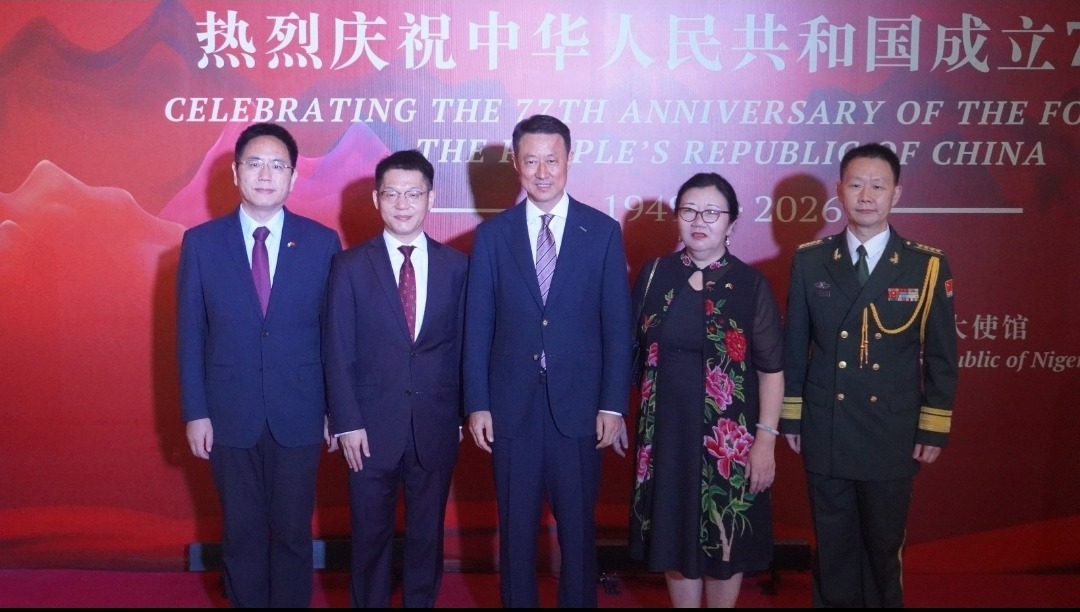
The was disclosed by the Chinese Ambassador to Nigeria, Yu DunHai, at a reception to mark the 77th anniversary of the founding of the People’s Republic of China.
The Chinese Ambassador, said the increase was accompanied by a significant rise in Chinese imports from Nigeria, which surged by 81 per cent during the period.
“In the first half of this year, our bilateral trade reached $18 billion, up 35%, with Chinese imports from Nigeria surging 81%,” he said.
According to him, “the development, reflected the growing economic ties between the two countries and provided opportunities for further expansion of trade and investment.”
Yu noted that recent agreements on economic partnership and aquatic exports would provide stronger institutional support for increased bilateral trade, highlighting China’s decision to grant zero-tariff treatment to 53 African countries from May 1, describing the policy as an opportunity to increase African exports to the Chinese market.
“The impact was immediate, China’s imports from Africa grew by 24 per cent in May and June alone. The policy would help African countries transform their natural resource advantages into industrial strength while supporting the objectives of the African Continental Free Trade Area”, he noted.
The Ambassador said China was also committed to strengthening people-to-people and cultural exchanges between the two countries while reaffirming Beijing’s willingness to deepen cooperation with Nigeria in line with the country’s development priorities.
“Our future cooperation holds boundless potential, China is prepared to align its 15th Five-Year Plan with President Tinubu’s Renewed Hope Agenda in areas including industrialisation, digital development, green and blue economies”, he said.
He also identified artificial intelligence, robotics, innovative pharmaceuticals, digital payments and renewable energy as emerging areas of cooperation.
Yu described the relationship as having entered “the fast lane” and called for continued cooperation between the two countries.
“Those who walk the same path go far, let us empower development through innovation, openness, and sincere cooperation to continuously enrich China-Nigeria friendship and write a new chapter in China-Africa relations”, he said.
He further invited Nigeria to join the proposed World Artificial Intelligence Cooperation Organisation, noting that the initiative would promote wider participation in global technological development.
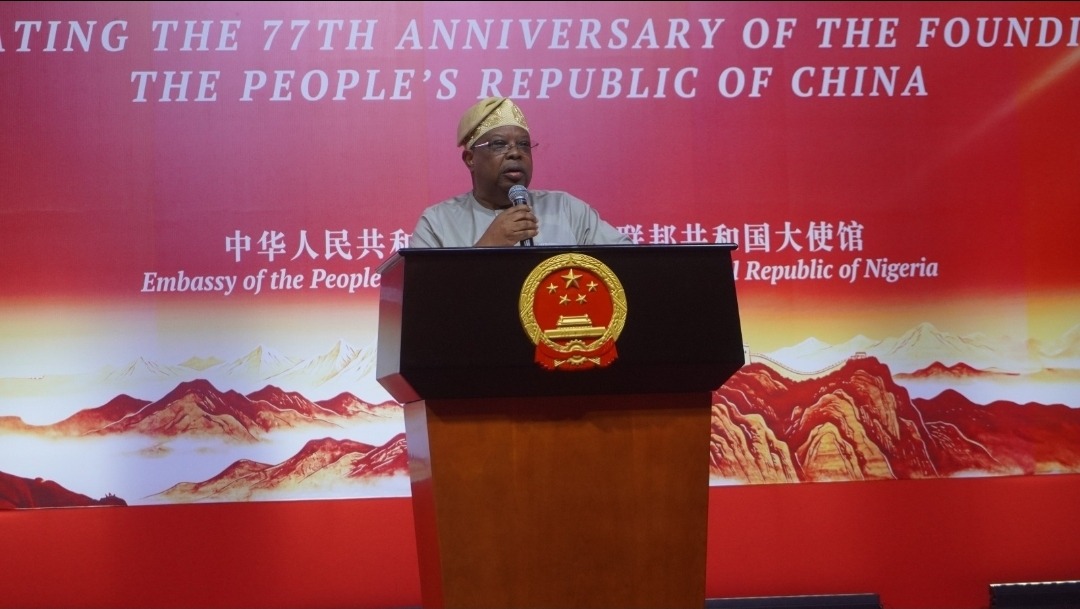
Also speaking, Nigeria’s Minister of Power, Joseph Tegbe, who represented President Bola Ahmed Tinubu at the event, said China’s zero-tariff programme presented significant opportunities for Nigerian producers.
“Our shared task is to translate that access into stronger Nigerian production and Nigerian exports to China, with benefits that will endure both economies,” he said.
Tegbe also welcomed the recent agreements on the export of Nigerian aquatic products to China, describing them as “an opportunity to expand Nigeria’s export base.”
He noted that Nigeria and China had developed a broad relationship since establishing diplomatic ties in 1971, with cooperation extending to infrastructure, investment, healthcare, technical training and people-to-people exchanges.
“Nigeria appreciates China’s contribution through investment, financing, and engineering to projects such as Lekki Deep Sea Port, our railway modernization, the Zungeru Hydro Power Station, amongst many others,” Tegbe said.
The Minister, however, said future cooperation should place greater emphasis on developing Nigerian technical expertise and strengthening local enterprises.
Speaking from the perspective of his portfolio, he identified reliable electricity, renewable energy and the local manufacture of power equipment as areas where Nigeria could deepen cooperation with China.
“The benefits will be the greatest when investment also develops Nigerian engineers, technicians, and strengthens local enterprises,” he said.
Tegbe said that developing Nigerian capacity to operate and maintain infrastructure would ensure that bilateral cooperation produced lasting benefits for the country.
The Nigerian government also reaffirmed its commitment to the One-China principle.
“Let me reaffirm on behalf of President Bola Ahmed Tinubu, Nigeria’s steadfast commitment to the One-China principle.
“Nigeria recognised the government of the People’s Republic of China as “the sole legal government representing the whole of China“, he added
Tegbe said Nigeria-China relations, elevated to a comprehensive strategic partnership in September 2024, were based on mutual respect and sovereign equality.
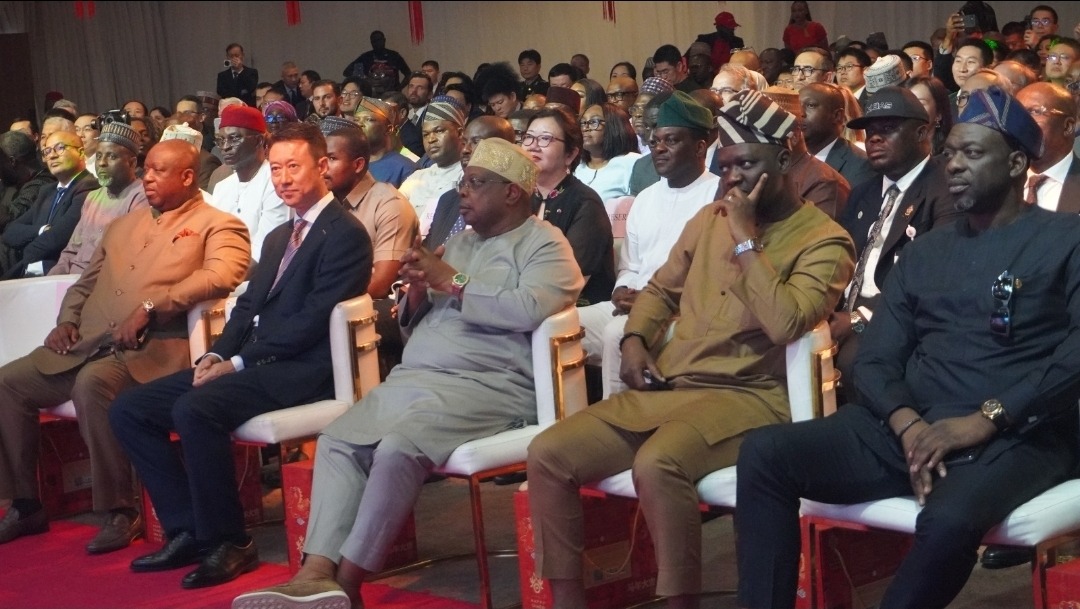
On his part, the Director-General of Voice of Nigeria, Mallam Jibrin Baba Ndace, said that the organisation had commenced Mandarin-language broadcasting as its ninth language.
He noted that the initiative was part of efforts to strengthen the longstanding relationship between Nigeria and China through media and cultural exchanges.
Ndace said Mandarin had become the ninth language on the Voice of Nigeria platform.
“I am happy to inform Nigerians that Voice of Nigeria has started broadcast in Mandarin as its ninth language of broadcast,” he said.
According to him, the initiative would strengthen communication and cultural understanding between Nigerians and Chinese citizens.
The DG said Voice of Nigeria and the Federal Radio Corporation of Nigeria were partnering with the Chinese Embassy to promote the longstanding relationship between the two countries.
“For us, this is a very big event, and we will continue to use our platform to continue to promote the good existing relationship between China and Nigeria,” he said.
Ndace said that Voice of Nigeria would continue to use its international broadcasting platform to project Nigeria and Africa positively.
“At Voice of Nigeria, we are truly committed to ensuring that we’ll be in the lead in projecting positive narrative about Nigeria and Nigerians, Africa and Africans,” he said.
Both nations expressed optimism that the next phase of Nigeria-China relations would focus increasingly on trade expansion, investment, technology transfer, energy cooperation, industrialisation and stronger people-to-people ties.