Nigeria and China have reaffirmed their commitment to strengthening bilateral cooperation, with a focus on trade, investment, technology, infrastructure and sustainable development.
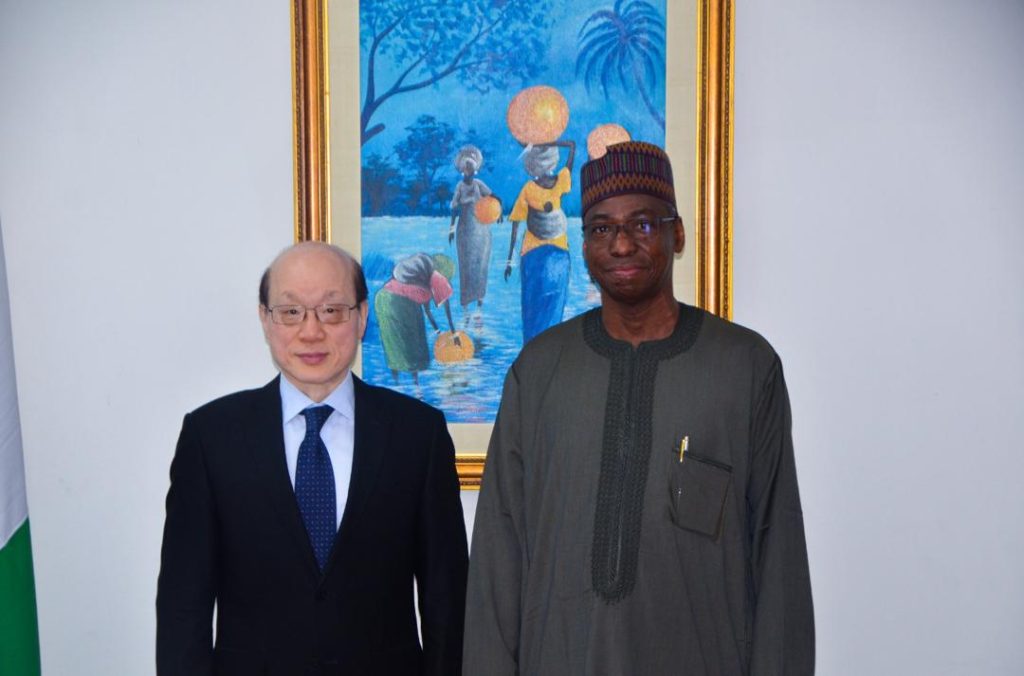
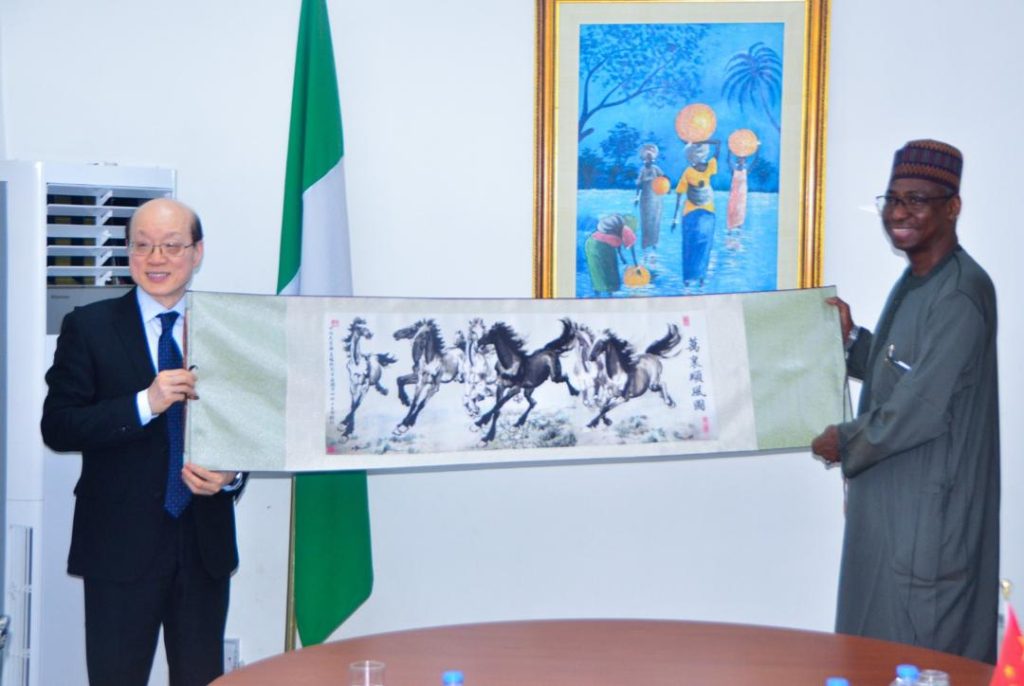
The Permanent Secretary of the Ministry of Foreign Affairs, Ambassador Dunoma Umar Ahmed, stated this when he received a Chinese delegation led by the Vice Chairperson of the Foreign Affairs Committee of the Chinese People’s Political Consultative Conference, CPPCC, Ambassador Liu Jieyi, in Abuja.
According to a statement by the spokesperson of the Ministry of Foreign Affairs, Oluwafemi Adeniyi, the meeting reviewed the longstanding relations between Nigeria and China, which are anchored on shared interests, mutual understanding and mutually beneficial cooperation.
Adeniyi said; “the partnership covers several areas, including infrastructure, trade and investment, education, culture, defence and mining, while both sides identified artificial intelligence, green and renewable energy and digital technology as emerging areas for expanded cooperation.”
“The discussions recognised the importance of translating opportunities in these sectors into practical initiatives capable of delivering tangible benefits to the peoples of Nigeria and China,” Adeniyi stated.
Speaking on economic relations, Ambassador Dunoma stressed the need to increase bilateral trade and attract more Chinese investment into Nigeria’s manufacturing and industrial sectors.
He said; “Nigeria was seeking to move beyond the export of raw materials towards greater value addition and domestic manufacturing.”
The Permanent Secretary said the approach would help create employment opportunities, strengthen productive capacity and expand Nigeria’s exports of finished products.
“The Nigerian Government’s drive to move beyond export of raw materials towards greater value addition and domestic manufacturing is aimed at creating jobs, strengthening productive capacity and expanding exports of finished products,” Dunoma said.
The Permanent Secretary also encouraged Chinese companies to invest more in Nigeria’s manufacturing sector and take advantage of the country’s special economic zones.
He noted that increased investment would strengthen Nigeria’s productive capacity and enhance its position as a gateway to the wider African market.
Ambassador Dunoma welcomed China’s continued support for Nigeria’s development agenda, particularly in promoting peace and security, social stability and economic development.
He reaffirmed Nigeria’s commitment to multilateralism and stressed the importance of continued cooperation between both countries in addressing regional and international challenges.
Ambassador Dunoma further emphasised that Nigeria values its relations with China and other strategic partners based on shared interests and national priorities, and would continue to engage all constructively in ways that promote development, peace and security.
On his part, Ambassador Liu Jieyi underscored the cordial relations between Nigeria and China and the need to deepen bilateral ties in line with the visions of both countries, the Sustainable Development Goals and the framework of the Forum on China-Africa Cooperation, FOCAC.
He also emphasised the importance of institutional mechanisms for strengthening bilateral consultations and coordination.
Ambassador Jieyi said; “the importance of institutional mechanisms for strengthening bilateral consultations and coordination, highlighting the role of the China-Nigeria consultative mechanism in facilitating exchanges, policy discussions and cooperation between relevant institutions.”
The Chinese envoy expressed further interest in developing engagements aimed at deepening mutual understanding and advancing practical cooperation between both countries.
The meeting underscored the shared commitment of Nigeria and China to strengthening their Comprehensive Strategic Partnership through expanded cooperation, enhanced people-to-people exchanges and stronger institutional ties.
Nigeria reaffirmed its readiness to work with China to identify priority areas within their partnership, and establish clear implementation frameworks for existing engagements, with a view to advancing development and mutual prosperity.