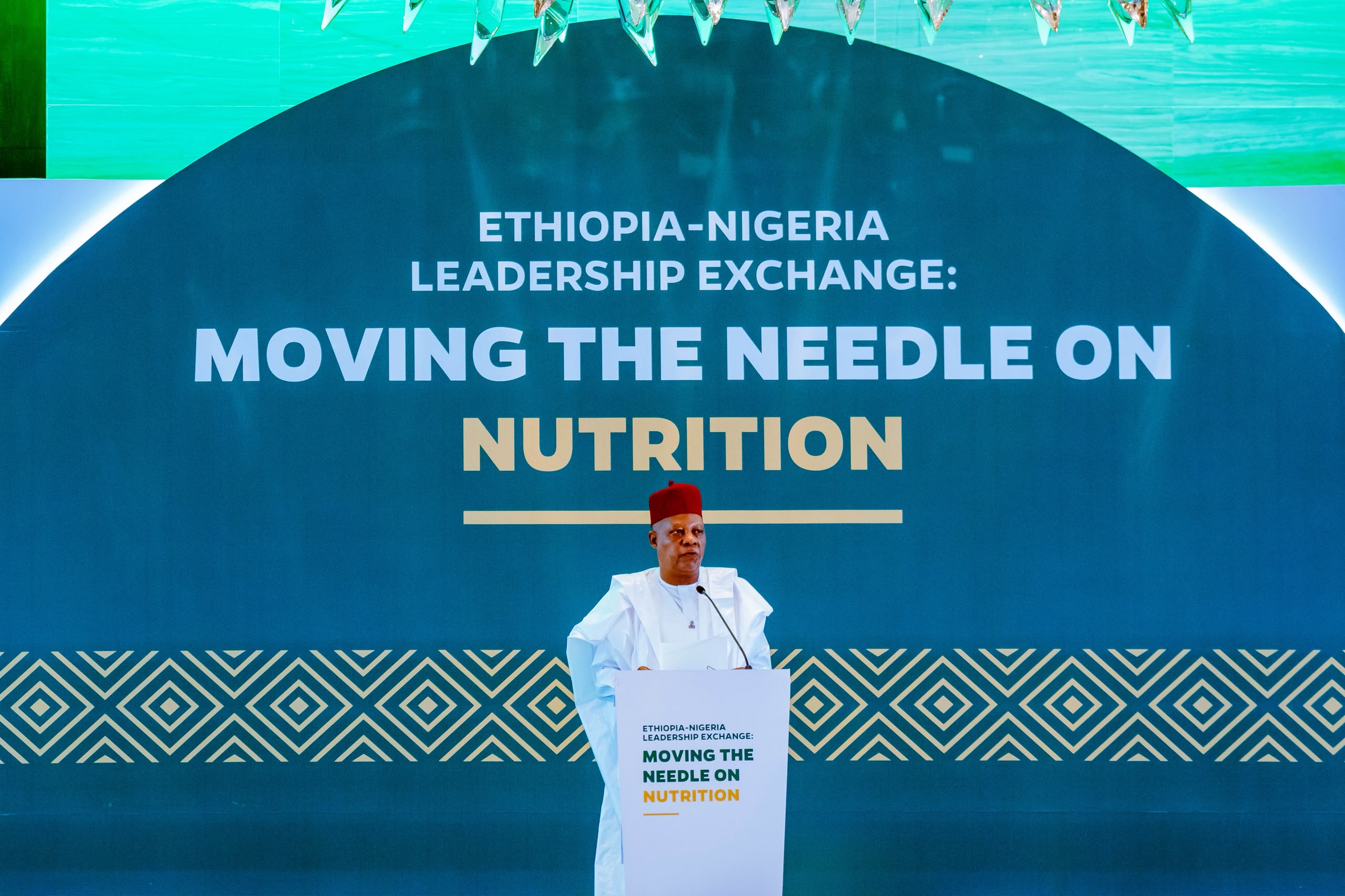
Vice President Kashim Shettima says Nigeria will accelerate work on a National Food and Nutrition Bill, as part of efforts to protect nutrition financing, strengthen accountability, and sustain interventions across successive administrations.
Speaking on Wednesday during the Nigeria-Ethiopia Nutrition Leadership Exchange Forum in Addis Ababa, Ethiopia, the Vice President said Nigeria’s National Policy on Food and Nutrition 2026–2035 had set targets to reduce the country’s stunting rate to 32 per cent by 2029, 28 per cent by 2032 and 25 per cent by 2035.

He noted that the proposed legislation would strengthen the government’s Nutrition 774 Initiative and deepen a compact among federal, state and local governments to deliver a unified response to malnutrition, beginning at the community level.
READ ALSO: VP Shettima Arrives in Ethiopia for Nutrition Leadership Forum

The Vice President noted that with nutrition committees already established in 32 State Houses of Assembly, the time was ripe to give the country’s nutrition response stronger legislative backing.
“We are convinced that, with nutrition committees in 32 state assemblies, there is no better time for us to accelerate the development of a National Food and Nutrition Bill and the advancement of a federal, state and local compact to protect financing and enforce accountability beyond administrations,” he stated.

VP Shettima disclosed that nutrition committees had also been established in more than 450 local governments, while the federal government was strengthening state councils and delivery capacity across all levels of government.
He said Nigeria’s Nutrition 774 Initiative provides a single framework that brings together all tiers of government, with Governors and Local Government Chairpersons expected to lead implementation within their respective jurisdictions.
VP Shettima also disclosed that Nigeria’s $26 million commitment to the Child Nutrition Fund attracted matching support, unlocking $52 million, while 21 states had contributed $6.3 million since 2023 for supplies aimed at preventing and treating malnutrition.
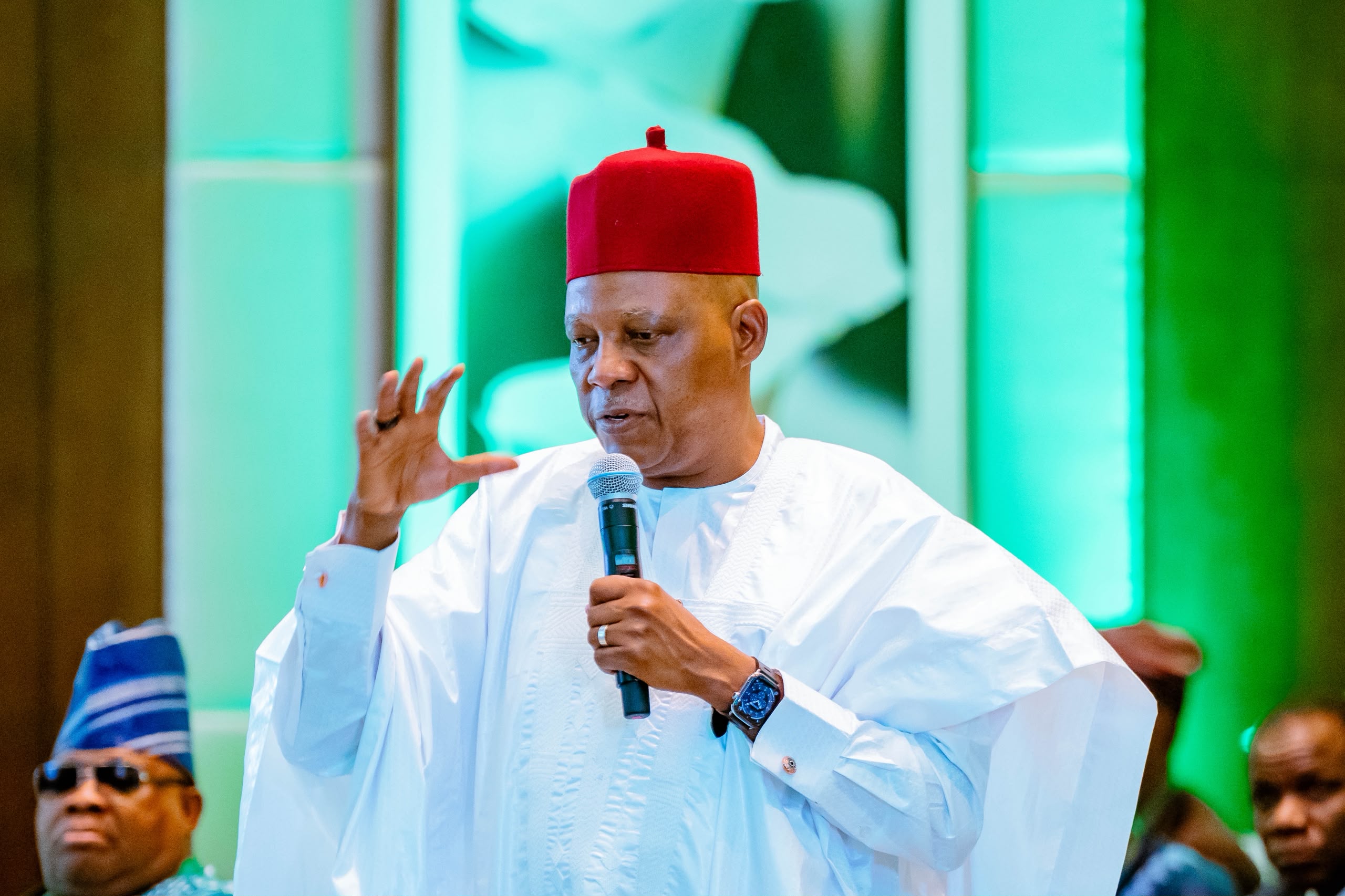
He said the proposed Presidential Nutrition Investment Fund would provide catalytic financing, while the Nutrition Financing Subcommittee was working to mobilise additional domestic resources.
The Vice President explained that the urgency of the reforms was underscored by the fact that 40 per cent of Nigerian children under five are affected by stunting, alongside an estimated annual economic cost of $56 billion from undernutrition.
The Deputy Prime Minister of Ethiopia, Mr. Temesgen Tiruneh, who declared the forum open, said the longstanding relationship between Nigeria and Ethiopia could help shape Africa’s development trajectory.
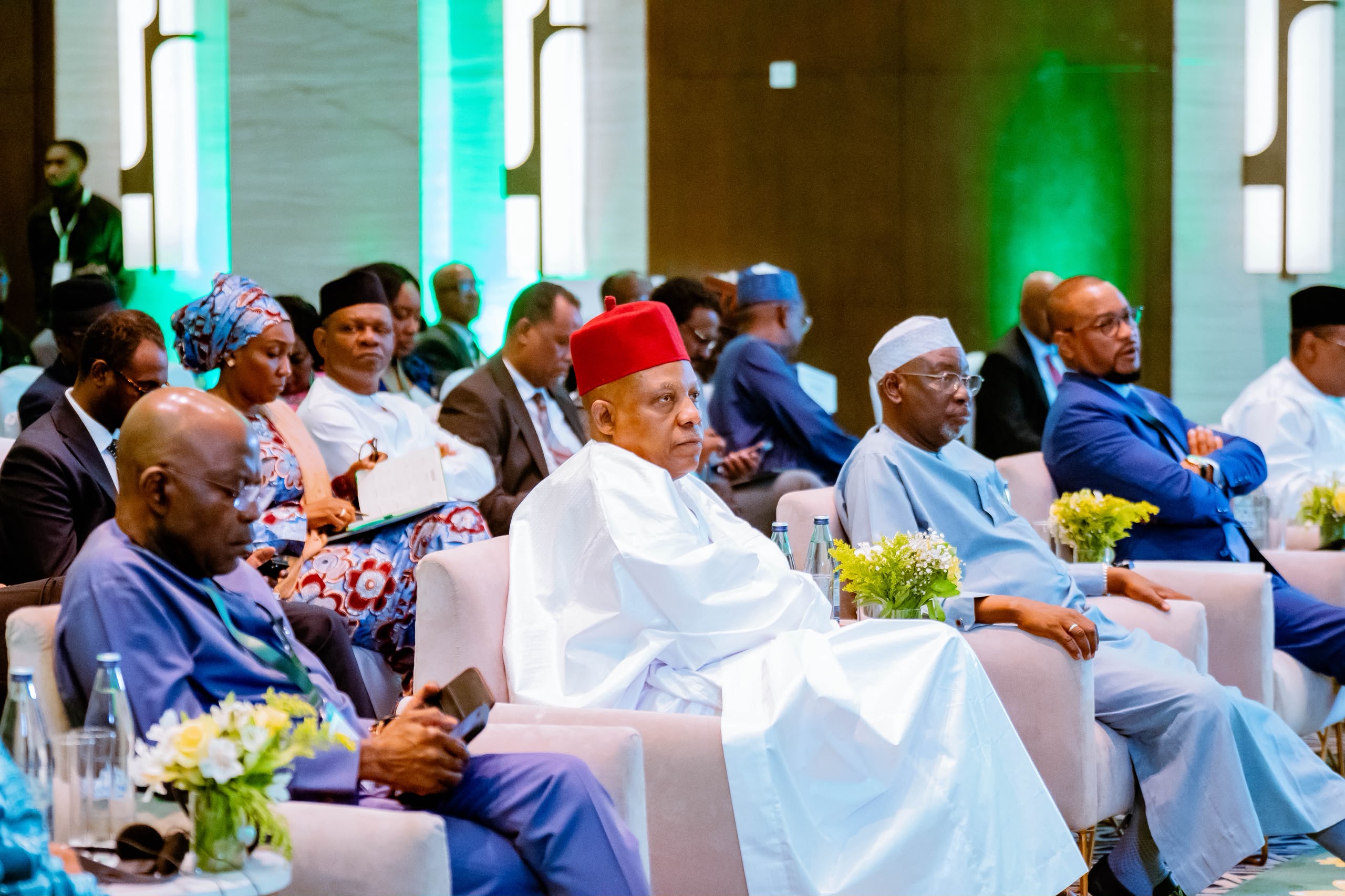
He welcomed Nigeria’s interest in Ethiopia’s nutrition experience, noting that his country had placed food and nutrition at the centre of its development agenda.
He added that improving nutrition requires sustained political leadership, financing and accountability at every level of government, backed by systems that track implementation and results.
“Over 100,000 children in Ethiopia have been protected from malnutrition through community mobilisation and improvements in the nutritional value of the food they eat,” Tiruneh said.
Ethiopia’s Minister of Health, Dr Mekdes Daba, said the leadership exchange was focused on one of Africa’s most urgent development challenges, child malnutrition, with particular attention to Ethiopia’s Seqota Declaration, its national commitment to end child stunting by 2030.
She stressed that nutrition during the early years of life has far-reaching consequences for health, education and economic productivity.
Members of the Nigerian delegation to Ethiopia, including governors and ministers who spoke at the forum, pledged to strengthen Nigeria’s nutrition value chain through greater investment in technology, financing, education and food systems to improve food and nutrition security.