Nigeria is seeking increased private-sector investment in agricultural mechanisation, processing, technology and financing to boost productivity, create jobs and expand non-oil export earnings.
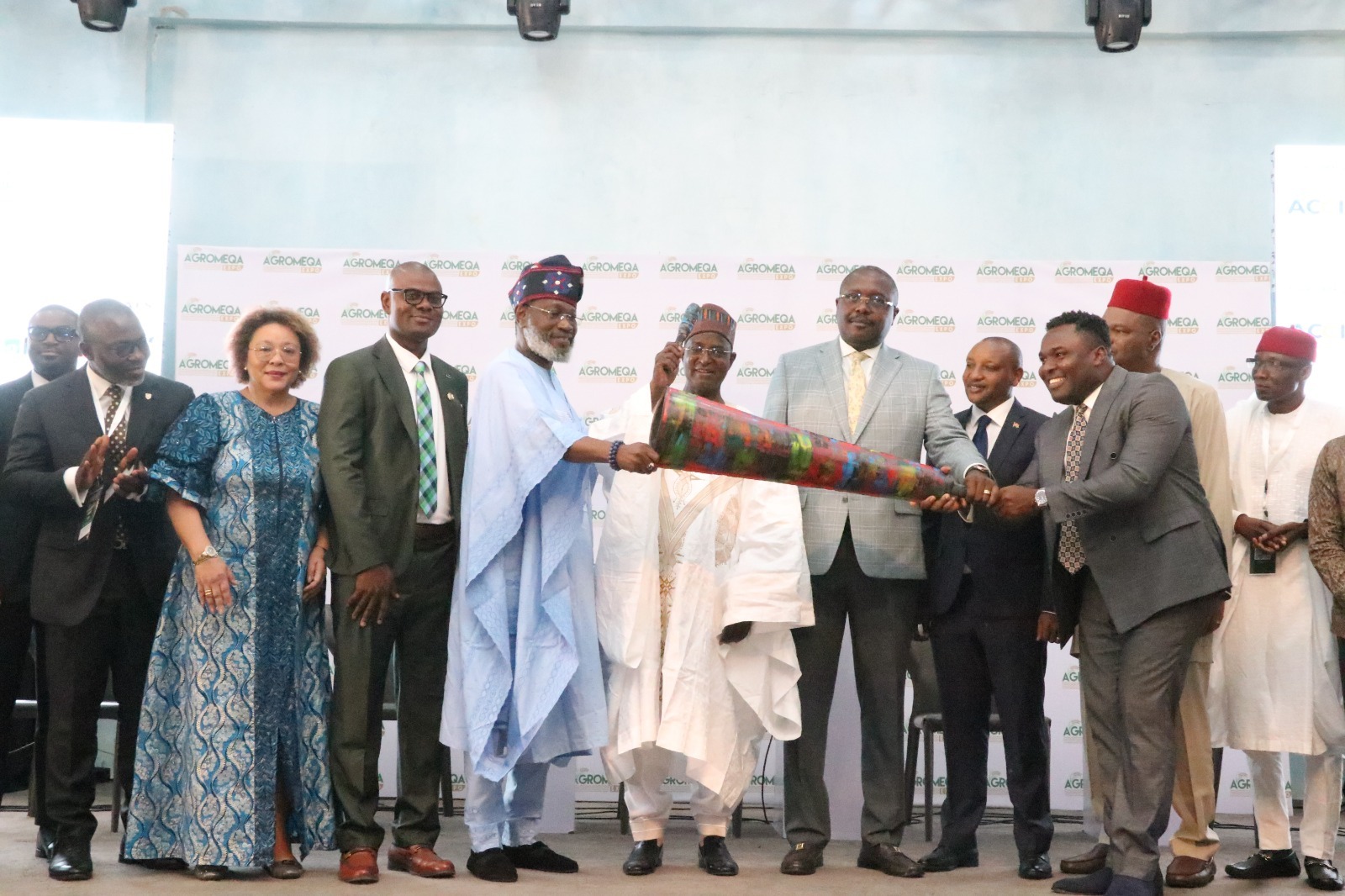
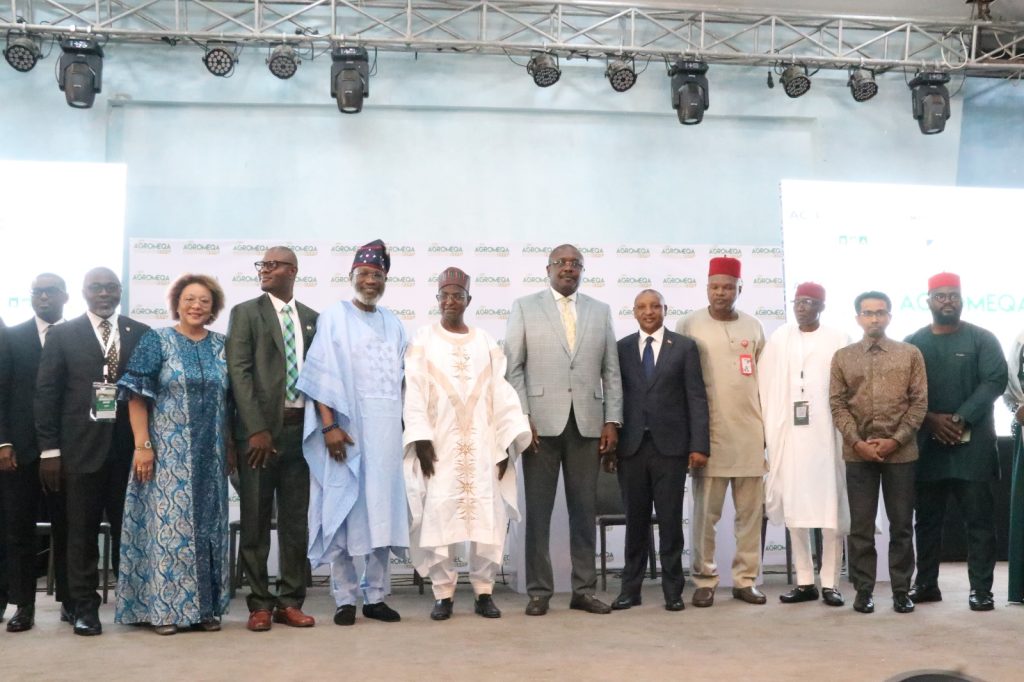
Stakeholders made the call at the maiden AgroMeqa Expo 2026 in Abuja, stressing the need to strengthen agricultural value chains and improve access to domestic and international markets.
The stakeholders included the Abuja Chamber of Commerce and Industry (ACCI), the Nigerian Association of Chambers of Commerce, Industry, Mines and Agriculture (NACCIMA) and the Nigeria Incentive-Based Risk Sharing System for Agricultural Lending (NIRSAL).
READ ALSO: NACCIMA Deepens Global Ties, Unveils Economic Growth Strategy
Speaking at the event, the Minister of Livestock Development, Idi Maiha, identified dairy production, red meat processing, leather manufacturing and commercial fodder production as key investment opportunities in the livestock sector.
He said, “Livestock contributes an estimated US$32 billion to Nigeria’s economy, with the Federal Government targeting growth to US$74 billion.”
Maiha also highlighted NACCIMA’s announcement of a proposed 50-billion-dollar, 10-year livestock investment initiative, describing it as an opportunity to develop productive enterprises, create jobs and strengthen Nigeria’s export capacity.
He identified domestic dairy production as a priority for reducing dependence on imports, while advocating modern meat processing facilities and refrigerated transportation to improve the quality and distribution of livestock products.
The President of ACCI, Emeka Obegolu, reaffirmed the chamber’s commitment to private-sector-led economic growth, calling for greater technology adoption, investment mobilisation and stronger market linkages to transform agricultural production.
He said Nigeria needed to move beyond traditional farming methods towards mechanised, commercially viable systems capable of increasing productivity, reducing post-harvest losses, creating jobs and expanding non-oil exports.
Similarly, the President of NACCIMA, Jani Ibrahim, stressed the importance of private capital in developing competitive agricultural value chains.
He urged investors to support farm machinery, processing and storage facilities, financing, quality assurance, logistics and market access.
“Nigeria must increase the proportion of agricultural produce processed locally, meet international quality standards and establish reliable commercial relationships to compete effectively in regional and global markets,” Ibrahim said.
The Executive Director, Operations, of NIRSAL, Ewaen Imohe, identified inadequate mechanisation, fragmented production systems, infrastructure deficits and limited access to finance as major constraints to agricultural productivity.
Imohe advocated farmer clustering to achieve economies of scale, renewable-energy solutions to lower operating costs and innovative financing models to improve farmers’ access to agricultural machinery.
He also disclosed that NIRSAL’s Land Bank Initiative had mapped more than 100,000 hectares of agricultural land to support commercially viable production clusters and create investment opportunities.
The stakeholders said stronger private-sector participation, improved financing and investment in processing and logistics would be essential to developing competitive agricultural businesses, increasing local value addition and boosting Nigeria’s non-oil export earnings.