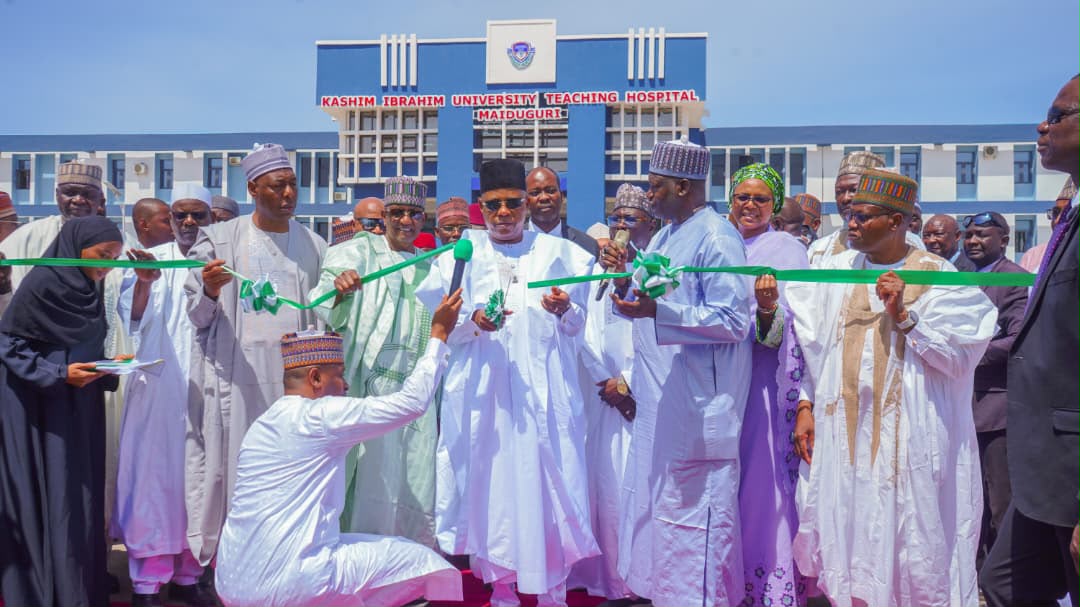
Nigeria’s Vice President Kashim Shettima, has commissioned the Kashim Ibrahim University Teaching Hospital in Maiduguri, Borno State, a 400-bed specialist medical facility designed to improve access to advanced healthcare, strengthen medical training and reduce the need for residents to seek treatment outside the state.
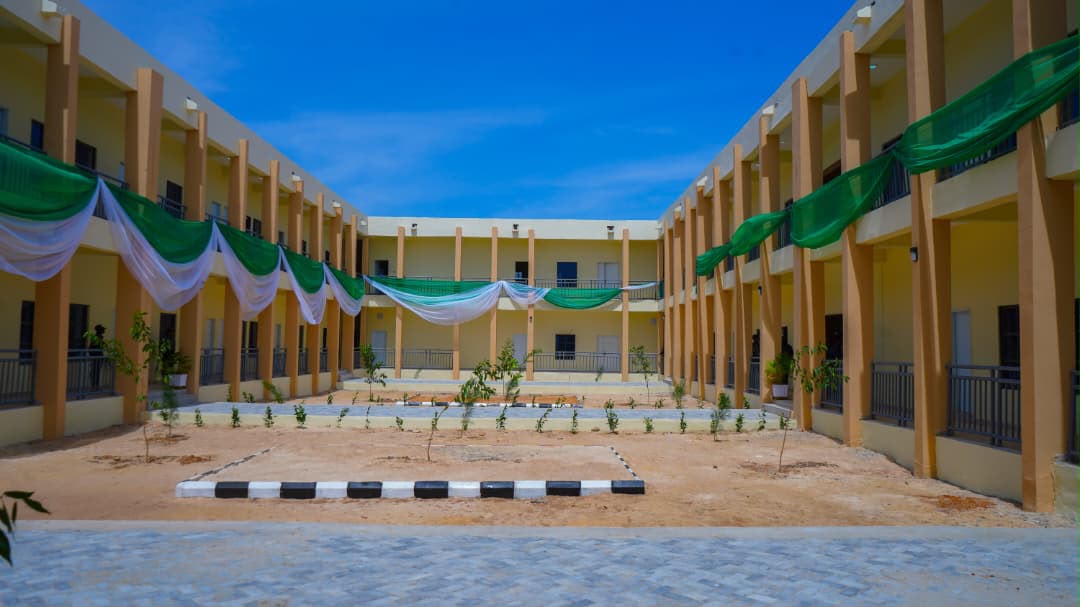
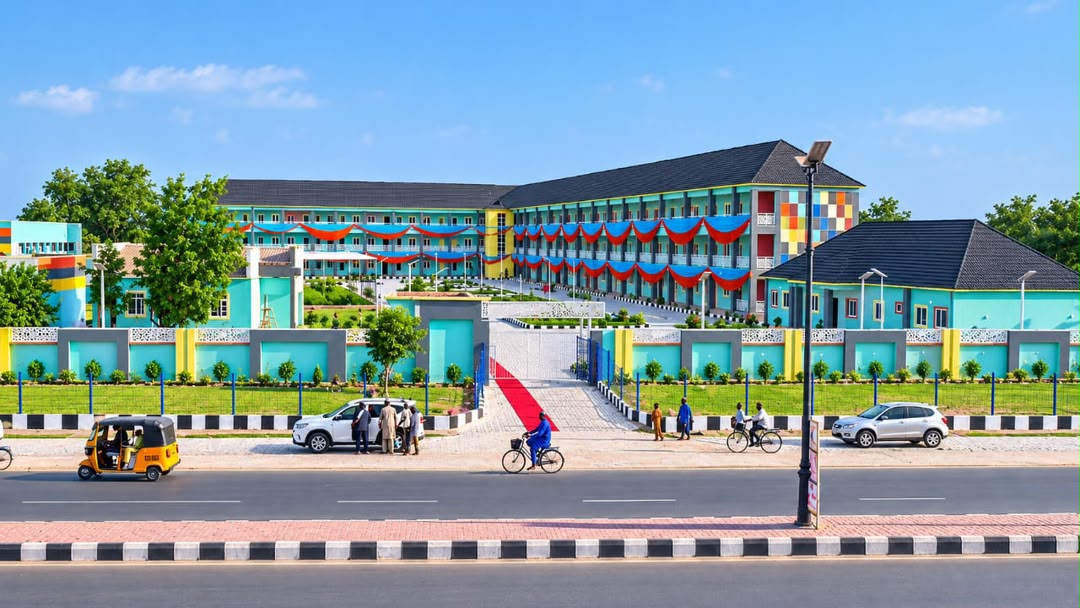
The Vice President also commissioned two mega primary schools to expand access to quality education.
The teaching hospital, established by the administration of Governor Babagana Umara Zulum, comprises 13 specialist departments covering diagnostic services, medical and surgical care, emergency services, paediatrics, internal medicine, physiotherapy and other areas of healthcare.
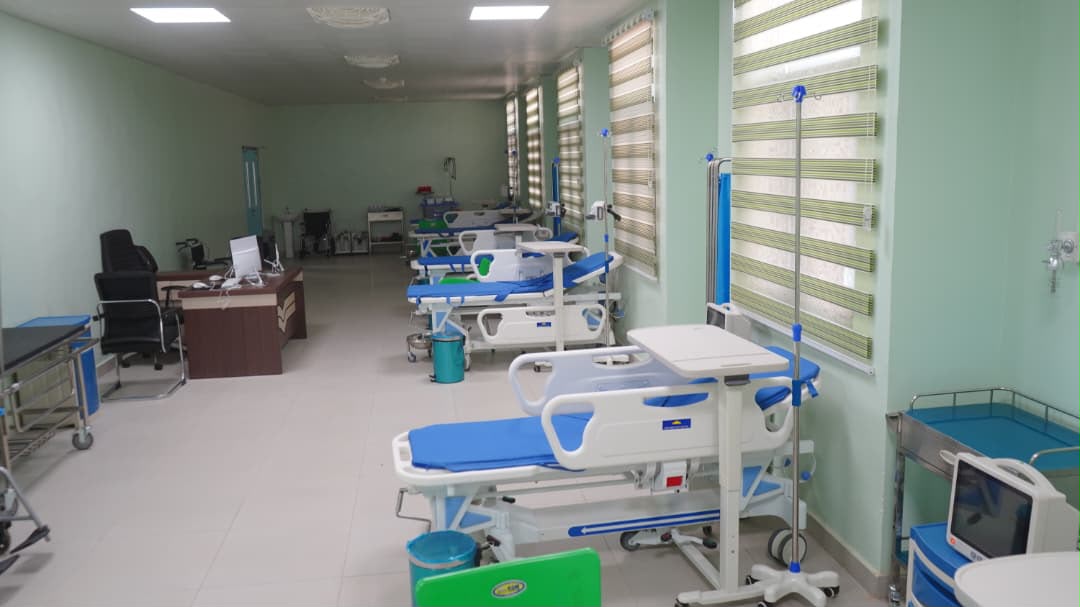
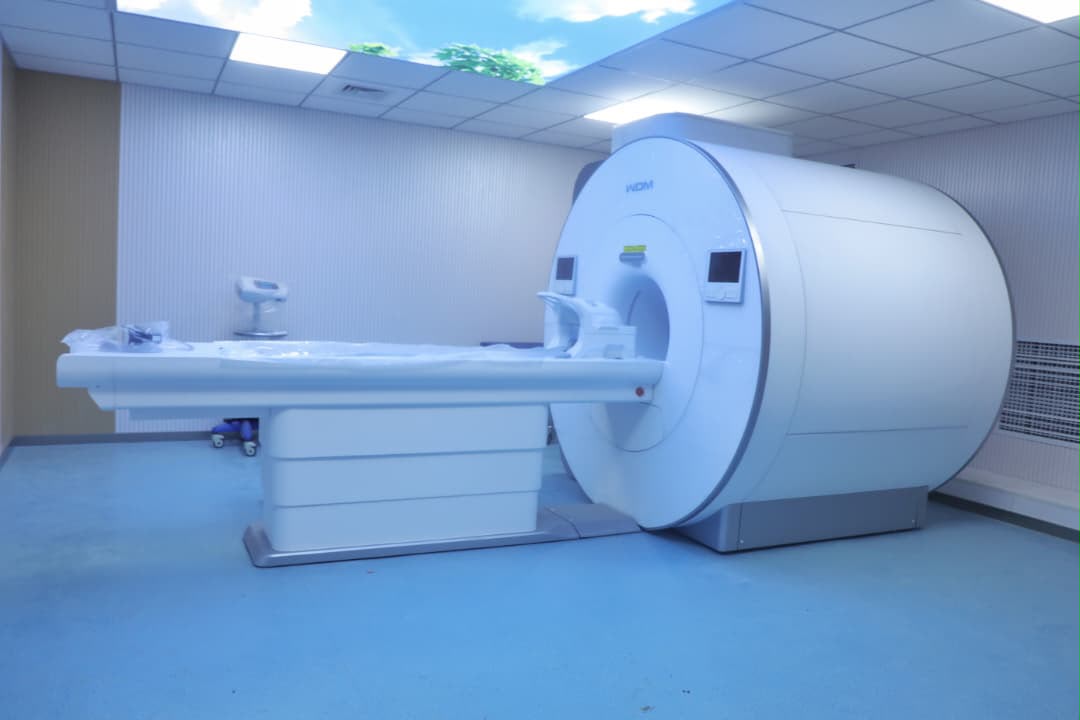
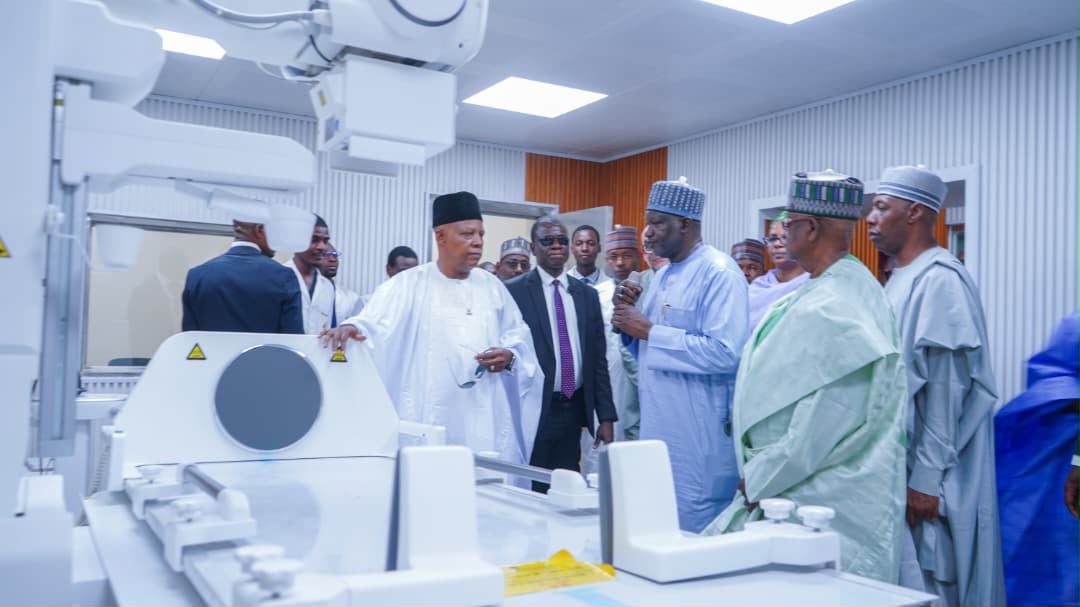
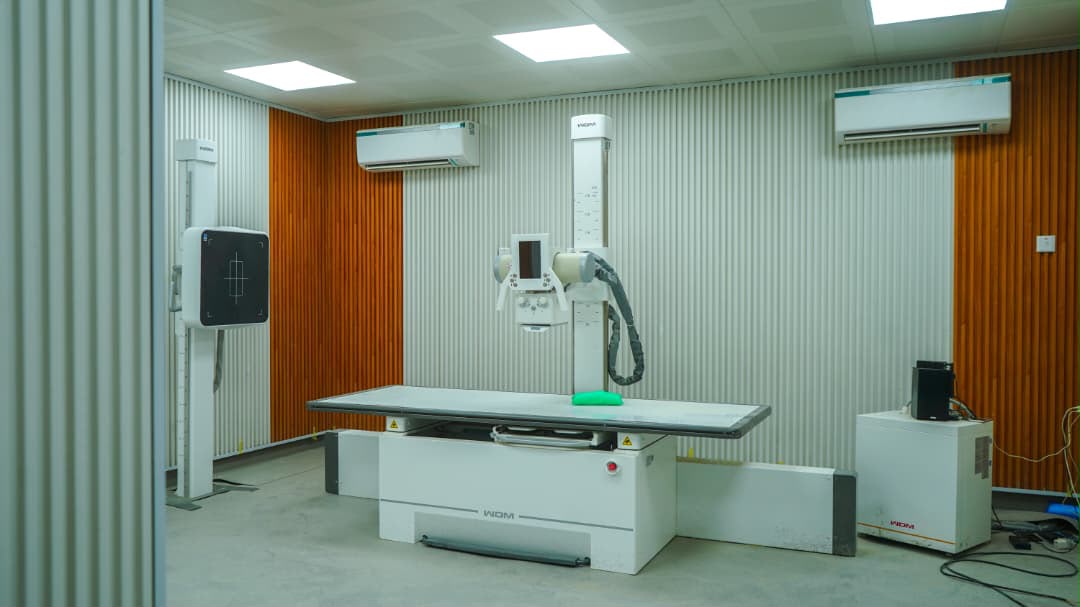
The facility is equipped with modern diagnostic technology, including a 1.5-tesla magnetic resonance imaging (MRI) scanner, a 160-slice computed tomography (CT) scanner, three conventional and two mobile X-ray machines, three 4D ultrasound machines, a fluoroscopy system for real-time imaging and a digital mammography machine.
Its supporting infrastructure includes a medical college complex, a students’ hostel, a 200-unit staff estate and an oxygen plant complex.
Speaking at the commissioning ceremony, Shettima commended Governor Zulum for prioritising healthcare and education, describing the projects as investments that would continue to benefit future generations.
He said the true measure of leadership was not the offices held or the privileges enjoyed but the institutions established, infrastructure provided and lives improved through public service.
According to the Vice President, the teaching hospital would bring specialised medical services closer to residents, reducing the financial burden and anxiety associated with travelling outside Borno State to access advanced treatment.
He noted that the institution would also support medical research and the training of healthcare professionals, ensuring that its benefits extended beyond immediate patient care.
Shettima expressed confidence in Zulum’s vision for Borno’s recovery, particularly his commitment to ensuring that development reached patients in need of treatment and children seeking access to education.
He also reaffirmed the Federal Government’s commitment to supporting Borno State’s efforts to consolidate peace, rebuild communities and expand opportunities for its people.
In his remarks, Governor Zulum described the teaching hospital as one of the most significant expressions of his administration’s commitment to providing modern healthcare infrastructure for the people.
He said the institution would serve as the clinical training centre for the College of Medical Sciences at Kashim Ibrahim University, providing practical training for medical students, resident doctors, nurses, midwives, pharmacists, medical laboratory scientists, physiotherapists, radiographers and other healthcare professionals.
The governor explained that the hospital would help address the shortage of healthcare personnel in Borno and the wider North-East by strengthening professional training and building the capacity of the state’s medical workforce.
He added that the facility would serve residents of Borno, neighbouring communities and people from other countries across the Lake Chad region who require specialised medical services.
Zulum said his administration would continue investing in healthcare infrastructure, recruiting qualified medical personnel and providing the equipment, consumables and supporting facilities required to maintain high standards of service delivery.
He also called on national and international development partners to support the hospital with modern equipment, technical expertise, professional exchange programmes and capacity-building initiatives.
Earlier, the Borno State Commissioner for Health, Malum Gana, described the teaching hospital as a major component of the healthcare reforms being implemented by the Zulum administration.
He said the state’s healthcare development programme included nursing colleges in Monguno and Gwoza, specialist eye and dental hospitals, and the construction and upgrading of general hospitals in different parts of Borno.
Professor Gana also highlighted the administration’s investment in developing specialised medical personnel, disclosing that 65 doctors had been sent for specialist training, with five already returning to the state.
He added that nurses had also been sent for specialised training in orthopaedics, ophthalmology and paediatrics to strengthen the capacity of healthcare facilities across Borno.
According to him, the state government had also renovated and revitalised 100 primary healthcare facilities in the previous year as part of efforts to improve access to medical services at the grassroots.
The Commissioner said the new teaching hospital would provide opportunities for collaboration with Egyptian medical professionals, allowing healthcare workers to exchange knowledge, improve clinical skills and strengthen specialist services.