


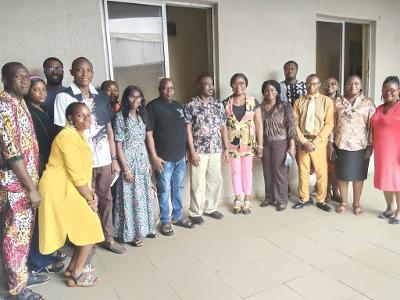
Anambra State has recorded encouraging progress towards eliminating lymphatic filariasis, following a six-week assessment across 20 endemic local government areas, with the Carter Centre commending the state government for its sustained support for disease control interventions.
The commendation was made at a stakeholders’ feedback meeting held at the Anambra State Ministry of Health, Awka, where preliminary findings of the assessment were presented and reviewed.
The meeting was presided over by the Permanent Secretary of the Ministry, Dr Obiageli Uchebo, who represented the Commissioner for Health, Dr Afam Obidike. The federal assessment team was led by the National Programme Officer, Dr Issa Ahmadu.
The assessment was conducted by the Federal Ministry of Health in collaboration with The Carter Centre, the state Ministry of Health, the Ministry of Education and the Anambra State Universal Basic Education Board (ASUBEB).
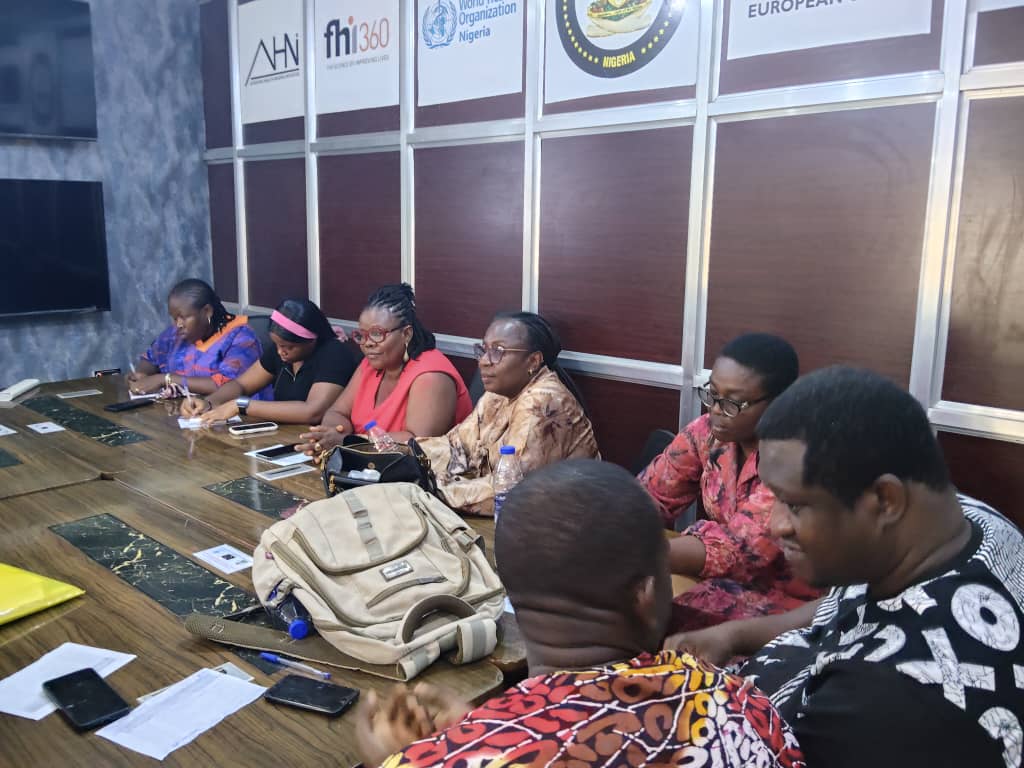
It evaluated the prevalence of lymphatic filariasis in 20 endemic local government areas where mass drug administration with Mectizan and Albendazole had been implemented.
Presenting the findings, Dr Ahmadu outlined the assessment’s major observations, public health implications, operational challenges and recommended interventions to sustain progress towards eliminating the disease as a public health problem.
The State Coordinator of the Neglected Tropical Diseases Control and Elimination Programme, Dr Obikwelu Emmanuel, disclosed that the exercise covered more than 300 schools across 18 evaluation units in the 20 local government areas.
He explained that sustained mass drug administration with Mectizan and Albendazole had contributed to interrupting the transmission of lymphatic filariasis and onchocerciasis in the state, while stressing the need to maintain surveillance and follow-up interventions.
Dr Obikwelu further disclosed that six positive cases were identified during the assessment, adding that the affected individuals would receive appropriate follow-up interventions in line with World Health Organisation (WHO) and Federal Ministry of Health guidelines to prevent possible resurgence.
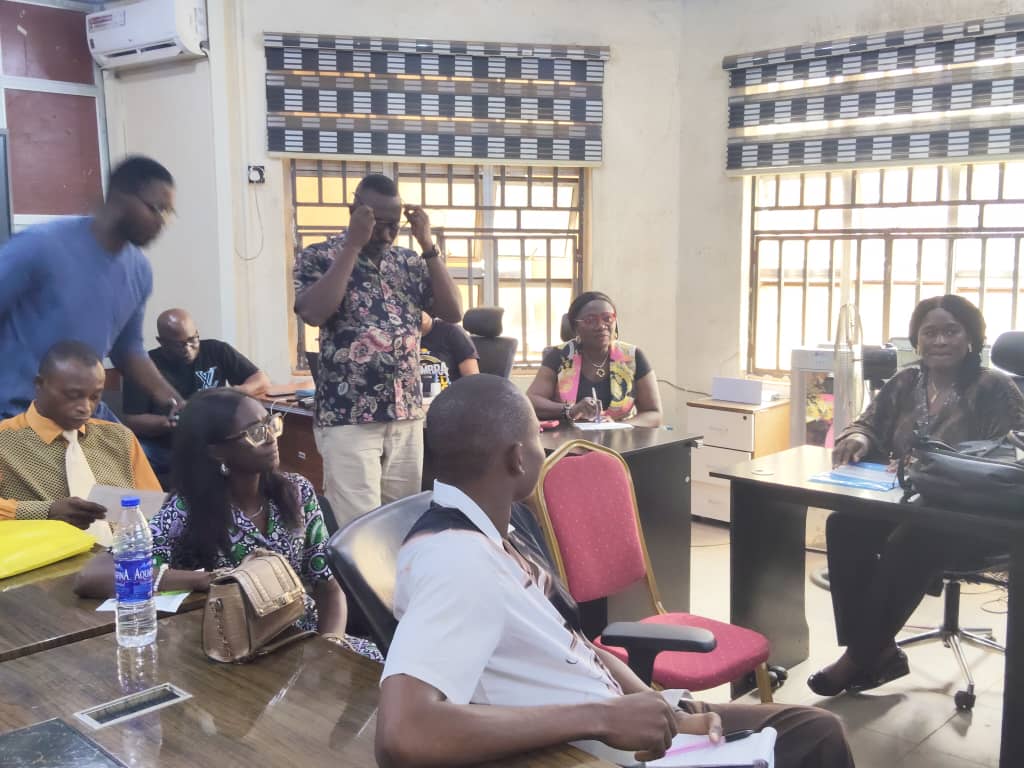
Earlier, Dr Uchebo commended the federal assessment team, the Carter Centre and education authorities for their collaboration, describing the international organisation as a results-oriented partner.
She also praised health workers and programme implementers for their commitment to reaching communities, schools and local government areas.
The Carter Centre Programme Officer in Anambra, Mrs Atama Isianiegonu, said the assessment team spent nearly six weeks evaluating the disease situation in the endemic areas.
Isianiegonu explained that fieldwork was completed shortly before the feedback meeting, followed by data verification and analysis.
She described the preliminary outcome as encouraging and acknowledged the state government’s support, particularly the contributions of the education sector in facilitating the school-based assessments.
The findings are expected to guide subsequent interventions, strengthen disease surveillance and consolidate Nigeria’s efforts to eliminate neglected tropical diseases, which continue to pose public health challenges in vulnerable communities.

