


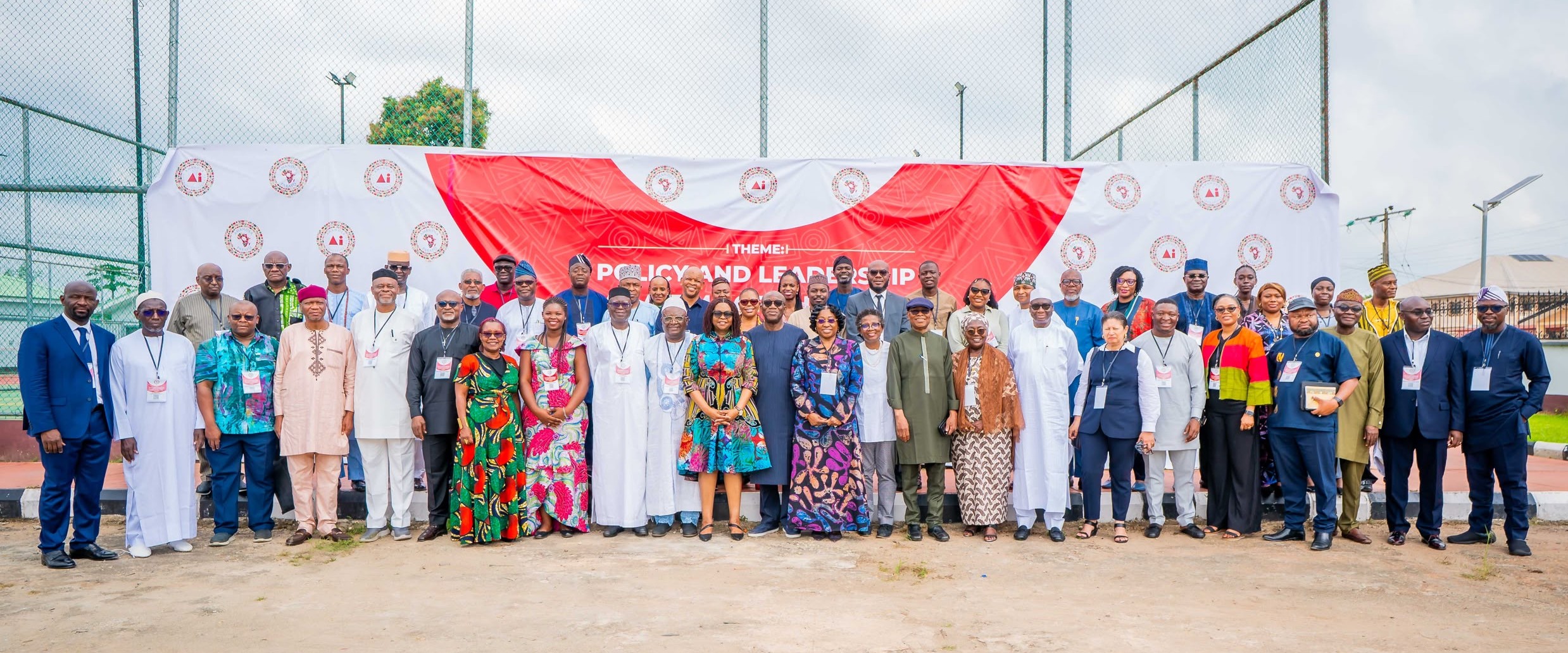
African leaders, policymakers, and researchers have called for stronger continental cooperation, homegrown policy solutions, and accountable leadership as shifting global power dynamics reshape the international order.
The call was made at the opening of the inaugural Amandla Parapọ̀ 2026, a three-day retreat organised by the Amandla Institute for Policy and Leadership Advancement in Ilishan-Remo, Ogun State.
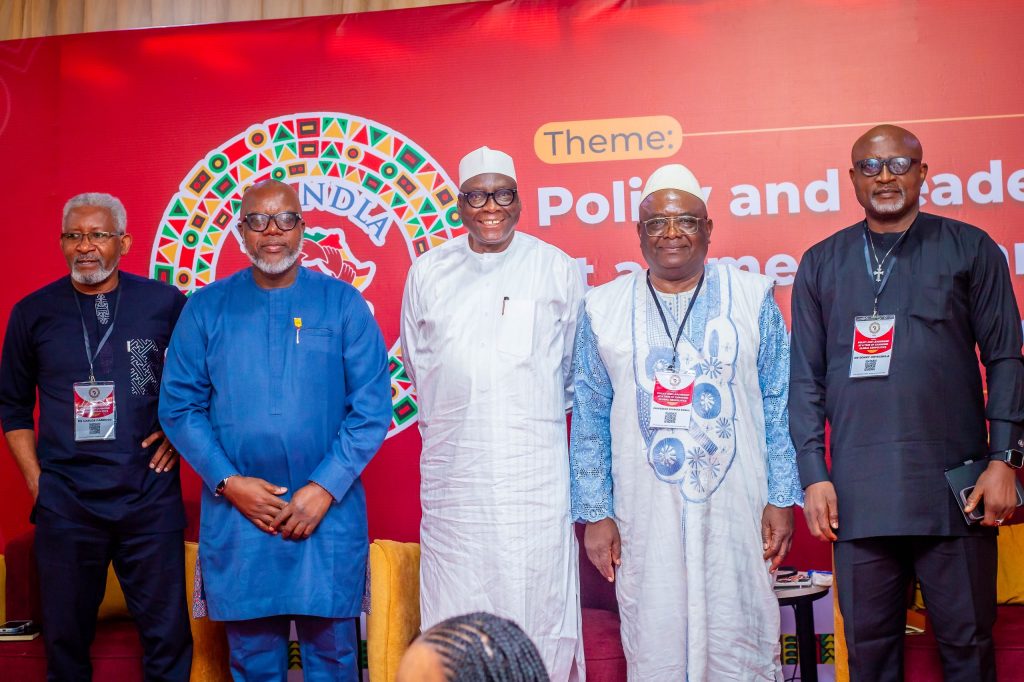
The retreat, themed “Policy and Leadership at a Time of Changing Global Geopolitics,” brought together participants from across Africa and the diaspora to examine the continent’s place in an increasingly competitive international order.
Strengthening Africa’s Economic and Political Influence
In her opening address, the Co-founder and Chairperson of the Institute’s Governing Board, Bisi Adeleye-Fayemi, said Africa must transform its natural resources, trade corridors and youthful population into greater economic and political influence.
Adeleye-Fayemi identified weak institutions, fragmented regional cooperation and dependence on external funding as major constraints on Africa’s bargaining power, stressing the need for African institutions to develop greater financial and intellectual independence.
She called for increased investment in African-led research and policy institutions, as well as deeper continental integration through the African Continental Free Trade Area (AfCFTA) and the African Union’s Agenda 2063.
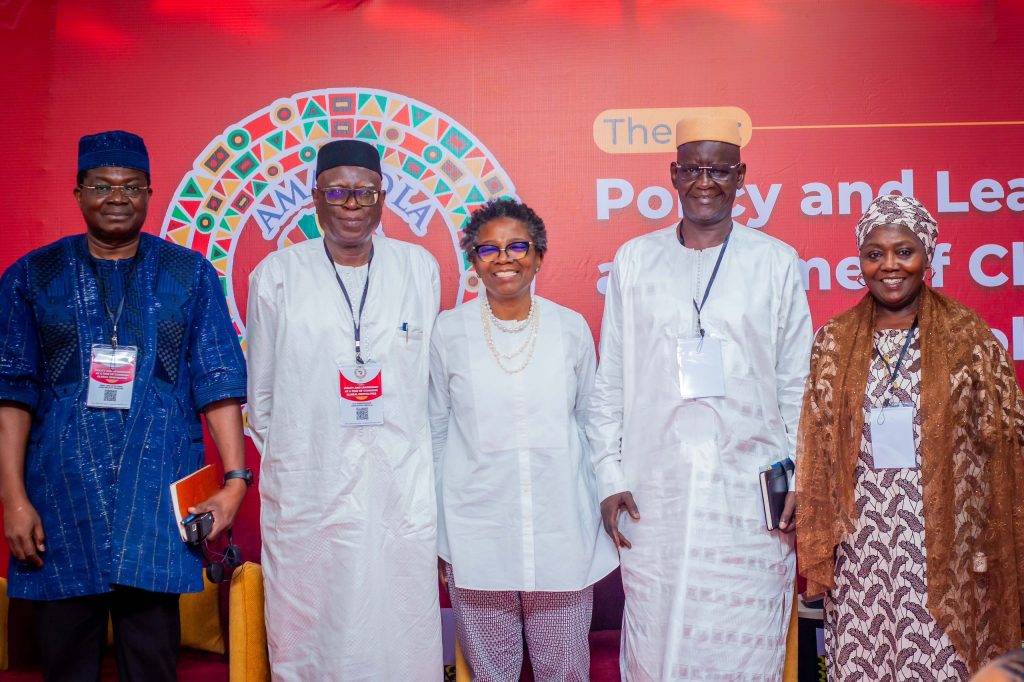
“Without integrated statecraft, policy research and principled leadership, Africa risks being pawns, exporters of raw minerals, debtors and spectators in global forums,” she said.
Calls For Collective Sovereignty
The President and Chief Executive Officer of the Amandla Institute, Professor Adebayo Olukoshi, said Africa must develop collective sovereignty to secure a dignified place in the emerging global order.
Olukoshi observed that the old international system had not treated Africa fairly, warning that new forms of global power politics could deepen the continent’s vulnerability if countries failed to act collectively.
“We will have to either risk the recolonisation of our continent or come together to defend our agency and independence,” he stressed.
He also highlighted Africa’s lack of a permanent seat on the United Nations Security Council, arguing that the continent needed a stronger collective voice to protect its interests in global decision-making.
Governance Reforms And Regional Integration
In his keynote address, Pulitzer Prize-winning journalist and publisher, Dele Olojede, called for the removal of barriers to movement and economic integration across Africa, urging greater opportunities for young people and women in leadership.
Olojede said African countries should move beyond inherited divisions and focus on practical measures capable of improving the lives of their citizens.
He questioned Nigeria’s current political and administrative structure, citing the Western Region of Nigeria in the 1950s as an example of how a relatively lean government structure could deliver development, education and economic opportunities.
The publisher also advocated greater use of digital technology in governance, including integrated biometric databases to improve population planning, electoral administration, education and public service delivery.
“This is our future. It belongs to us. Let’s start acting now as if we understand what our future looks like,” Olojede urged.
Retreat To Develop Policy Recommendations
The retreat featured five thematic plenaries and a Grand Debate focusing on defence governance, democratic trust in the Sahel and West Africa, mineral sovereignty and domestic institutional funding.
Participants are expected to develop policy recommendations on governance, security, economic sovereignty and Africa’s role in the changing international system.
The retreat also attracted representatives of civil society organisations and development partners, including the MacArthur Foundation, Ford Foundation and the Council for the Development of Social Science Research in Africa (CODESRIA).

