


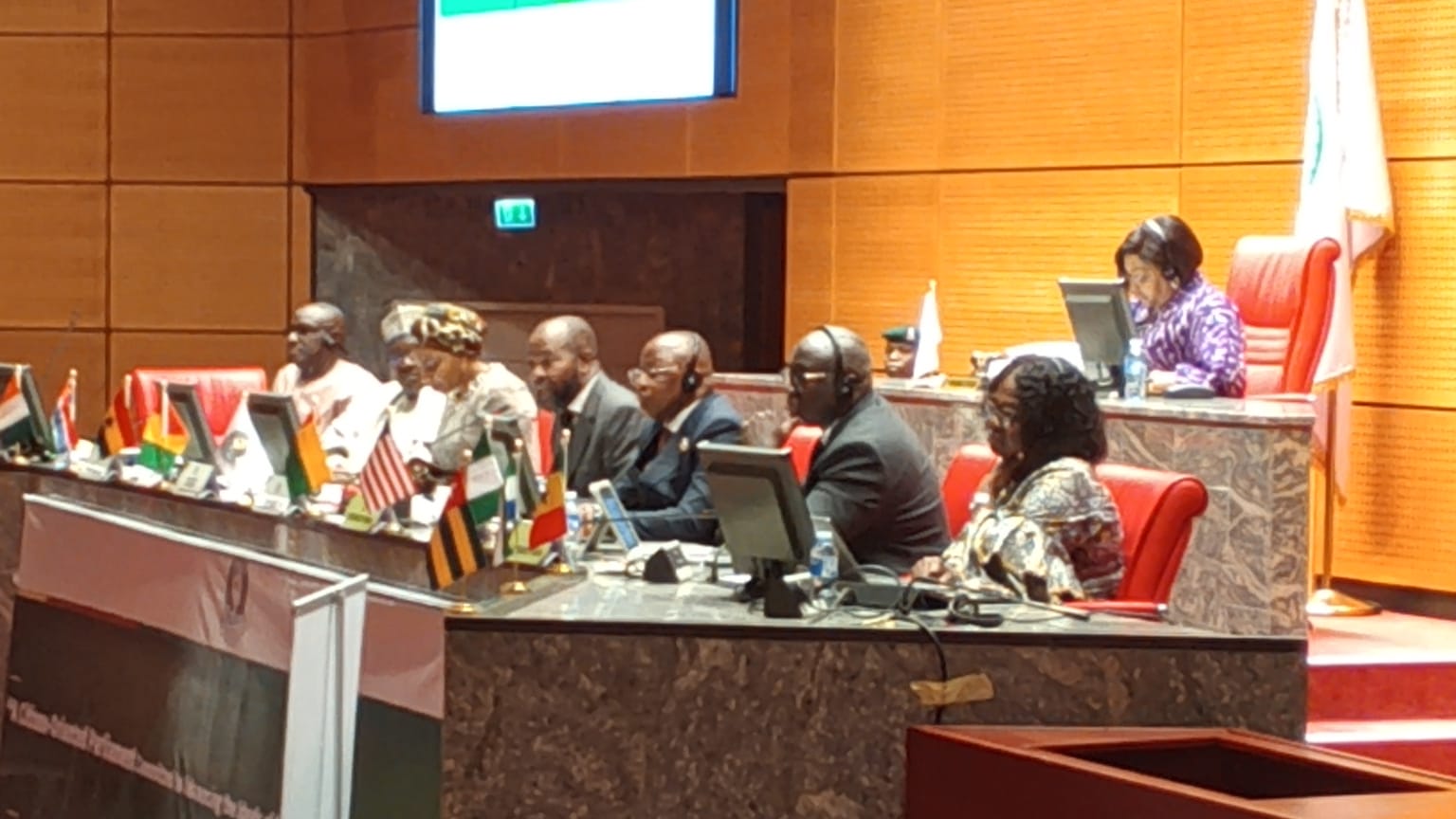
The ECOWAS Parliament, the Inter-Parliamentary Union (IPU) and the ECOWAS Commission have called for urgent and coordinated regional action against child trafficking and child labour in West Africa, warning that inadequate funding, weak law enforcement and poor social protection systems continue to expose children to exploitation.
The call was made in Abuja during a regional workshop on combating child trafficking and child labour, held as part of the 2026 Second Ordinary Session of the ECOWAS Parliament.
Speaking on behalf of IPU Secretary-General, Mr. Martin Chungong, the organisation’s Senior Programme Officer, Mr. Akiyo Afouda, described child trafficking and child labour as serious human rights violations threatening the economic and social development of West Africa.
“Behind the expressions of child trafficking and child labour are painful human realities. They are children deprived of education, exposed to exploitation, forced into dangerous jobs and sometimes abducted from their families and communities,” he said.
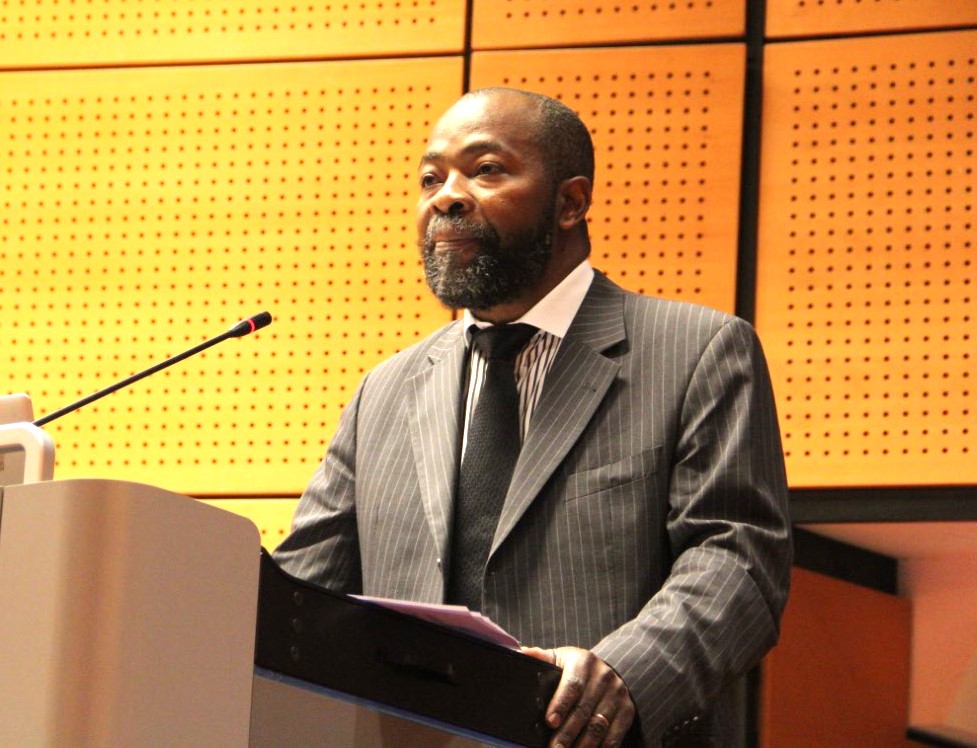
Citing 2025 estimates by the International Labour Organisation (ILO) and UNICEF, Afouda disclosed that approximately 138 million children worldwide were engaged in child labour, including 46.6 million in sub-Saharan Africa.
He identified poverty, insecurity, population displacement, economic disparities and inadequate social protection as major factors driving child exploitation, stressing that the cross-border nature of trafficking required stronger cooperation among ECOWAS member states.
Afouda challenged parliamentarians to move beyond adopting laws and resolutions by ensuring that political commitments translated into adequate budgetary allocations and measurable results.
“Parliaments must not limit themselves to adopting laws or supporting declarations of principle. They must also ensure that the commitments made are translated into political action, budgetary resources and measurable results on the ground. The true measure of your commitment does not lie in the number of resolutions adopted, but in the number of children effectively protected, in the number of children returned to school and in the number of children rescued from exploitation,” he noted.
Recalling the May 2023 engagement between the IPU and the ECOWAS Parliament, which featured IPU Secretary-General Martin Chungong and Nobel Peace Prize laureate Kailash Satyarthi, Afouda urged lawmakers to assess previous recommendations and strengthen parliamentary monitoring.
He proposed a regional parliamentary strategy anchored on sustained political commitment, stronger cooperation among national legislatures, effective oversight and a monitoring and evaluation mechanism.
The IPU representative equally called for joint parliamentary missions to vulnerable communities, stronger border monitoring, improved dialogue with local populations and adequate staffing of labour inspection services.
“You are the representatives of the people. You know your communities better than anyone. I would therefore encourage you to remain as close as possible to the people,” he added.
Enforce The Laws
For her part, the Speaker of the ECOWAS Parliament, Hajia Memounatou Ibrahima, called for stronger accountability and enforcement of existing laws, warning that inadequate resources and weak institutional coordination continued to undermine child protection.
“When a child is a victim of trafficking or subjected to labour that undermines his or her health, schooling or development, it means that the most basic human rights of that child are being violated,” she said.
Ibrahima observed that despite the adoption of several legal frameworks and regional commitments, a significant gap remained between policy declarations and the realities confronting vulnerable children.
“Some of the arrangements do not have the necessary means for their implementation. The sanctions provided by law are not systematically applied, and coordination across the region is not effective,” she said.
She urged national parliaments to strengthen legal frameworks, scrutinise government budgets and hold relevant authorities accountable for their child protection commitments.
“Our meeting today should give concrete content to the requirement for regular parliamentary monitoring. It will only achieve its goal if the discussions lead us to identifying priorities, clearly assigned responsibilities and realistic modalities for follow-up,” she said.
ECOWAS Commission: Alarming Figure
Also speaking, the ECOWAS Commissioner for Human Development and Social Affairs, Professor Nassirou Arifari Bako, disclosed that regional statistics covering 12,959 identified trafficking-related cases showed that 5,344 involved children.
“About 50 per cent of the population of West Africa is below the age of 18. This means that child labour and child trafficking are issues that affect a very significant proportion of our population. It is not just an abstract problem; it concerns the future of our region,” he said.
READ ALSO: ECOWAS Parliament Opens Second Ordinary Session
The Commissioner further disclosed that identified human trafficking victims increased by approximately 31 per cent between 2019 and 2022.
He identified insecurity and displacement in Burkina Faso, Mali and Niger as major factors increasing children’s vulnerability, with population movements extending towards coastal countries, including Côte d’Ivoire, Ghana, Benin and Togo.
Citing figures from his presentation, he said approximately 8,450 schools had been affected or lost in conflict-affected areas, while an estimated 4.1 million people had been displaced.
He warned that children deprived of education, separated from their families or denied basic social services were particularly vulnerable to trafficking, forced labour and exploitation.
Despite the challenges, Arifari Bako highlighted ECOWAS interventions, including humanitarian assistance, family reunification, victim support and programmes supported by development partners.
He disclosed that trafficking-related prosecutions and judicial decisions rose from 388 in 2024 to 515 in 2025 across 12 member states, while expressing concern that fewer than 10 per cent of West Africans benefited from social protection programmes, which received less than one per cent of the region’s GDP.
“With the magnitude of the challenges confronting our region, the resources currently being invested are clearly inadequate. We need the support of parliamentarians to make meaningful progress,” he said.
The Commissioner called for the integration of national social registries to improve data collection and information-sharing, as well as the establishment of victim-support funds at regional and national levels to provide rescued children with education, vocational training, psychosocial support and rehabilitation.
He also urged parliamentarians to use their oversight powers to visit communities affected by trafficking and child labour, assess government interventions and recommend corrective measures.
“We would like to appeal to you to use your oversight power to carry out oversight missions in the various countries on issues of social protection, human trafficking and child labour so that you can provide governments with recommendations,” he said.
The workshop called for a coordinated regional approach to combating child trafficking and exploitative labour, stressing the need for stronger laws, adequate funding, effective enforcement and sustained parliamentary oversight to make child protection a measurable government priority and secure West Africa’s future.

