African legislatures have been urged to use their legislative and political powers to enact and enforce laws that will dismantle entrenched barriers to women’s participation in politics.
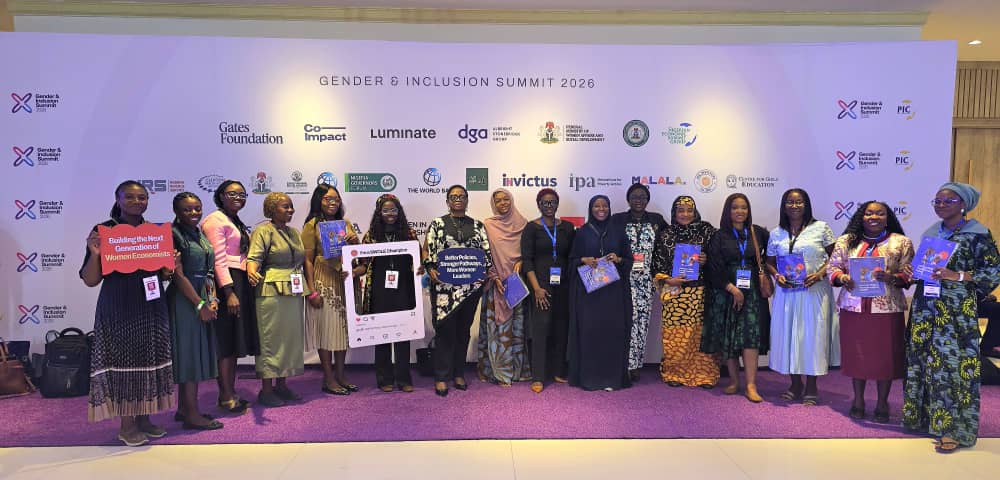
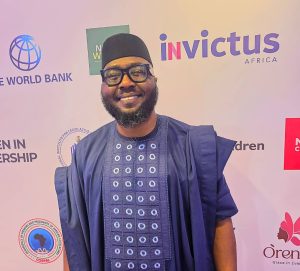
The Secretary-General of the Conference of Speakers and Presidents of African Legislatures (COSPA), Mr Dapo Oyewole, made the call in an exclusive interview with the Voice of Nigeria on the sidelines of the 2026 Gender and Inclusion Summit (GS-26) in Abuja.
The summit is themed “From Agenda to Actions: Making Innovations Count for the Last Mile”.
Oyewole said legislatures had the political and legislative authority to advance women’s inclusion by providing leadership, reforming electoral laws and compelling political parties to give women greater access to elective positions.
READ ALSO:Nigeria Urges Gender Inclusion in Global Energy Transition
He identified mandatory affirmative action, particularly at the nomination stage, as a key measure for addressing the persistent gap in women’s political representation.
“One is political leadership, galvanising the support that is needed at the very senior levels of government that will ensure that every agency of government is working in that same direction of ensuring that women are adequately represented,” he said.
Oyewole called for electoral reforms requiring political parties to ensure 50 per cent female participation at the nomination stage, citing Rwanda, South Africa and Senegal as examples of countries where legal provisions had strengthened women’s political representation.
“When they have enshrined this into law, it is now impossible for political actors to shut women out and when they are shut out, well, the law kicks in,” he said.
He said COSPA was working towards developing a framework to enable African legislatures to drive the implementation of the Maputo Protocol, particularly Article 9, which provides for women’s participation in political and governance processes.
Oyewole, however, said legislation alone would not be enough to close Nigeria’s persistent representation gap, noting that social, cultural, religious and economic factors continued to discourage many women from seeking political office.
“We need to bring in religious leaders. We need to bring in our traditional leaders as well to begin to get people, not just politicians, to think differently,” he said.
He also identified the high cost of obtaining party nomination forms, financing campaigns and providing adequate security as major barriers to women’s participation in politics.
Oyewole called for dedicated resources to support women seeking elective office, saying innovative approaches were needed to ensure that women had access to the resources required to participate effectively.
“We need to start thinking very differently. I would have mentioned it during my session, but we didn’t have much time, and we also have to create a front. We need to create resources that women can tap into to enable them to get there.”
He urged women to mobilise and support one another, while encouraging men to become stronger allies in advancing gender inclusion.
“If the society is not demanding it, then what is the value of the supply?” he asked.
Oyewole disclosed that COSPA was developing a gender-responsive legislative agenda framework and a scorecard to hold parliamentarians and parliamentary leaders accountable for improving women’s political representation.
He added that its Legislative Mentorship Initiative was grooming young Nigerians for future legislative leadership, with equal participation of men and women.
Oyewole urged Nigerian women not to be discouraged by persistent setbacks.
“I would say don’t look back. Look forward. Keep pushing. Keep driving. One day, it’s our time,” he said.