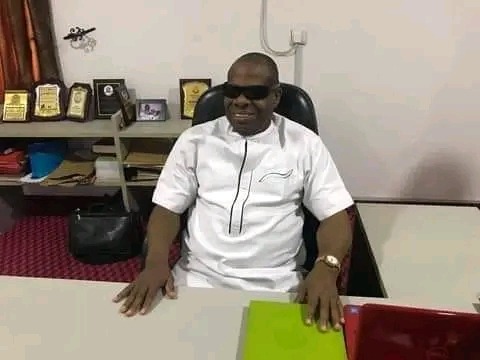
The Anambra State Disability Rights Commission has called for stronger efforts to create a society where people with learning disabilities are fully included, respected, and given equal opportunities to thrive.
The appeal was made by the Chairman of the Commission, Dr Chukwuka Ezewuzie, in a statement commemorating the International Week for Persons with Learning Disabilities, themed “Promoting Inclusion, Understanding, and Support for Persons with Learning Disabilities”.
Dr. Ezewuzie stressed the need for governments, institutions, families, and communities to work together in removing barriers that hinder the participation of persons with learning disabilities in society.
“We must build a society that recognises abilities rather than limitations and prioritises opportunities over barriers,” he said.
According to him, learning disabilities are neurological conditions that influence how individuals receive, process, store, or respond to information. He explained that these conditions may affect reading, writing, speaking, listening, reasoning, or mathematical skills but do not determine a person’s intelligence or future potential.
“Learning disabilities do not define intelligence or limit potential. With the right support, individuals with learning disabilities can excel and make meaningful contributions to society,” Ezewuzie stated.
The Commission’s chairman urged schools and educational institutions to adopt inclusive learning practices that accommodate students with diverse learning needs. He encouraged teachers to employ flexible teaching methods that promote active participation and create a sense of belonging among learners with disabilities.
He also called on parents and carers to provide consistent emotional support, recognise each child’s unique strengths, celebrate achievements, and avoid comparing children with others.
Ezewuzie emphasised that early diagnosis and intervention remain essential for improving learning outcomes, enhancing confidence, and enabling children with learning disabilities to reach their full potential.
Beyond the classroom, he urged communities to eliminate discrimination and social stigma by promoting the inclusion of persons with learning disabilities in education, employment, recreation, and other aspects of public life.
He further encouraged healthcare professionals, social workers, and disability advocates to strengthen collaboration in delivering services that improve communication, independence, and the overall well-being of people living with learning disabilities.
“Most importantly, we must listen to the voices of persons with learning disabilities. Nothing about them should be decided without their active participation,” he said.
Reaffirming the Commission’s commitment to disability inclusion, Ezewuzie called for sustained collective action to build a society where every individual, regardless of learning ability, is valued, supported, and empowered to contribute to sustainable development.