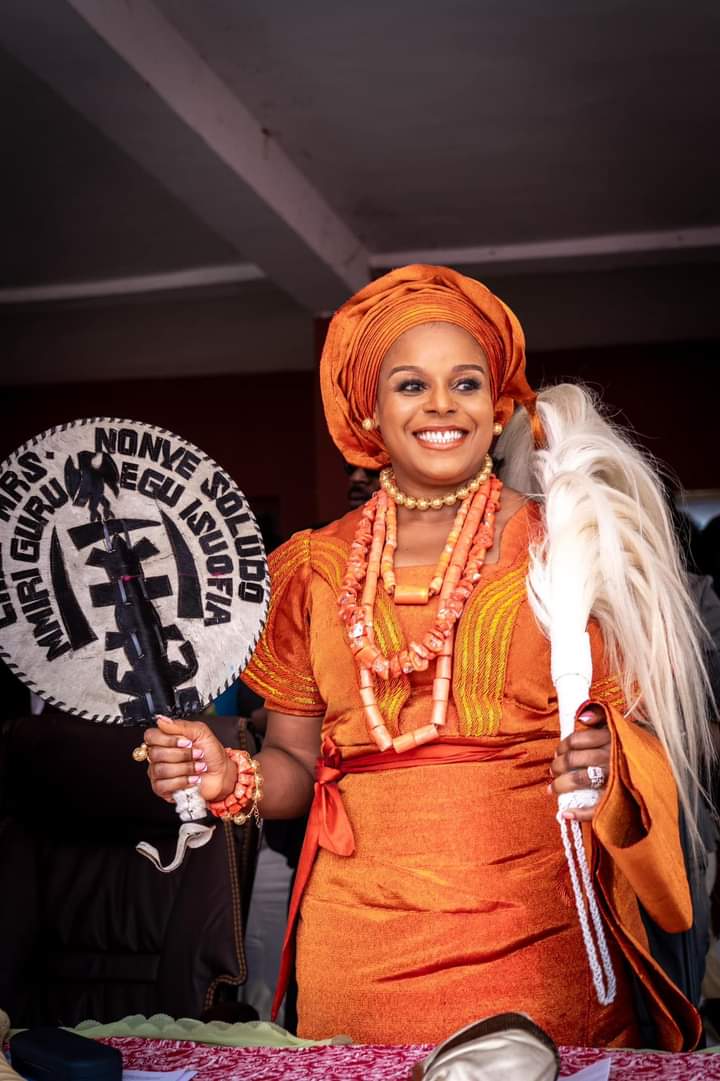
The Wife of the Anambra State Governor, Dr. Nonye Soludo, has called on Nigerians to preserve indigenous cultures, languages and traditional knowledge, describing them as critical to national identity, inclusive development and sustainable growth.
Dr. Soludo made the call in a statement issued through her Media Aide, Daniel Ezeigwe, to commemorate the 2026 International Day of the World’s Indigenous Peoples.
She said this year’s theme, “Honouring Indigenous Midwives: Safeguarding Life and Well-being,” recognises the important role of indigenous knowledge systems and traditional birth attendants in improving maternal and child health, while reinforcing the need to protect the rights and cultural heritage of indigenous peoples.
READ ALSO:Nestle, Lagos plant indigenous trees to preserve cultural heritage
Dr. Soludo said governments, communities and development partners should recognise indigenous knowledge as a valuable resource for advancing healthcare, nutrition, environmental sustainability and community development.
She noted that the Anambra State Government continues to promote the Igbo language, culture and traditions through policies and programmes aimed at encouraging younger generations to embrace their cultural identity.
According to her, the Healthy Living with Nonye Soludo initiative promotes healthy lifestyles through advocacy for nutritious indigenous foods, local agricultural practices and community-based wellness.
She said that traditional food systems and health practices remain important in disease prevention and improving public health outcomes.
Dr. Soludo urged parents, schools, traditional institutions and community leaders to work together to preserve indigenous languages, customs and values, warning that the continued erosion of cultural heritage could weaken social cohesion and undermine national identity.
She congratulated indigenous communities in Nigeria and across the world on the occasion and reaffirmed her commitment to advancing initiatives that promote cultural preservation, healthy living and the well-being of families and communities.
Dr. Soludo also called for greater recognition of indigenous knowledge as a valuable resource for inclusive development and national progress.