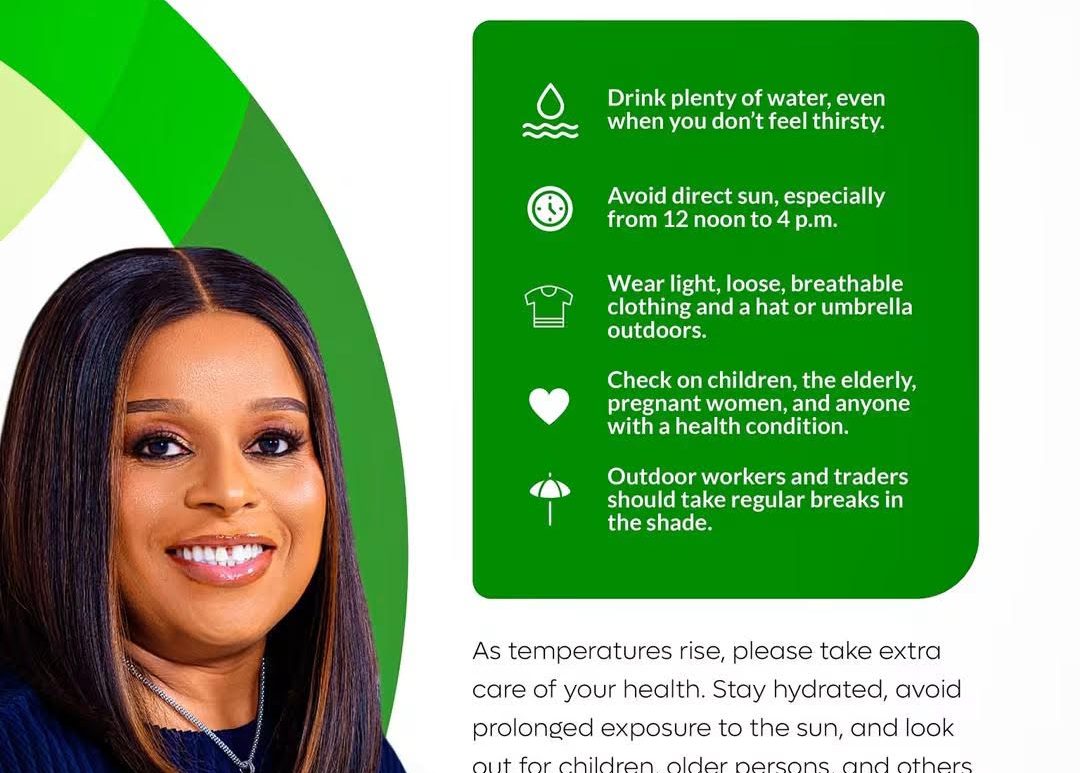
Anambra State First Lady, Dr Nonye Soludo, has urged Nigerians to adopt preventive measures against extreme heat, warning that rising temperatures pose public health risks, particularly to children, older people and persons living with chronic illnesses.
Soludo, wife of Governor Chukwuma Soludo and Founder and Chief Executive Officer of Healthy Living with Nonye Soludo, gave the advice in a public health message, calling for increased awareness of heat-related illnesses and practical steps to protect vulnerable populations.
“As we head deep into a period of increased heat, I encourage every family to take simple but important precautions to protect their health,” she stressed.
READ ALSO: Nigeria Urges States to Sustain Primary Healthcare Centres

She advised Nigerians to drink sufficient water, wear light clothing, avoid prolonged exposure to direct sunlight and keep their homes well ventilated to reduce the risk of heat-related illnesses.
Soludo specifically urged families to pay attention to older people, babies and persons living with hypertension, diabetes or kidney disease, noting that these groups might be more vulnerable to complications associated with extreme heat.
A heatwave is a prolonged period of unusually high temperatures that can cause dehydration, heat exhaustion and potentially fatal heatstroke. Extreme heat can also worsen existing conditions, including heart and kidney diseases, placing additional pressure on individuals, families and healthcare services.
The health risks underscore the importance of public education, early recognition of symptoms and access to timely medical care, particularly in communities where safe drinking water, adequate ventilation and healthcare services may be limited.
Soludo encouraged Nigerians to check regularly on vulnerable relatives and neighbours, especially during periods of intense heat, to identify signs of illness and ensure prompt assistance.
“Also, check on your loved ones, especially in the mornings and evenings. If anyone shows signs of severe heat illness, move them to a cool place, begin cooling their body, and seek emergency medical attention immediately,” she advised.
Warning signs of heat exhaustion include heavy sweating, weakness, dizziness, headache and nausea. Heatstroke is a medical emergency that may cause confusion, seizures or loss of consciousness and requires immediate emergency assistance and rapid cooling while medical help is on the way.
The Anambra First Lady also advised parents and caregivers never to leave children in parked vehicles and urged people to limit strenuous outdoor activities during the hottest periods of the day.
She called for sustained public health education to help households recognise heat-related risks and adopt preventive practices, stressing that timely intervention and simple precautions could reduce avoidable illnesses and deaths.
“Anambra’s Emergency Line is still 112. Remember that a little caution today can save a life tomorrow,” Soludo reminded residents.
The advisory highlights the need for coordinated public health awareness as communities face periods of high temperatures. Health education, access to safe drinking water, appropriate housing and ventilation, and responsive emergency services are important measures for reducing heat-related health risks across Nigeria.