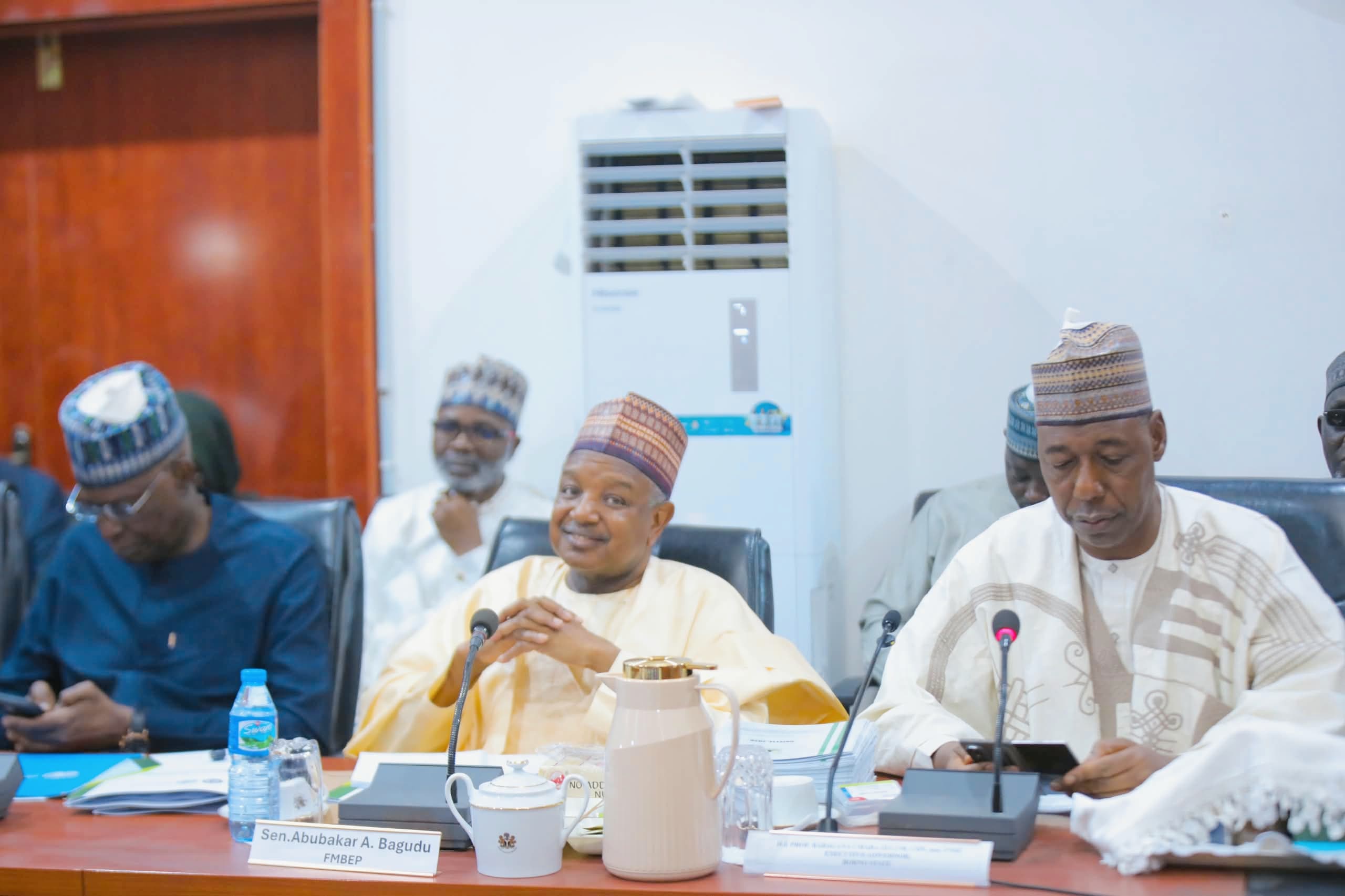
The United Nations, Borno State Government and development partners have reviewed efforts to transition the state from prolonged humanitarian intervention to sustainable recovery, resilience and long-term development.
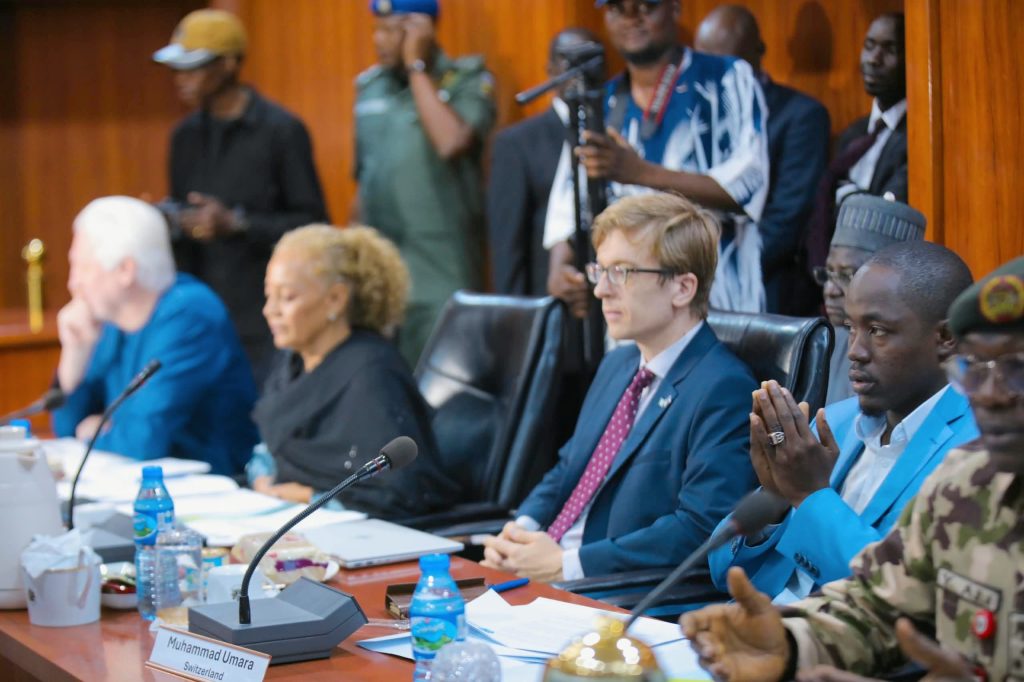
The review took place at the fourth meeting of the Project Board of the United Nations Offer in Support of the Borno Model and the Steering Committee of the Peacebuilding Fund in Maiduguri.
Speaking at the meeting, the UN Resident and Humanitarian Coordinator, Mr Mohamed Malick Fall, said the engagement demonstrated what could be achieved when government, donors and UN agencies worked together towards a common objective.
Fall said the challenges of conflict, displacement, reintegration and recovery could not be addressed by a single institution, stressing the need for sustained partnership, coordination and collective action.
He said the emergence of a legal foundation for the Borno Model represented a major political step that could help institutionalise gains recorded through the intervention.
READ MORE: Borno State Government allocates Land for RUGA Programme
“These realities reinforced the importance of the UN Offer and Peacebuilding Fund in supporting vulnerable populations, strengthening institutions and creating pathways from humanitarian needs towards recovery, peace and development,” Fall emphasised.
He expressed the readiness of the United Nations to continue working with the Nigerian Government, Borno State Government, communities and development partners to transform the Borno Model from a programming experience into a sustainable, state-owned institutional framework.
Speaking on the significance of the Borno Model, the Minister of Budget and Economic Planning, Mr Abubakar Atiku Bagudu, described it as a reflection of Governor Babagana Umara Zulum’s leadership and a unique, first-of-its-kind model that brings development partners together.
Bagudu said the model recognised that Nigeria was a federation where different parts of the country had different opportunities and faced different challenges.
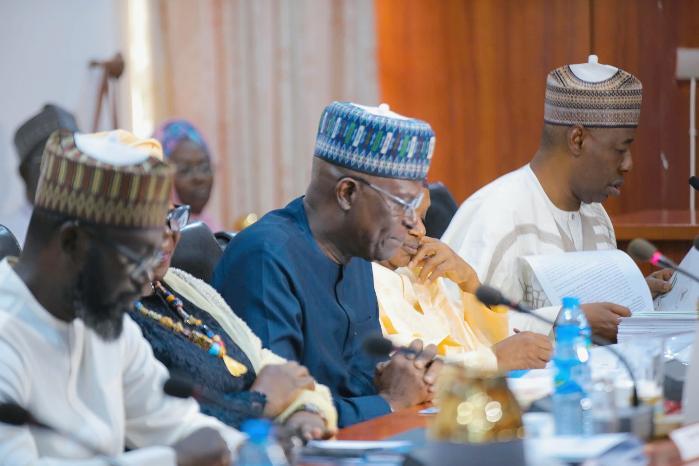
He said Governor Zulum had encouraged development partners, led by the United Nations, to work together towards a common approach.
The Minister said the objective was to develop a common funding mechanism and shared understanding capable of addressing Borno’s challenges while providing a model that could be replicated in other parts of Nigeria and beyond.
He also highlighted the presentation of the Borno Model’s legal framework during the meeting, describing it as another major milestone.
In his remarks, Borno State Governor, Professor Babagana Umara Zulum, appreciated the United Nations and development partners for convening the high-level meeting in Maiduguri.
He said the progress recorded in Borno was a product of partnerships among the State Government, Nigerian Government, United Nations, development partners and communities.
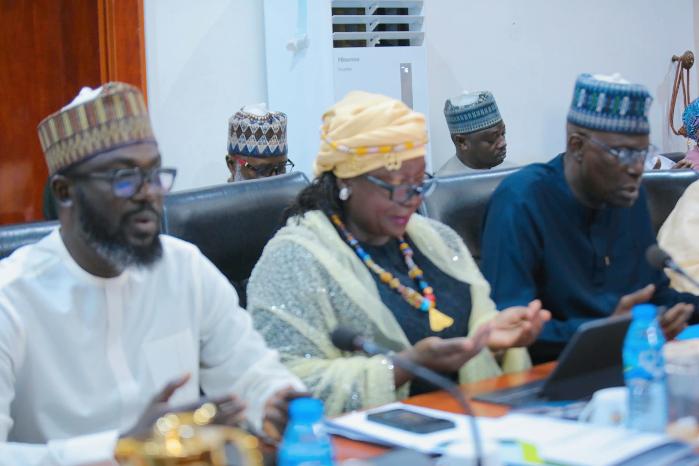
Zulum said the development of the Borno Model Legal Framework was an important step towards establishing a stronger foundation for peace, recovery, social cohesion and development, with lessons that could extend beyond the state.
The Governor said investments in infrastructure, skills and enterprise development could reposition Borno State from being viewed primarily through the lens of crisis to becoming a centre of economic opportunity in the North-East.
According to him, the Borno State Government had, over the past seven years, spent more than 70 per cent of its budgets on security, management of internally displaced persons and refugees, as well as rebuilding communities affected by the insurgency.
Earlier, the UNDP Resident Representative, Elsie G. Attafuah, said holding the meeting in Borno brought the discussions closer to the people, communities and institutions behind the statistics and reports being reviewed.
She commended Governor Zulum’s leadership, persistence and commitment to the people of Borno, saying the Borno Model was increasingly moving from an ambitious idea into systems, institutions and tangible results.
The meeting reviewed the conclusion of the Peacebuilding Fund project and ongoing programmes under the UN Offer, while considering priorities for the next phase covering 2026 to 2028.