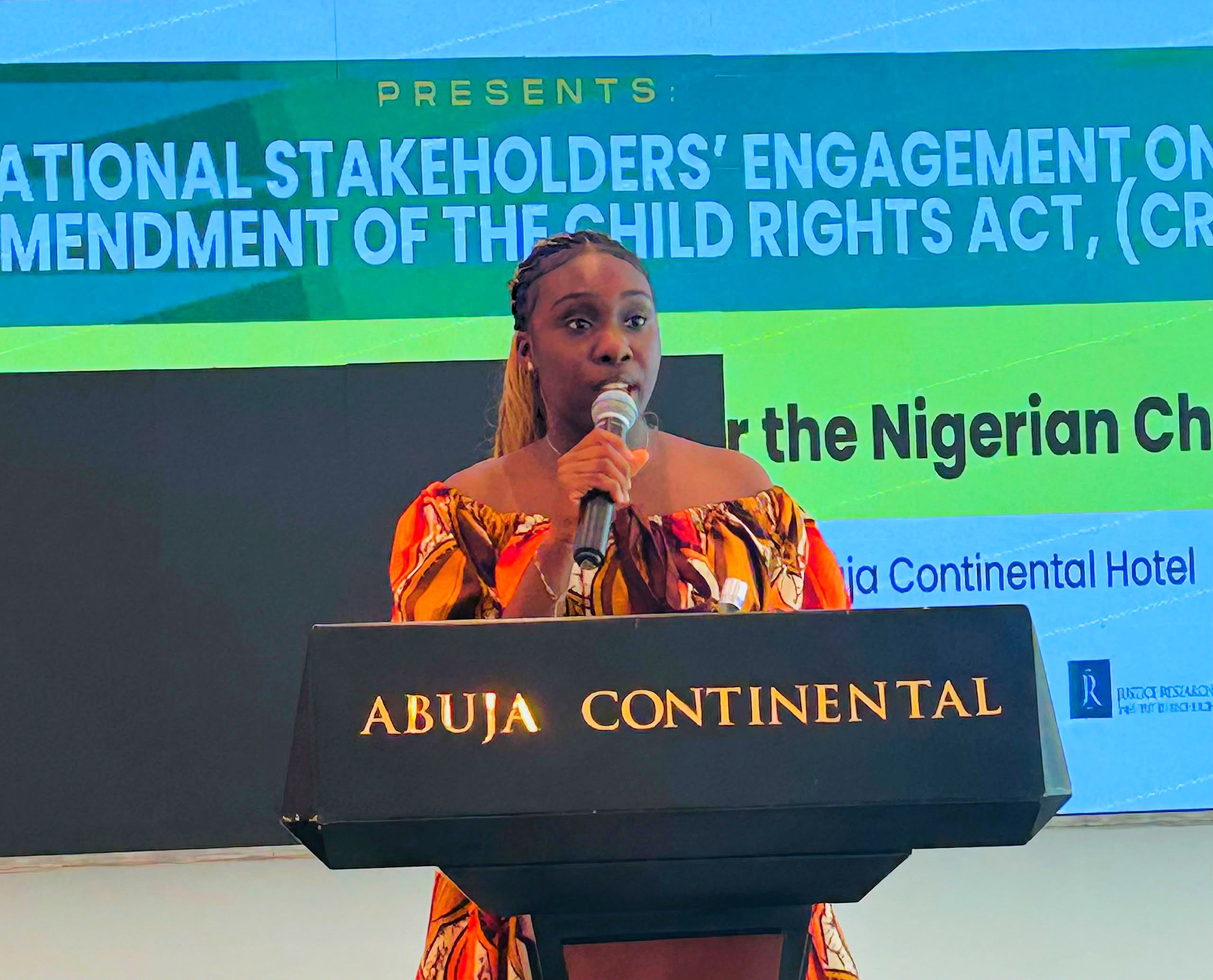
The Speaker of Nigeria’s National Children’s Parliament, Progress Umoh, has called for the formal recognition and funding of Children’s Parliaments at local government, state and national levels in the proposed amendment of the Child Rights Act (CRA, 2003).
Umoh made the call at the National Stakeholders’ Engagement on the Review and Amendment of the CRA in Abuja, saying meaningful participation of children in decisions affecting their lives must extend beyond occasional consultations.
“If we genuinely believe that children should participate in decisions concerning their lives, then participation cannot remain concentrated at the national level, or depend on occasional programmes and consultations. Participation starts where a child is.”
READ ALSO: Nigeria Begins Review of Child Rights Act
She proposed that the reviewed law should establish corresponding Children’s Parliaments at local government and state levels, with defined responsibilities for consultation, deliberation, policy recommendations, community outreach, monitoring and feedback.
Umoh called for dedicated and sustainable funding for the parliaments, including resources for sittings, consultations, capacity building and outreach.
“An unfunded right can become a right that exists beautifully on paper and poorly in real life.”
She further proposed a child-focused statutory coordinating mechanism to strengthen referrals and accountability across institutions, ensuring cases involving children are tracked until resolved.
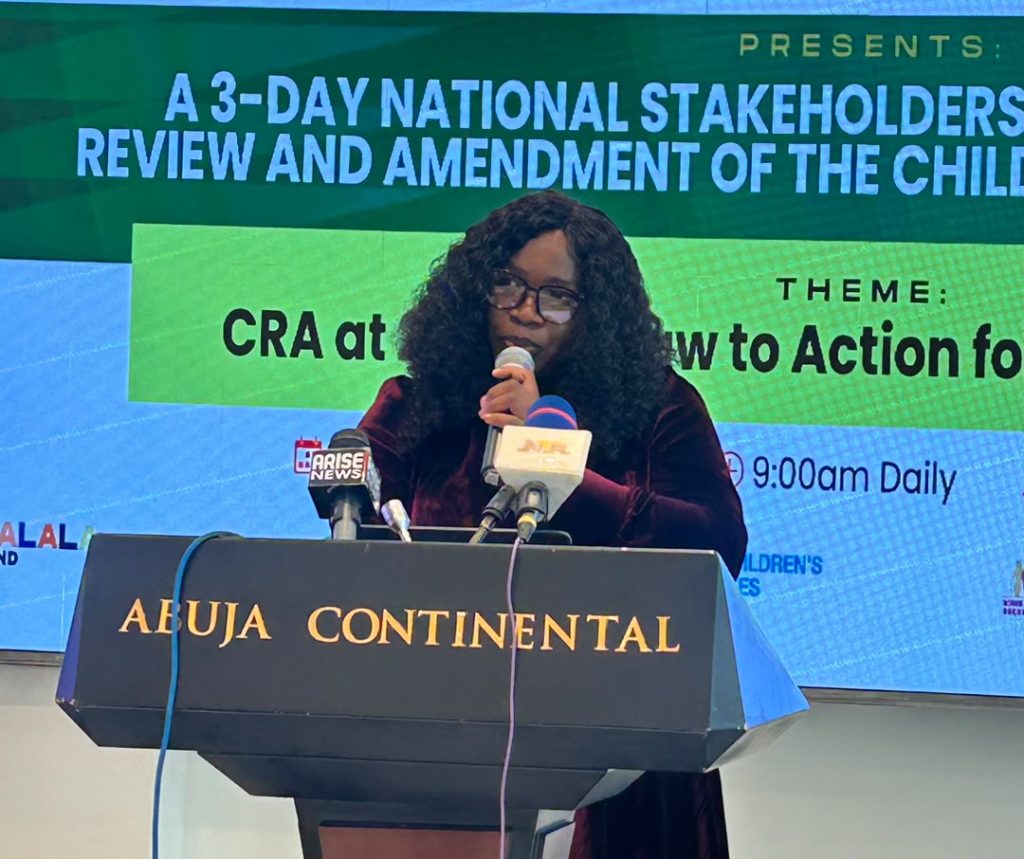
Also advocating stronger family-based protection, the Policy and Advocacy Coordinator, SOS Children’s Villages Nigeria, Ritarilla Barick Yusuf, said the review provides an opportunity to strengthen legal recognition of alternative care and prevent unnecessary separation of children from their families.
“For us, it is important that the reviewed Act prioritises the prevention of unnecessary family separation and recognises the importance of family-based and community-based care, including kinship care, foster care and adoption. Poverty alone should never be a reason to separate a child from their family.”
Yusuf said residential or institutional care should only be considered as a last resort after family and community-based alternatives, with effective oversight and accountability for care providers.
Children in Conflict Zones
Meanwhile, Deputy Speaker of the National Children’s Parliament, Ibrahim Zanna Sunoma, highlighted the plight of children affected by conflict, particularly in Bama Local Government Area of Borno State.
Reflecting on his childhood experience in Bama, Borno State, Sunoma said insecurity disrupts education and shatters childhood experiences in conflict-affected communities.
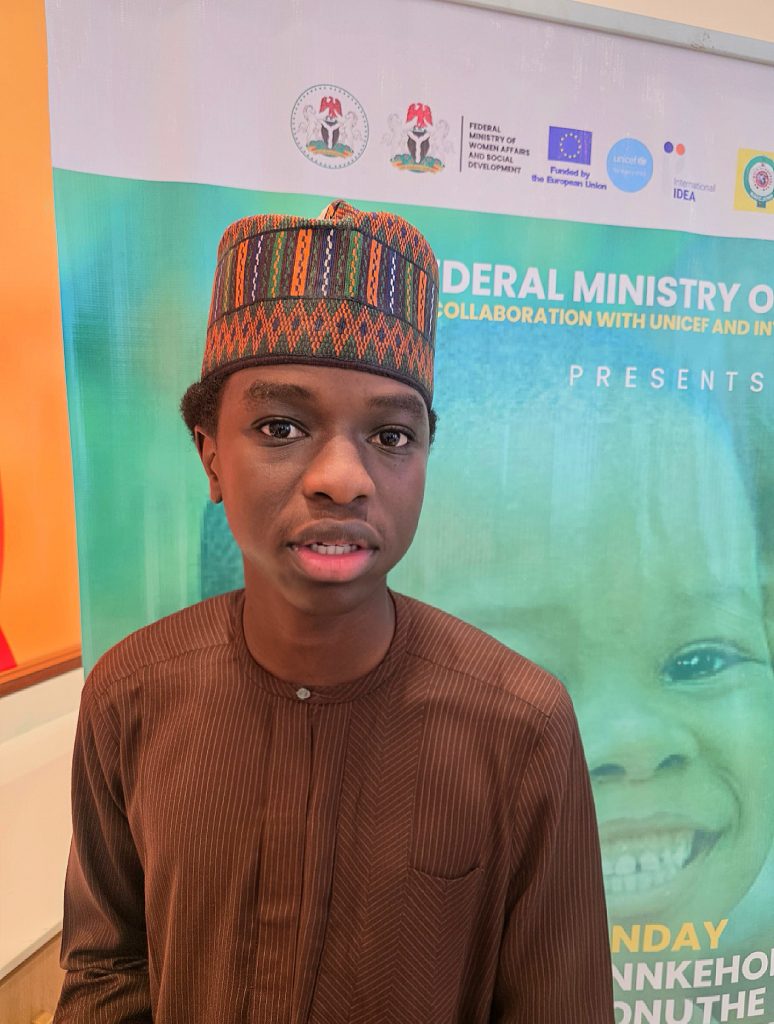
He urged the government to prioritise protection and continuity of education during emergencies, stressing that children should not bear the consequences of violence.
“What children need during conflict is number one: that their education is not disrupted.”
The recommendations highlight the need for the reviewed CRA to move beyond legal recognition of rights by creating practical mechanisms for child participation, family preservation, coordinated protection services and uninterrupted education for vulnerable children, particularly those affected by emergencies.