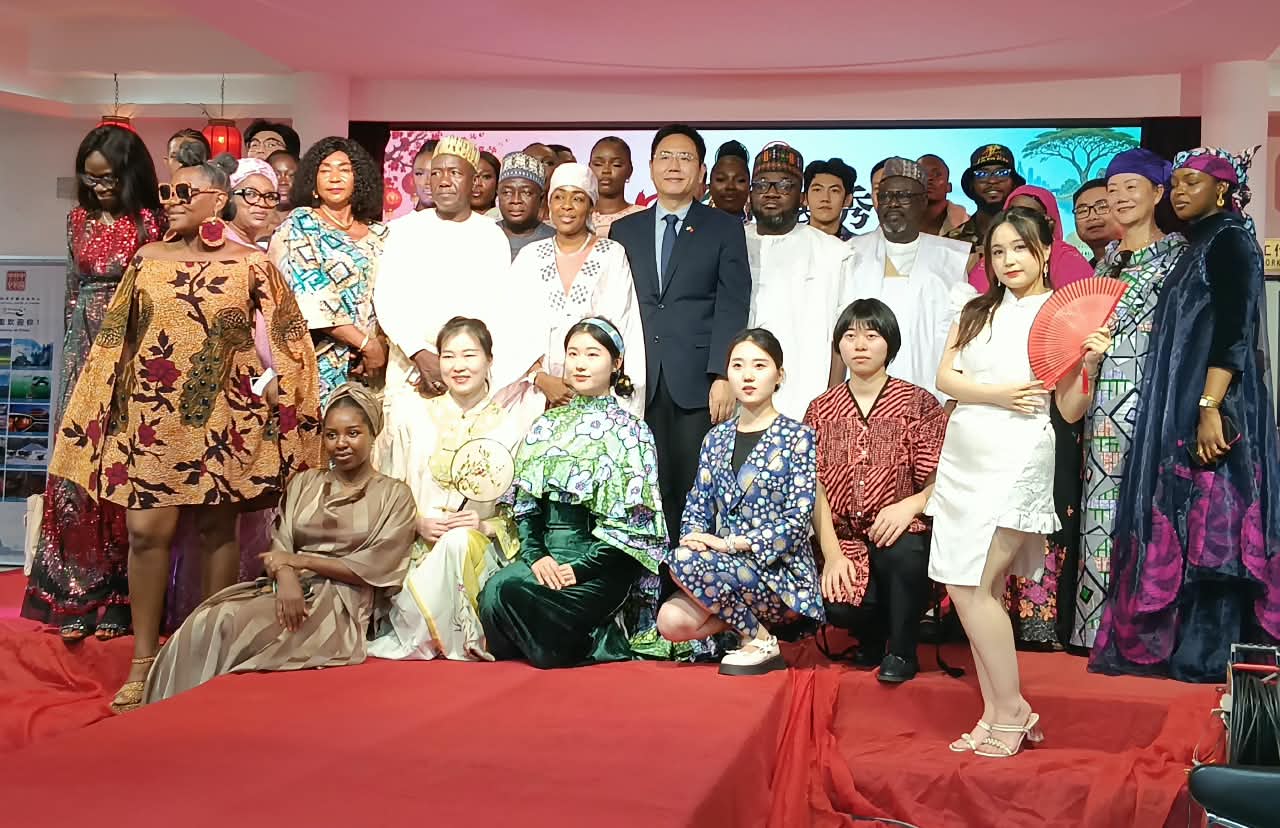
China and Nigeria are exploring greater cooperation in the fashion and creative industries, with a fashion show in Abuja providing a platform for cultural exchange between the two countries.
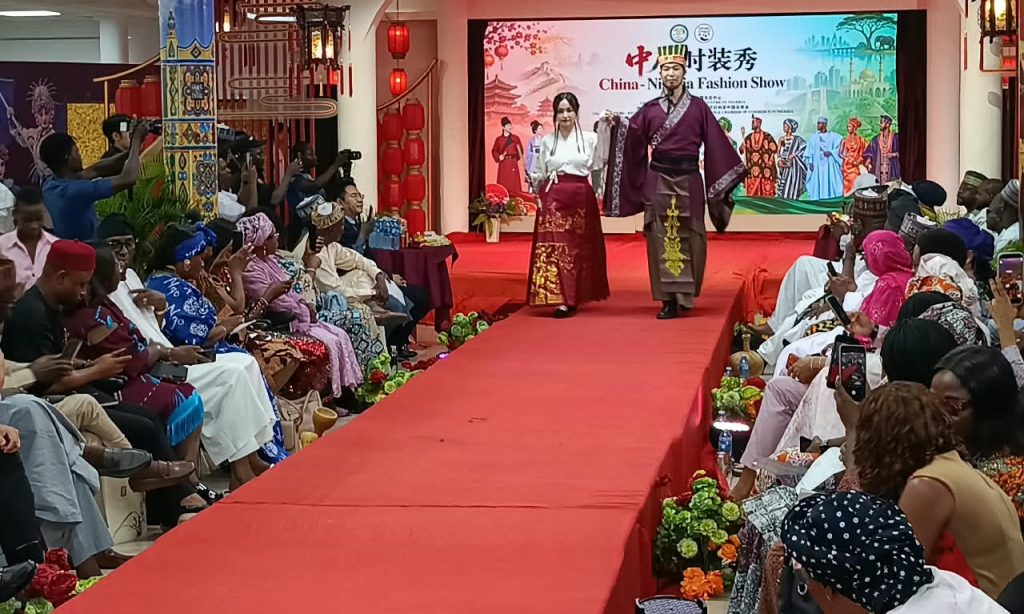
The China-Nigeria Fashion Show, organised by the China Cultural Centre and other partners, featured fashion and cultural expressions reflecting the traditions of both countries.
Speaking at the event, the Director, China Cultural Centre in Nigeria, Yang Jianxing, said; “fashion provided an avenue for Nigerians and Chinese to appreciate each other’s cultural heritage while creating opportunities for cooperation.”
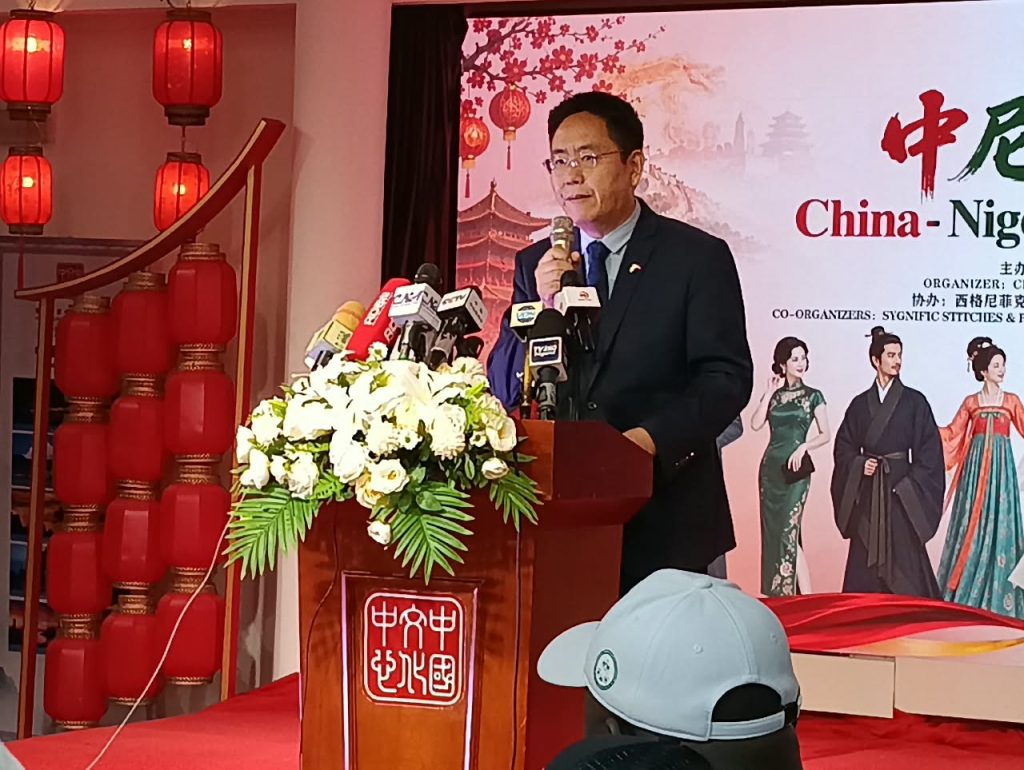
He said clothing had evolved beyond its conventional function to become a means of communicating the identity and values of different civilisations.
According to him, “the fashion show brought Chinese and Nigerian traditions together through design, textiles, colours and craftsmanship.”
“Clothing is more than just attire; it is a vibrant vehicle for civilization and a universal cultural language that transcends geography. Today, we are not merely watching a fashion show that combines cultural depth with artistic beauty; we are witnessing a profound dialogue on the runway between two ancient yet dynamic civilizations,” he said.
Jianxing explained that Chinese fashion has developed through centuries of cultural evolution, pointing to traditional forms such as Hanfu, Tang-style attire, Qipao and the increasingly popular Mamianqun.
He similarly acknowledged Nigeria’s diverse fashion heritage, including Yoruba Aso-Oke and Agbada, as well as Buba, Iro and Gele, which he said reflected the country’s ethnic diversity and cultural traditions.
He said interaction between the two fashion cultures could stimulate innovation and create opportunities for cooperation within the creative economy.
“Each exquisite garment on display embodies a shared vision: that multicultural exchange does not create barriers but rather fosters inclusive, forward-looking fashion trends, these exchanges would inject fresh momentum into the fashion industries of both countries while strengthening the bond between their peoples,” he said.
Jianxing reiterated China’s continued commitment in supporting channels for people-to-people exchanges and practical cooperation in the cultural sector.
“Moving forward, we will continue to expand channels for people-to-people exchange, deepen practical cooperation across various sectors, and celebrate the profound friendship between China, Africa, and Nigeria,” he added.
Creative Sector Opportunities
Also speaking, the Permanent Secretary, Ministry of Art, Culture, Tourism and Creative Economy, Abdulkarim Ibrahim, represented by a Director in the ministry, Mohammed Tukura, said Nigeria’s creative sector could benefit from increased international engagement.
“Fashion remains a powerful tool for cultural exchange, economic growth, and mutual understanding among nations. It bridges gaps, fosters friendships, and creates opportunities for shared prosperity,” he said.
Tukura said Nigeria had a vibrant fashion industry involving designers, artisans, young creatives and entrepreneurs, while China had a rich cultural heritage and creative industry.
“Bringing these two creative communities together creates the opportunity for collaboration, knowledge exchange, innovation, and economic growth,” he said.
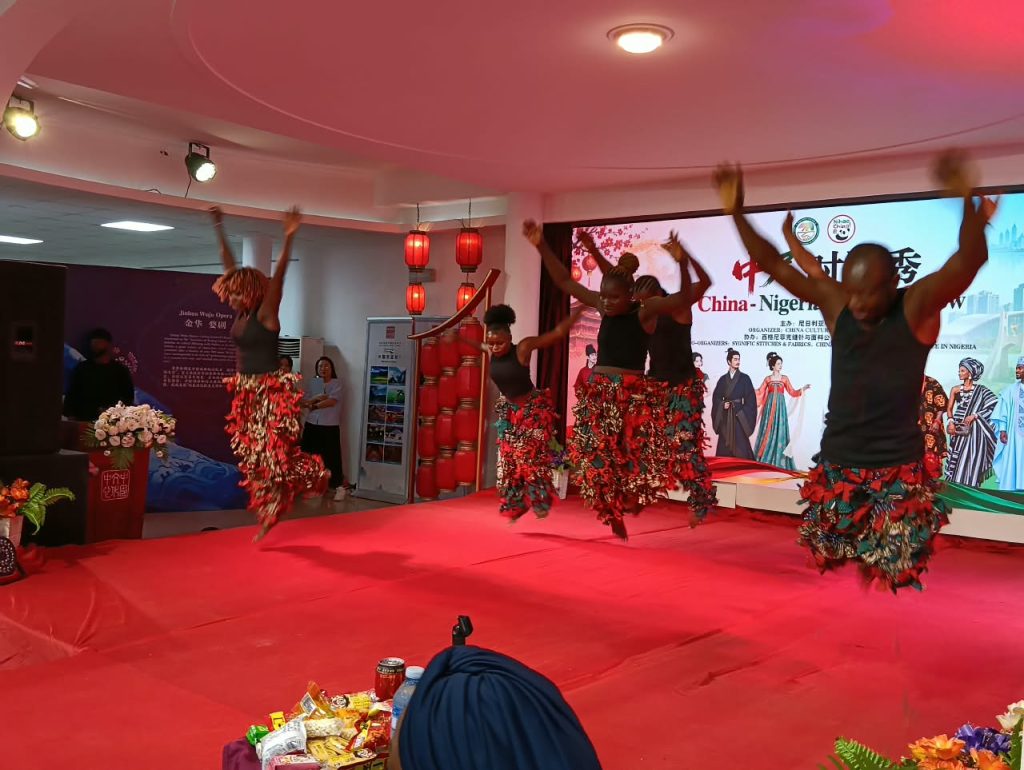
He reaffirmed the ministry’s commitment to creating platforms through which Nigerian creative talents could connect with international partners and audiences.
The Director, Culture and Traditional Affairs, City Boy Movement, Binta Muazu, said cultural diplomacy extended beyond formal agreements between governments.
She described Nigeria’s textiles, colours and craftsmanship as important elements of the country’s cultural heritage.
“Agreements between governments matter, but the friendship that endures is the one built between people. Our textiles, our colors, our craftsmanship, our traditions—these are treasures. They deserve to be seen and celebrated far beyond our shores,” she said.
Muazu said fashion was particularly suited to promoting cultural understanding because it could communicate across linguistic and geographical boundaries.
“Fashion carries them better than almost anything else, because clothing speaks a language that needs no translation,” she said.
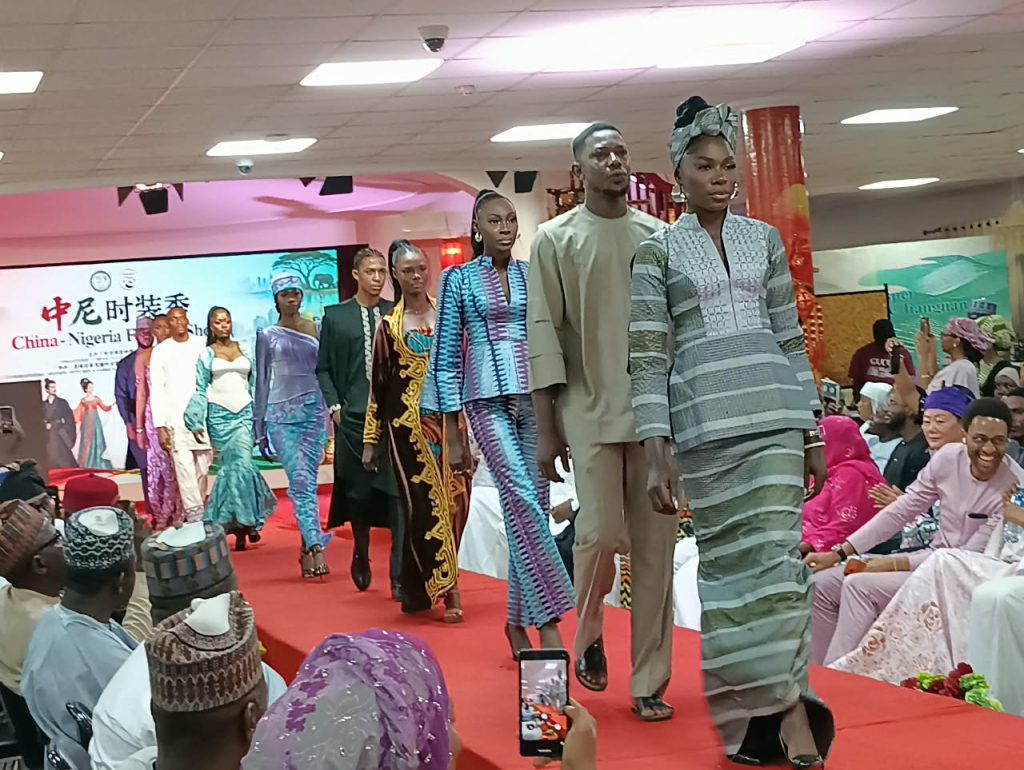
Fashion Brand Highlights Creative Enterprise
The event also featured Nigerian fashion brand Signifique Stitches, which Muazu said was established in 2020 and had grown from a small operation into a fashion house combining traditional Nigerian textiles with contemporary designs.
She used the example to encourage young Nigerians in the creative sector not to be discouraged by humble beginnings.
“Where you begin does not determine where you will finish. What you have today is enough to start with,” she said.
Muazu called for more platforms to connect Nigerian creatives with international markets and partners, saying such initiatives could contribute to job creation and the growth of the creative economy.
The event brought together government representatives, members of the diplomatic community, fashion industry stakeholders, designers, models and media representatives.