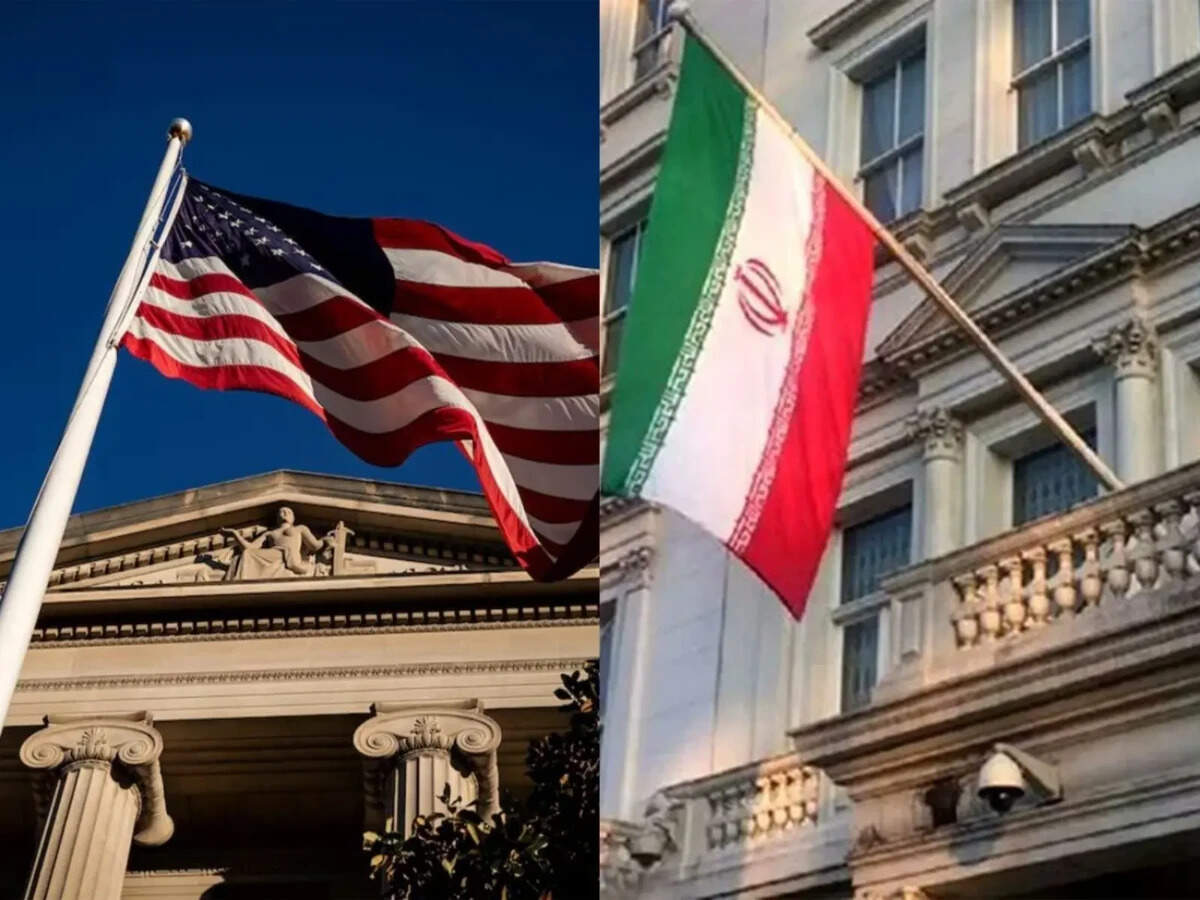
The peace framework agreement between the United States and Iran is expected to have mixed economic implications for African countries, offering relief from inflationary pressures while potentially reducing revenues for oil-producing nations.
In an interview with the Voice of Nigeria (VON), an economist and the Chief Executive Officer of the Centre for the Promotion of Private Enterprise (CPPE), Dr. Muda Yusuf said the diplomatic breakthrough could influence energy prices, trade flows and supply chains across the continent.
Impact on Energy Markets
According to Dr Yusuf, the preliminary agreement, facilitated by Pakistan and Qatar, has already triggered a decline in global oil prices following confirmation that the framework had been concluded and the U.S. naval blockade would be lifted.
Brent crude fell by more than four per cent to about $83 per barrel on Monday, retreating from highs recorded during the conflict.
Dr Yusuf said lower crude prices could ease energy costs and inflationary pressures in many African countries.
He said; “The impact will be mixed, because a reduction in crude oil prices as a result of the peace deal will bring down energy prices in all these economies.
“The cost of petrol has increased, the cost of diesel, the cost of fuel, the cost of gas. For businesses and citizens, this may imply a reduction in energy costs across these products.”
Dr Yusuf, however, noted that lower oil prices could reduce earnings for oil-producing countries such as Nigeria, Angola and Algeria.
“From a revenue or fiscal side, this may mean a reduction in revenue for oil-producing countries because higher oil prices had improved earnings from crude exports,” he added.
Trade, Supply Chains
The Economist also said the planned reopening of the Strait of Hormuz, a major global oil transit route, would help ease supply chain disruptions and reduce operating costs for businesses.
“Once those barriers are removed, the supply chain challenges that have been contributing to production and operational costs in Africa and many other economies will also be reduced.
“So from the energy supply perspective and from the supply chain perspective, it is going to be extremely beneficial for African economies, including Nigeria,” he explained
Lessons for Conflict Resolution
The CPPE chief urged African leaders and regional organisations, including the African Union and ECOWAS, to embrace dialogue and diplomacy in resolving conflicts.
He said; “It is always better to adopt diplomatic solutions to any crisis because the use of military force does more damage than good.”
Dr Yusuf expressed optimism that the agreement would hold, although he identified regional tensions involving Israel as a potential risk to its long-term sustainability.
The Memorandum of Understanding underpinning the agreement is scheduled to be signed in Switzerland on June 19.