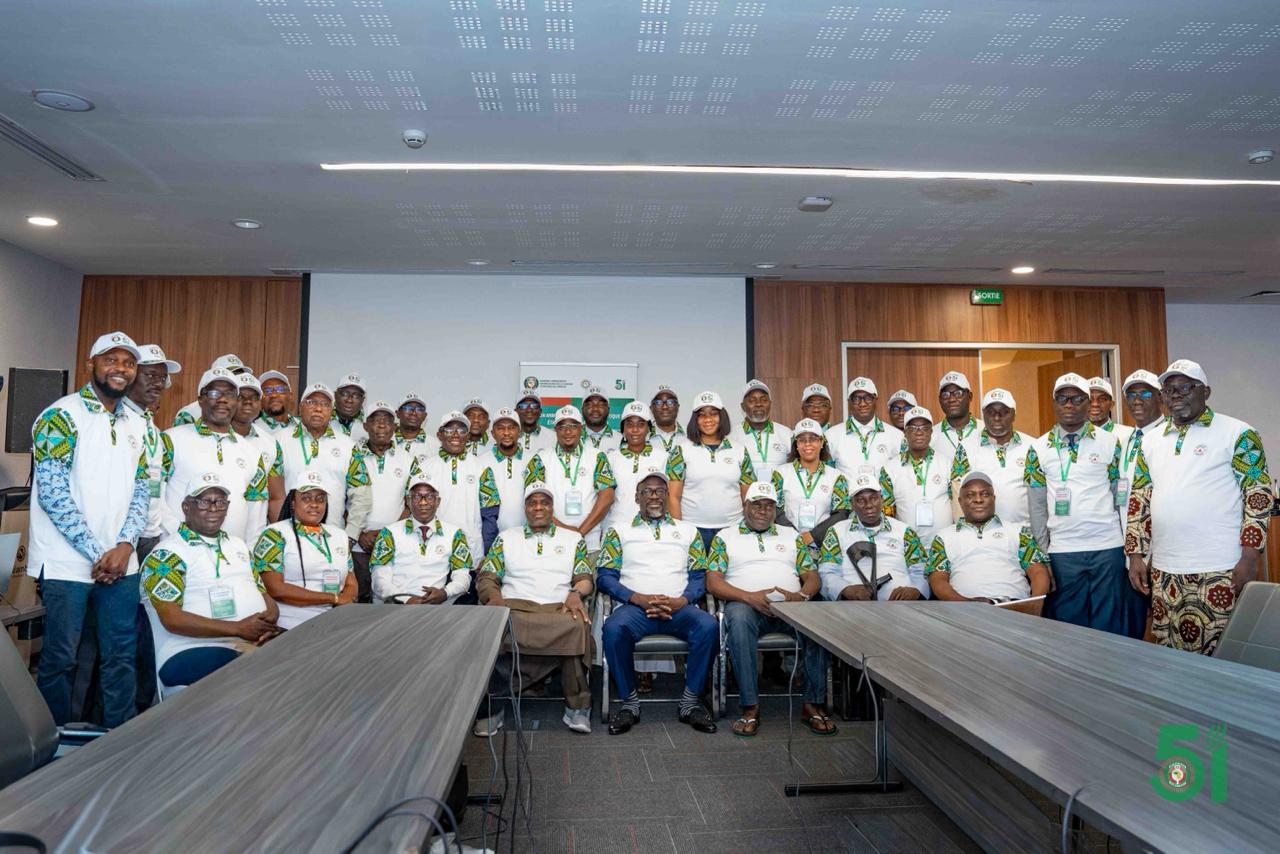
The Economic Community of West African States (ECOWAS) Commission has concluded a meeting of Directors-General of the National Statistical Institutes of its member states in Dakar, Senegal, as part of efforts to implement the ECOWAS Statistical Policy and strengthen regional data harmonisation.
The meeting brought together heads of national statistical institutes from ECOWAS member states to advance the implementation of the regional statistical policy, which seeks to harmonise national statistical systems across the bloc.
According to the Commission, the policy is designed to improve the production of reliable, comparable and timely statistical data to support evidence-based public policymaking and deepen regional integration.
The Commission noted that strengthening cooperation among national statistical institutions remains essential to enhancing the quality and consistency of data used for planning, monitoring and decision-making across West Africa.
READ ALSO: ECOWAS Promotes Women’s Inclusion in Regional Governance
The Directors-General of the National Statistical Institutes, experts from the ECOWAS Commission, and representatives of technical and financial partners assessed the progress made in implementing the Regional Statistical Program (2023–2027) and the PHASAO and PHASAOC projects.
“Participants also reviewed several strategic methodological documents designed to strengthen the quality, consistency, and comparability of official statistics produced in member states.”
At the conclusion of the meeting, the Directors-General approved several regional methodological guides intended to serve as common references for the production of official statistics within the ECOWAS region.
These include the Methodological Guide for the Industrial Production Index, IPI, the Methodological Guide for the Business Register, RSE and the Methodological Guide for Public Debt Statistics.
“Participants also reviewed the Methodological Guide for the Table of Government Financial Transactions (TOFE-ECOWAS) as well as the guides on Quarterly National Accounts (QNA), for which they made recommendations with a view to their finalisation and harmonised implementation.”
The meeting also provided an opportunity to review progress on regional statistical modernisation projects, challenges related to the transition to the System of National Accounts 2008, the development of quarterly national accounts, the strengthening of statistical business registers, and the integration of new technologies and innovative data sources into statistical production.
These results mark an important milestone in the implementation of the ECOWAS Statistical Policy.
“The validated guidelines will help enhance the quality, comparability, and availability of official statistics needed to monitor Community policies, achieve macroeconomic convergence, and deepen regional integration”.
The ECOWAS Commissioner for Economic Affairs and Agriculture, Dr. Kaliou Sylla, represented by the Acting Director of Research and Statistics at the ECOWAS Commission, Professor N’Zué Félix Fofana said “Data today is a lever for sovereignty, economic transformation, and regional integration,” thereby underscoring the strategic role of statistics in the development of evidence-based public policies and in the realisation of ECOWAS’s Vision 2050.
The Directors-General also made several recommendations to the member states and the ECOWAS Commission.
“These include the gradual adoption of validated methodological guidelines, capacity building for national statistical systems, the adoption of the legal instruments necessary for the implementation of regional standards, support for member states in their transition to the 2008 SNA, and the development of digital solutions and technical cooperation mechanisms to accelerate statistical harmonization in the region”.
The participants at the meeting reaffirmed their commitment to translating the adopted recommendations into concrete actions and to continuing to strengthen regional cooperation in order to equip ECOWAS with a harmonised, modern, and efficient statistical system capable of effectively supporting public policies, monitoring community programs, macroeconomic convergence, and the implementation of ECOWAS Vision 2050.