Minister of Education, Dr. Moruf Olatunji Alausa, has called for stronger school feeding programmes, nutrition education and improved school health services to tackle child malnutrition in Nigeria.
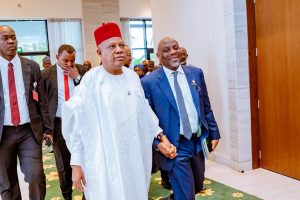
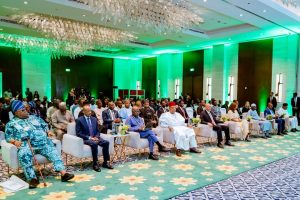
Alausa made the call at the Ethiopia–Nigeria Leadership Exchange on Moving the Needle on Nutrition in Addis Ababa, Ethiopia, where he emphasised the need for collaboration among government ministries and the three tiers of government to improve nutrition outcomes.
In a statement by his Special Adviser on Media, Ikharo Attah, the minister said tackling malnutrition required coordinated action across the education, health, agriculture and planning sectors, backed by adequate funding and effective monitoring.
READ ALSO: Nigeria Deepens Grassroots Collaboration To Improve Nutrition Outcomes
He noted that the Nutrition 774 Initiative provides an opportunity to translate national nutrition priorities into practical interventions across Nigeria’s 774 local government areas, particularly for vulnerable children and families.
According to him, education plays a critical role in addressing malnutrition because children’s nutrition, health, learning and overall development are closely linked.
Alausa identified school feeding as a practical intervention that could improve children’s nutrition while encouraging school enrolment, attendance and retention.
He also highlighted the integration of nutrition-related topics into Nigeria’s revised school curriculum, saying it would equip children with knowledge of healthy eating, wellbeing and healthy lifestyles.
Dr. Alausa said the Federal Ministry of Education’s proposed interventions under the Nutrition 774 Initiative include school feeding, school health services, nutrition education and measures to improve access to quality education.
He explained that the interventions would be incorporated into local government multisectoral food and nutrition plans, with relevant education indicators proposed for inclusion in the initiative’s local government scorecard.
I was pleased to join the Nigerian delegation, led by His Excellency, Vice President Kashim Shettima, GCON, in Addis Ababa for the Ethiopia–Nigeria Leadership Exchange: Moving the Needle on Nutrition.
Nutrition and education are deeply connected. A child who is healthy and well-nourished is better equipped to learn, develop and reach their full potential. As we work to improve learning outcomes across Nigeria, we must ensure that the health and wellbeing of our children remain part of that journey.
This exchange is an important opportunity for Nigeria and Ethiopia to share experiences and strengthen the systems that will help our children learn better, live healthier lives and build stronger futures.
I look forward to the rest of the conference and to the continued conversations and collaboration it will bring.
— Dr. Tunji Alausa (@DrTunjiAlausa) October 7, 2026
Alausa stressed the need to sustain support for children beyond the first 1,000 days of life, noting that their nutritional, health and developmental needs remain important throughout early childhood.
He also identified reliable, integrated data as essential for identifying vulnerable children and communities, improving resource allocation and monitoring the effectiveness of nutrition programmes.
The minister called for stronger implementation of national policies at state and local government levels, with clear targets and accountability mechanisms to ensure that interventions reach intended beneficiaries.
He welcomed the opportunity to learn from Ethiopia’s experience in coordinating nutrition programmes and mobilising domestic resources, noting that relevant lessons could inform Nigeria’s efforts.
Alausa reaffirmed the ministry’s commitment to working with other government agencies, state and local governments, and development partners to strengthen education-based interventions under the Nutrition 774 Initiative.
He said the efforts aligned with President Bola Ahmed Tinubu’s Renewed Hope Agenda, particularly its focus on human capital development and improved opportunities for children and young people.