Experts have called for evidence-based and government-led interventions to end child marriage in Nigeria, stressing the need to scale up proven solutions.
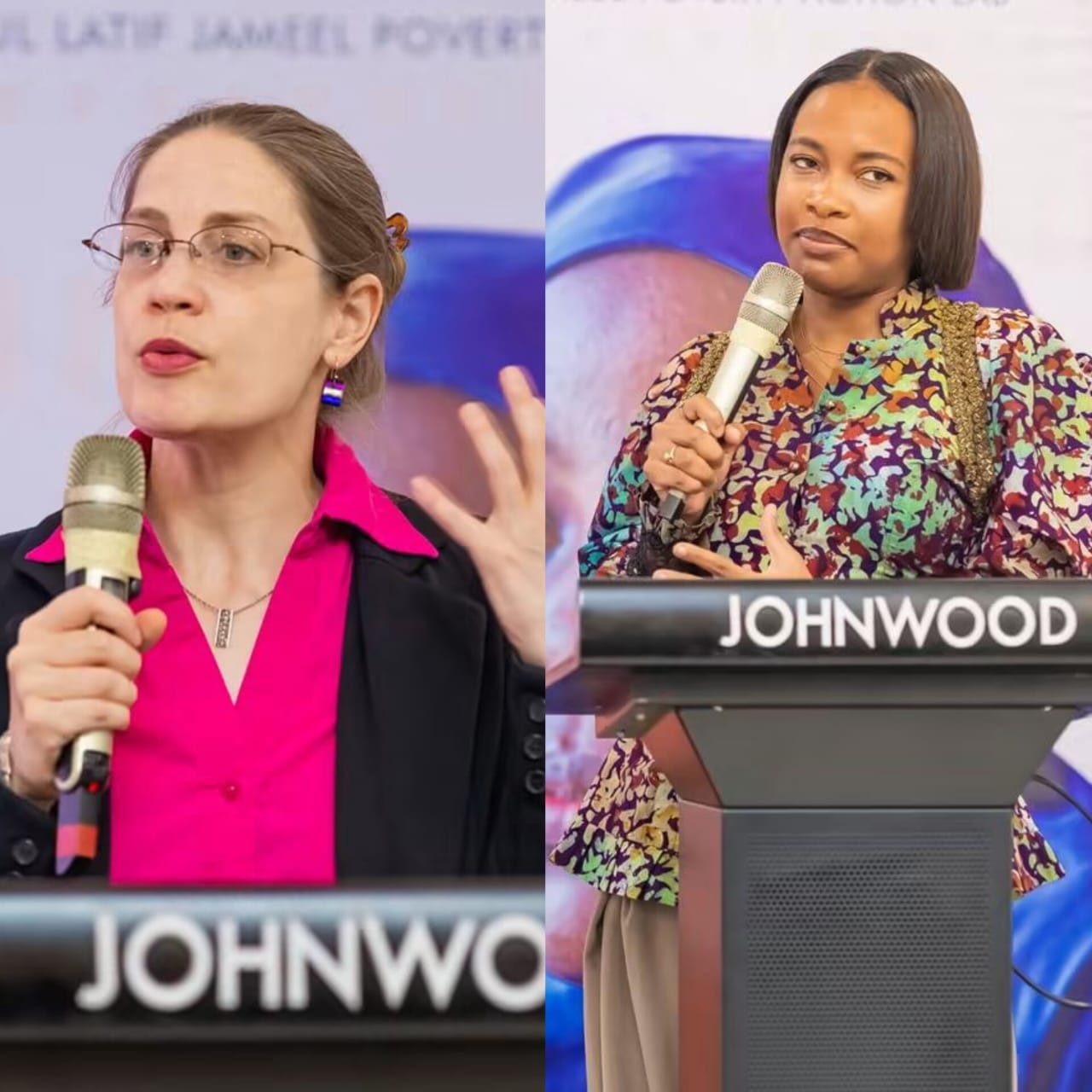
Associate Vice President, Design and Thought Leadership/Programme Strategy and Innovation, CARE USA, Emily Janoch, made the call while presenting the Give Girls a Chance Programme and J-PAL partnership at the Technical Inception Workshop of the Future Free from Child Marriage (FFCM) Project.
Janoch said child marriage costs the Nigerian economy more than $10 billion annually.
She highlighted a Centre for Girls Education (CGE) model that achieved an 80 per cent reduction in child marriage.
Advocating for simpler interventions, she said scaling up the model across Kano and Kaduna would cost about $114 million.
“We don’t have to invent a new pilot every time. We don’t have to start with a brand new idea. We can and should learn from what works and what really delivers impact for girls,” she said.
Janoch said the “evidence to policy to scale” approach would place government priorities at the centre, with partners testing interventions and generating evidence before governments commit resources to scaling them up.
Also, Senior Policy Manager, J-PAL Africa, Primrose Adjepong, illustrated the approach with a Madagascar programme that combined reusable pads, teacher sensitisation and peer leadership.
She said a trial involving 140 schools recorded a 17 per cent increase in girls’ grade progression, improved test scores and reduced stigma.
According to her, a second trial showed that the programme could achieve impact without costly infrastructure, enabling the government to scale it up.
Government representatives from relevant ministries and the National Human Rights Commission identified inadequate funding, weak implementation, poor coordination and inadequate enforcement as major challenges.
They proposed dedicated budget lines, engagement with traditional rulers, advocacy, vocational training, economic empowerment, menstrual health promotion and stronger government ownership.
A representative of the National Human Rights Commission, Ngozi Okore, said the Commission had rescued children at risk of child marriage, investigated complaints, provided legal and policy advocacy, and conducted school sensitisation, human rights education, media campaigns and monitoring.
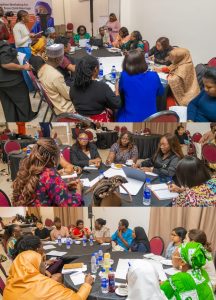
Representatives of national NGOs highlighted girls’ advocacy, safe spaces, education, vocational and life skills training, out-of-school programmes and implementation of the National Strategy on Ending Child Marriage.
They identified weak implementation, harmful social norms, economic vulnerability and sociocultural practices as major challenges.
Representatives of international NGOs cited Ilimi Haske in Kano, Aspire in Sokoto and Bauchi, Girls Out Loud, cash voucher initiatives and the Women’s Rights and Gender Equality Programme.
They said the initiatives combined education, menstrual hygiene, parenting skills and behavioural change, while emphasising engagement with traditional and religious leaders, government collaboration and community ownership.
CARE USA Senior Director, Impact Measurement and Strategic Learning, Rachna Chowdhuri, urged stakeholders to move from programmes to implementation, strengthen collaboration across sectors, listen to communities, scale up what works and discontinue ineffective interventions.
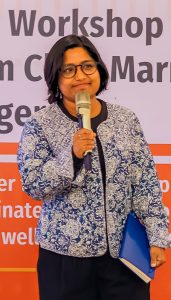
She affirmed the organisation’s “deep commitment to listening to the communities we’re working in”, saying this was necessary for scaling up interventions that worked.
“We owe it to the girls and the women, but also to discontinuing what doesn’t work,” she said.
Stakeholders resolved to advance evidence-based solutions and strengthen collaboration towards ending child marriage in Nigeria.