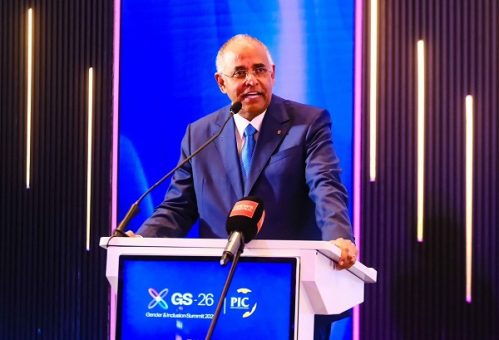
Former Ivorian Prime Minister Patrick Achi has tasked Africans with taking ownership of the continent’s transformation.
Patrick Achi urged the diaspora to return home and embrace responsibility, and governments to place education, technology and knowledge at the heart of development.
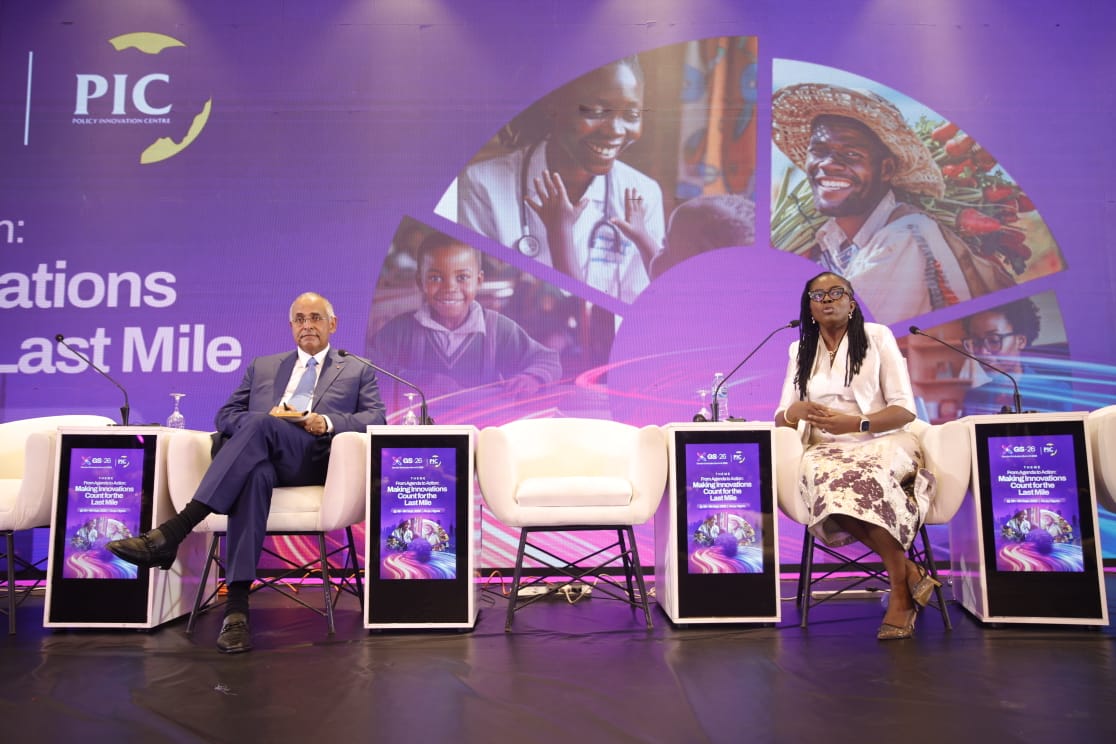
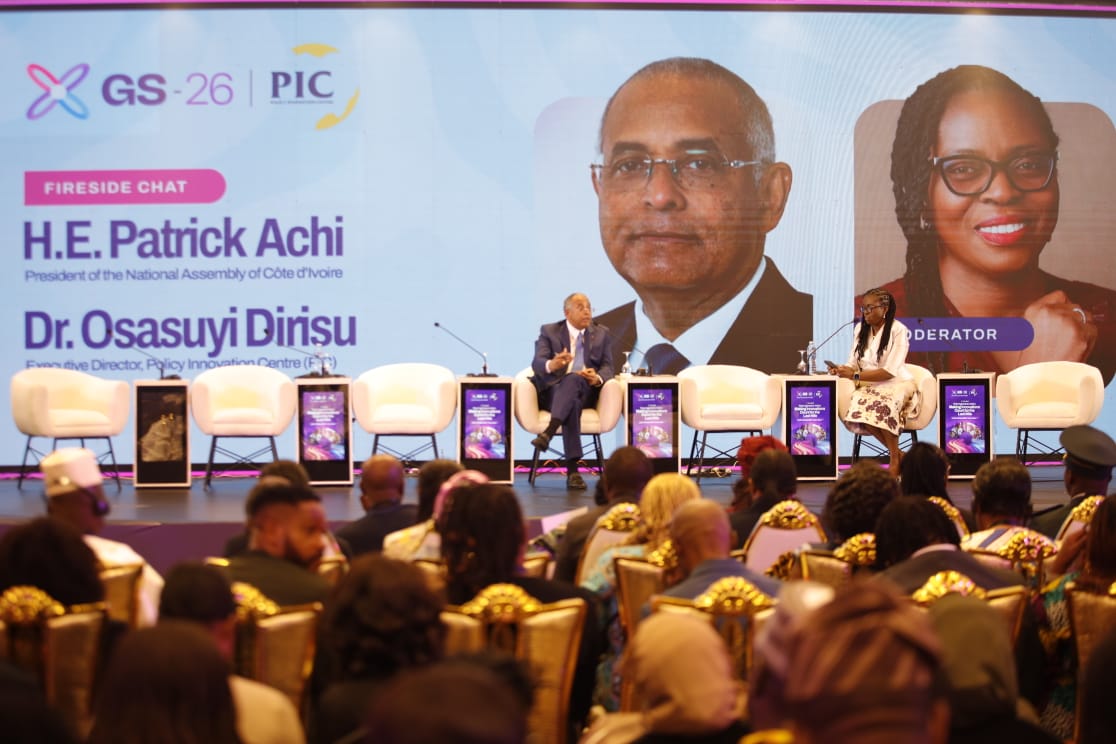
Achi, President of the National Assembly of Côte d’Ivoire, made the call during a fireside chat with the Executive Director of the Policy Innovation Centre, Dr Osasuyi Dirisu, at the Gender and Inclusion Summit 2026, GS-26, in Abuja.
His submissions aligned with the central thrust of GS-26, themed “From Agenda to Actions: Making Innovations Count for the Last Mile”: translating ideas and policies into practical, measurable improvements in the lives of Africans.
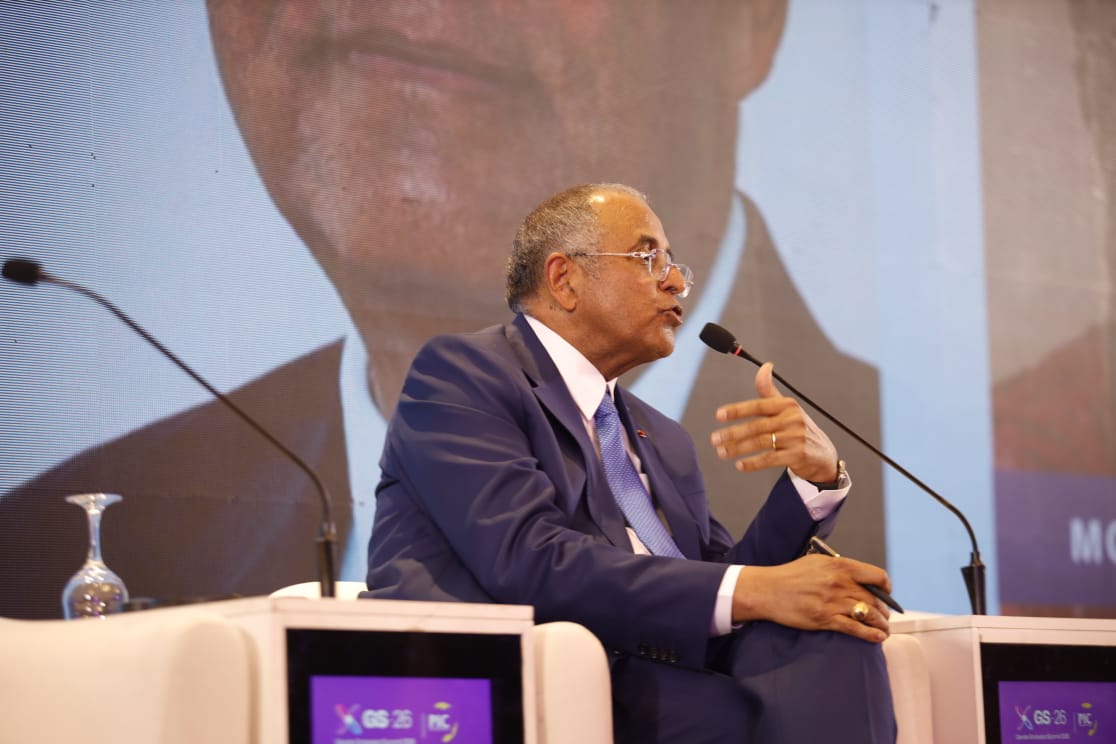
He said Africa’s development could not be outsourced, urging skilled Africans abroad to return and become agents of change rather than wait for perfect conditions.
“If you’re waiting for the environment to be proper to come, then who is there preparing the environment for you? You know what needs to change, so go there, help change the environment, and then you will see things will move. At the end of the day you owe your people, you owe your parents, you owe your family, and you owe your community what you have become today.”
On leadership, he urged Africans to view development as a generational responsibility, rather than expecting immediate transformation.
“Let’s prepare our youth to do better than us and to take advantage of this marvellous potential of this country to make it move one step further down the line,” he said.
Achi identified stronger legislative oversight as another pathway to improving livelihoods, urging lawmakers to go beyond approving budgets to tracking their impact.
“So once we have voted the budget, we are accountable for implementation,” he said.
While stressing the need for collaboration between the executive and legislature, supported by credible data and policy analysis, Achi also called for honest self-assessment, urging African leaders and citizens to stop attributing developmental failures solely to historical factors.
“People are responsible for our future,” he said, advocating humility, learning from successful countries and preparing younger generations for emerging challenges.
Achi described artificial intelligence and digital transformation as a major opportunity to accelerate Africa’s development, particularly given its youthful population.
“We have missed the industrial revolution. Please, let’s not miss the digital revolution, for which we have a competitive advantage. That’s why education should be at the heart of all our policies.”
Projecting that within five years, mobile-phone users would have unprecedented access to information, he said digital technology could democratise access to knowledge across rural and urban communities.
“The worst curse is ignorance. Knowledge is what makes people move,” Achi said.
He, however, said governments must invest in digital infrastructure, software and training to ensure the benefits reach communities and young people.
Achi expressed optimism that the continent could convert its demographic advantage into economic strength for Africa’s people everywhere if education, technology, accountable governance, youth participation and diaspora engagement were pursued together.