
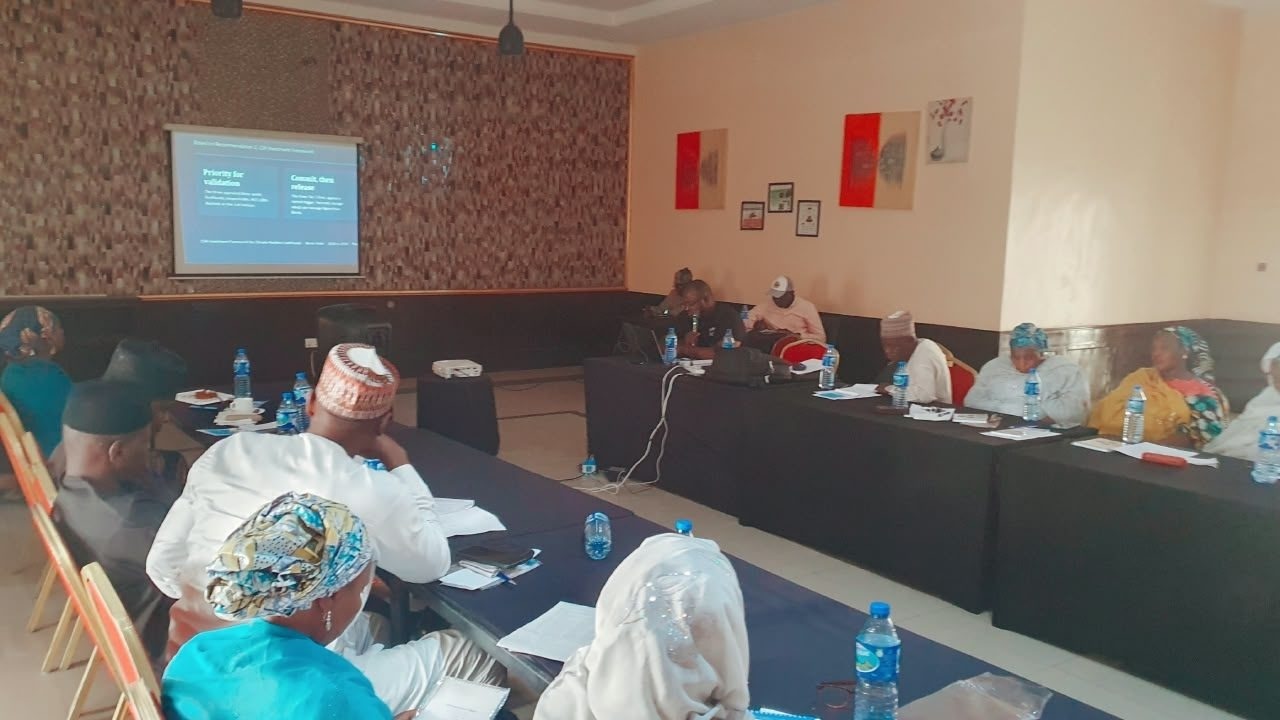
The Food and Agriculture Organisation of the United Nations (FAO), in collaboration with the Borno State Government and other stakeholders, has validated a climate-smart agriculture strategy aimed at strengthening resilience and livelihoods in the state from 2026 to 2030.
The validation meeting, which brought together government officials, development partners, academia and other stakeholders, is part of efforts to update earlier climate-smart agriculture frameworks in response to changing environmental, humanitarian and socio-economic conditions in Borno.
Speaking at the meeting in Maiduguri, FAO Natural Resource and Energy Safety Specialist, Yakaka Maina, said the exercise was the second series of activities that began in July to identify and validate priority areas for climate-smart agriculture.
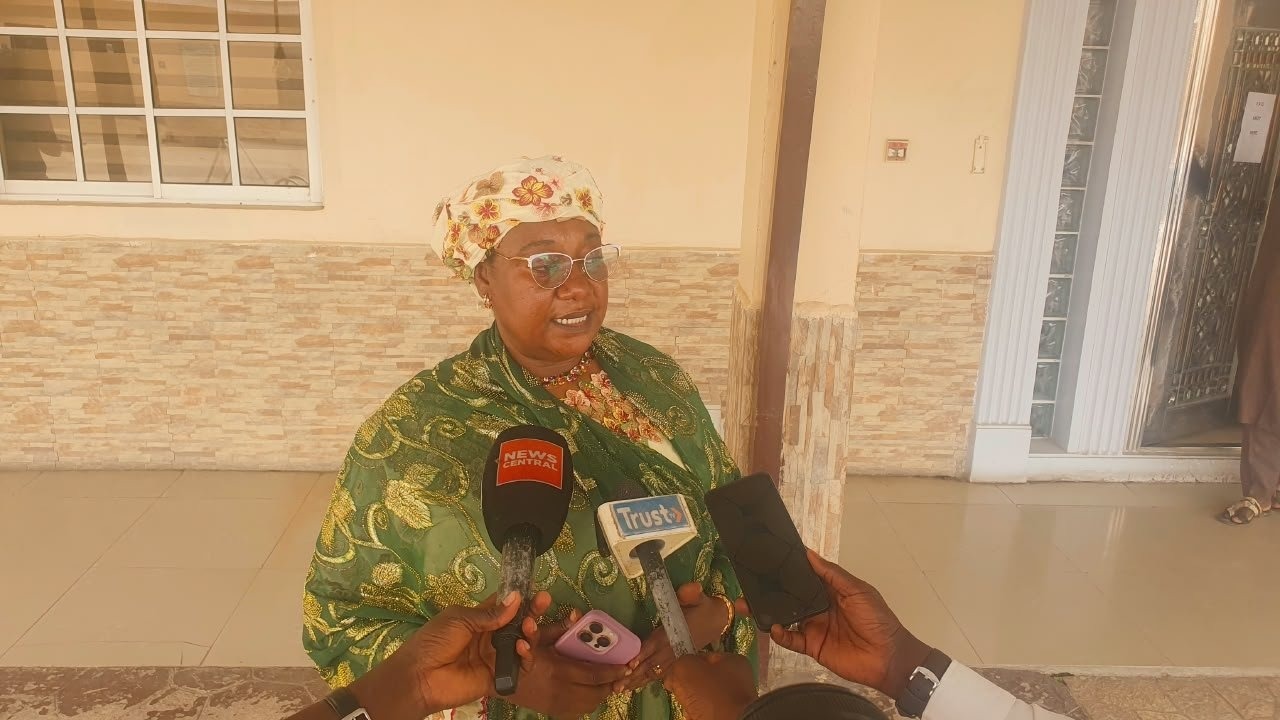
She said the strategy would provide a framework for strengthening climate resilience in the state, particularly among communities affected by displacement, climate change and changing livelihoods.
Maina explained that FAO had earlier supported the development of climate-smart agricultural documents covering 2020 to 2023, but noted that significant changes had occurred since then, including increased climate shocks, displacement, return of communities and the closure of some internally displaced persons’ camps.
She said the new strategy therefore seeks to address the needs of host communities, internally displaced persons and returnees, while linking identified agricultural priorities to durable solutions.
READ ALSO: Borno State Government allocates Land for RUGA Programme
According to her, farmers identified drought and erratic rainfall as some of the major climate shocks affecting agricultural production in Borno.
She explained that measures such as access to drought-resistant seeds, improved farming techniques and training would be important in strengthening farmers’ resilience and increasing food production.
Maina added that the exercise would also include cost-benefit analysis of identified priority areas to develop investment planning options for government, private investors and development partners.
The FAO specialist further said, the assessment would cover agricultural value chains beyond crop production, including non-timber forest products such as neem, with attention to their medicinal and commercial potential.
Significant Gaps
Also speaking, Dr Ibrahim Aliyu of the University of Maiduguri, said the validation was necessary because significant gaps had emerged since the previous framework was developed between 2019 and 2021.

He said changes in costs, displacement, livelihoods and areas previously excluded from the framework had created the need for a comprehensive review involving government institutions, academia, security agencies and other stakeholders.
Aliyu described the initiative as an opportunity to identify viable investment opportunities that could improve livelihoods and contribute to Borno’s development.
He, however, identified implementation as a major challenge, stressing the need for effective monitoring and evaluation.
The university don said close monitoring, regular reporting and coordination between the state government and development partners would help track projects and ensure effective implementation of the strategy.
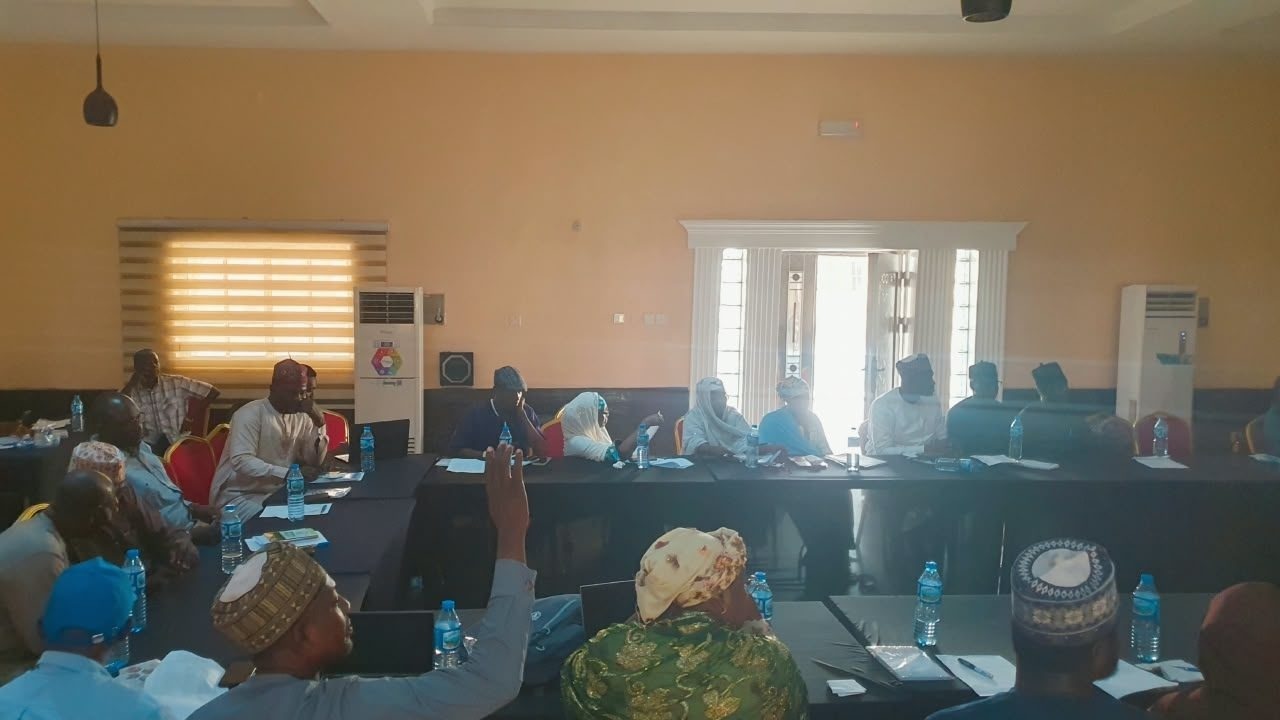
Also speaking, the Director of Planning, Research and Statistics and Partner Coordination at the Borno State Agency for Coordination of Sustainable Development and Humanitarian Response, Babi Baba-Mala, said the state government was engaging relevant stakeholders to validate the climate change resilience strategy for 2026 to 2030.
Baba-Mala said the strategy would particularly target durable solutions for internally displaced persons, returnees and host communities across Borno State.
She appreciated the Borno State Government and FAO for complementing ongoing efforts to strengthen resilience, livelihoods and sustainable development in the state.
The stakeholders expressed optimism that the validated strategy would provide practical investment priorities capable of improving agricultural productivity, strengthening climate resilience and supporting sustainable livelihoods among vulnerable communities in Borno.

