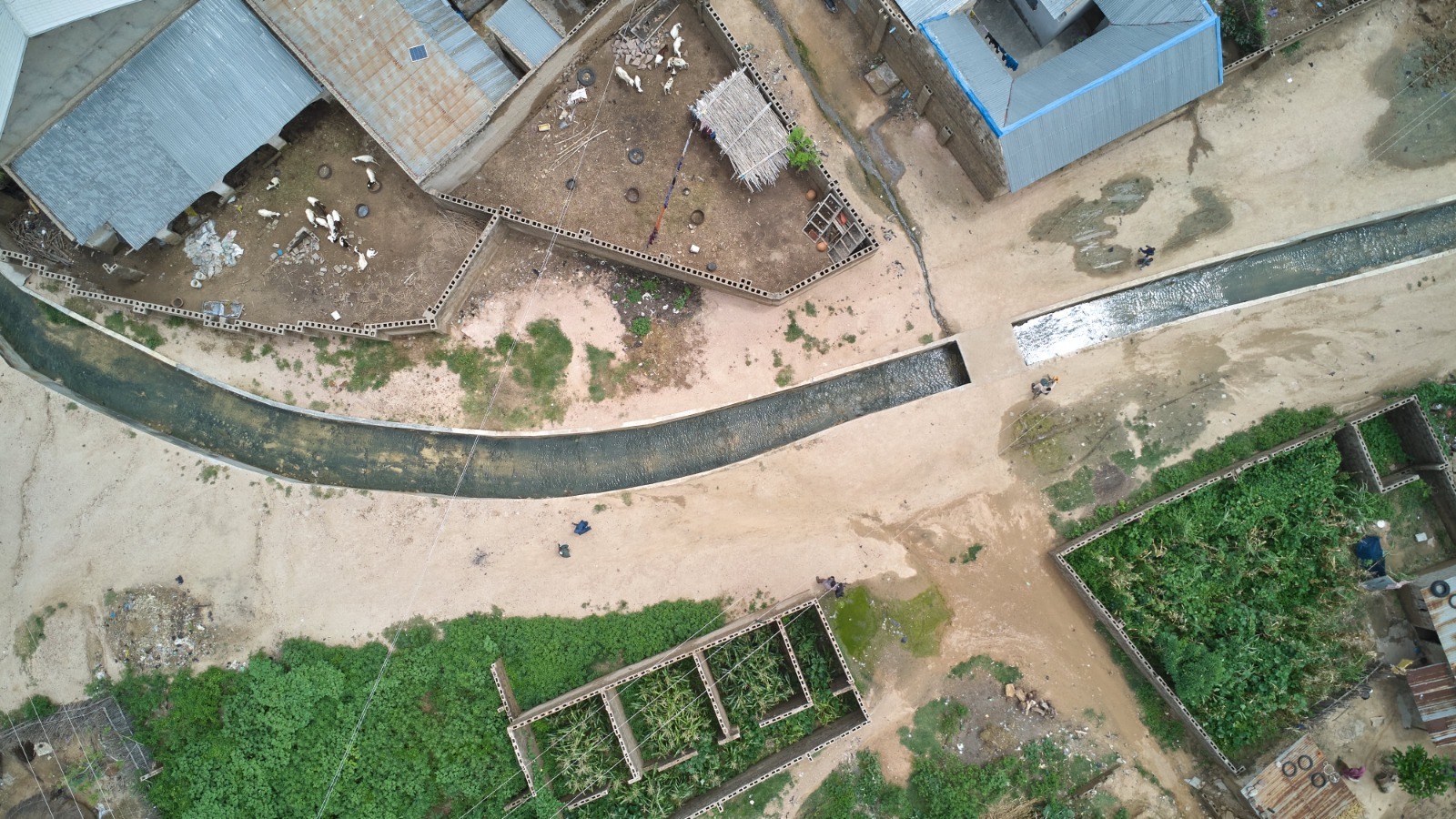
The Arewa Revival Project (ARP) has declared support for President Bola Tinubu’s re-election bid, applauding the Federal Government’s ecological interventions at Tiga, Challawa Gorge and Kafin Chiri dams in Kano State as strategic investments expected to expand irrigation, boost agricultural productivity and strengthen food security across Northern Nigeria.
In a statement signed by its Project Coordinator, Muttaka Ibrahim, the group described the ongoing interventions under the Kano River Irrigation Scheme as evidence of the Tinubu administration’s commitment to agricultural development, climate resilience and sustainable economic growth, expressing confidence that continuity in leadership would help consolidate the projects and advance development across the Arewa region.
The ARP particularly commended the ongoing rehabilitation and expansion initiatives under the Kano River Irrigation Scheme, covering Tiga Dam, Challawa Gorge Dam and Kafin Chiri Dam, describing the projects as strategic investments capable of boosting agricultural production and improving rural livelihoods.
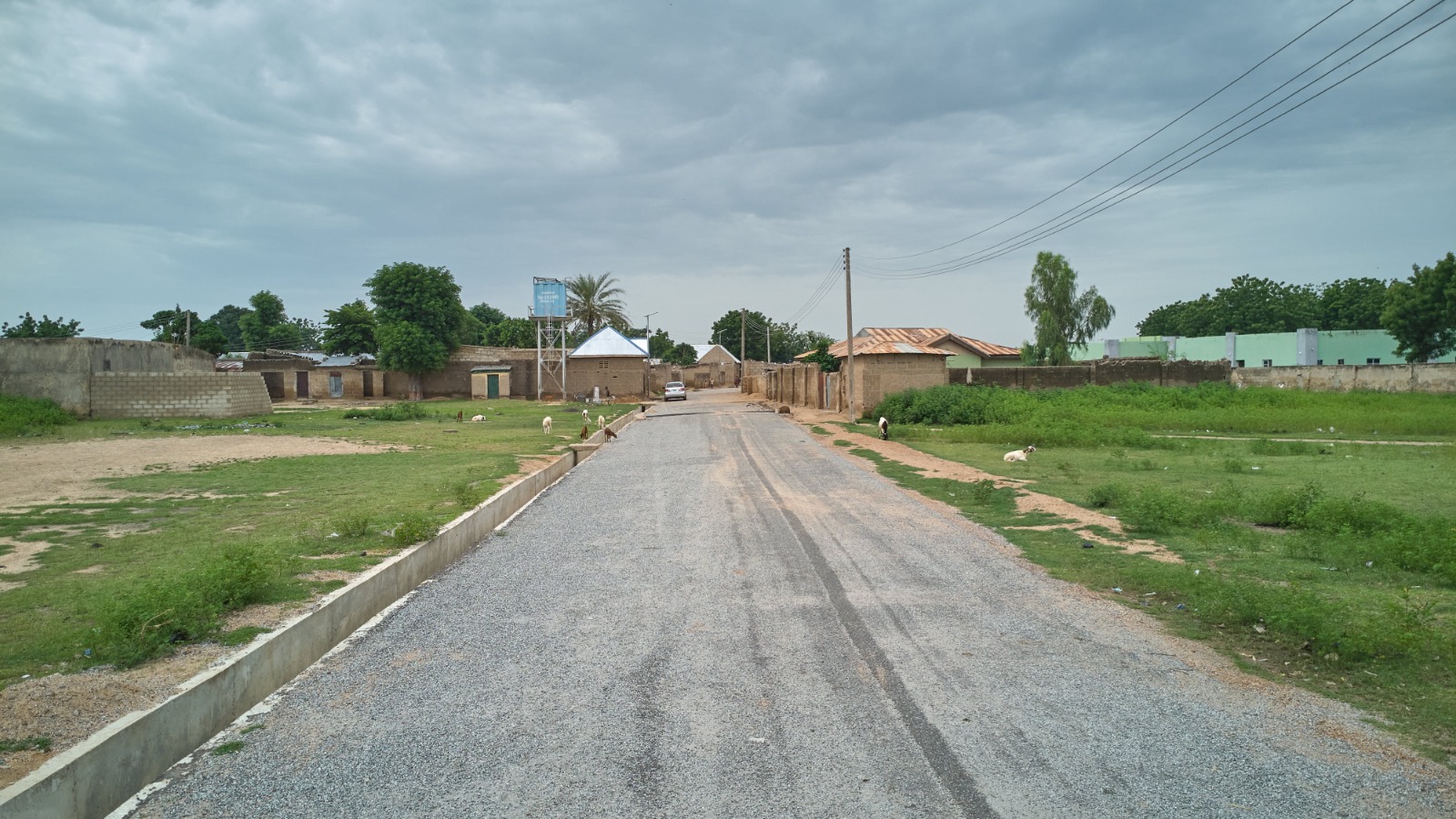
Ibrahim said, “The interventions, being implemented through the Ecological Project Office under the Office of the Secretary to the Government of the Federation, are aligned with the objectives of the Renewed Hope Agenda.”
According to the group, the projects would improve access to irrigation water, support year-round farming, increase agricultural output, create employment opportunities and strengthen the resilience of farming communities against climate-related challenges.
READ ALSO: Lawmaker Secures N90bn Kano Bridge, Irrigation Project
The group noted that Tiga Dam, completed in 1974, has a reservoir capacity of approximately 1.97 billion cubic metres and an irrigation potential of about 230,000 hectares, in addition to supporting 10 megawatts of hydropower generation.
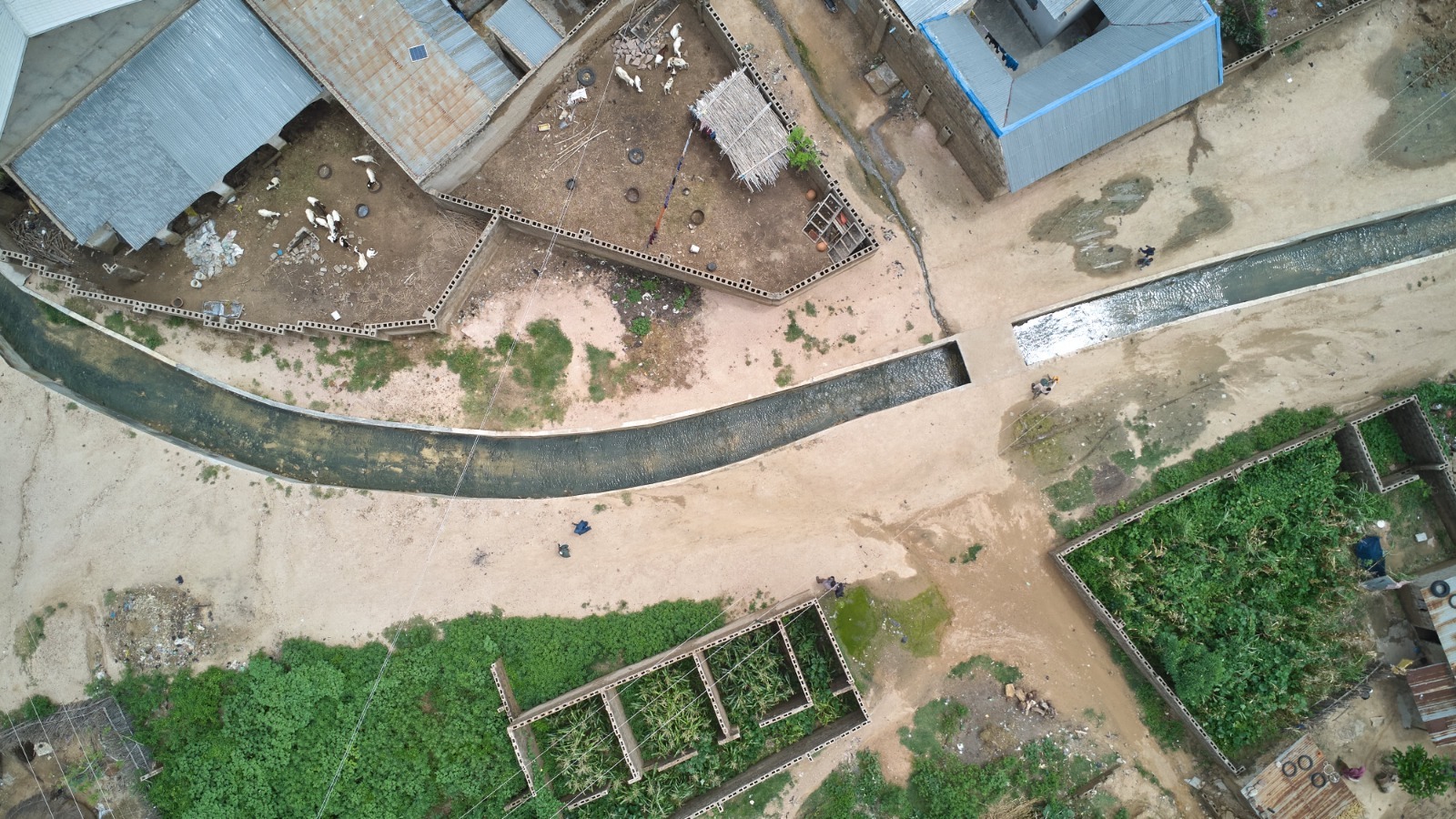
It said ‘the ongoing intervention at the dam was designed to open new irrigation sectors in Yakasai, Gwamma and Gurjiya, covering approximately 875 hectares, through the development of irrigation canals and related infrastructure”.
On Challawa Gorge Dam, the ARP said the intervention focused on developing 240 hectares of irrigable land through the construction and rehabilitation of main canals, distribution channels, field canals, access roads and other hydraulic structures.
Similarly, it said, “The intervention at Kafin Chiri Dam was expected to open additional irrigation sectors covering approximately 164.91 hectares across the Kunpada, Matanfa and Maida sectors”.
Investment in Agribusiness
The group maintained that the projects would help unlock Kano State’s agricultural potential, stimulate private investment in agribusiness and strengthen food supply chains across Northern Nigeria.
It said that effective implementation of the interventions could provide economic opportunities for farmers, rural households and agribusiness operators while contributing to poverty reduction and economic diversification.
The ARP, however, stressed that the long-term success of the projects would depend on timely completion, transparent implementation, effective maintenance and the active participation of beneficiary communities.
It called on relevant government agencies, local stakeholders and farming communities to support the projects to ensure that the infrastructure delivers its intended benefits.
The group also emphasised the need for a comprehensive approach to ecological restoration, arguing that environmental protection must be balanced with biodiversity conservation, sustainable agriculture and the socio-economic well-being of communities.
Ecological Interventions
It described the Kano River Irrigation Special Ecological Project as a demonstration of how ecological interventions could be linked with community engagement, livelihood support and sustainable agricultural opportunities.
The ARP said, “It believed that continuity in leadership would provide an opportunity to consolidate ongoing projects, expand development initiatives and sustain efforts towards national economic transformation”.
It therefore urged the people of Northern Nigeria to support the administration’s development agenda, expressing optimism that sustained investment in ecological infrastructure would improve livelihoods and secure a more sustainable future for the region.