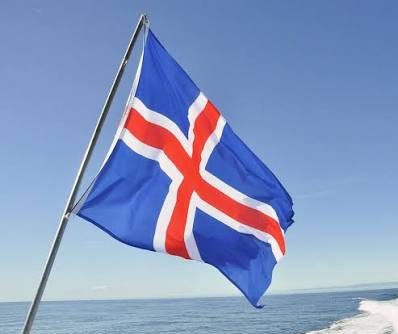
Icelanders are voting on whether to reopen negotiations on European Union membership, with the outcome too close to call amid a heated debate over the economy, fishing rights, sovereignty and national security.
A Gallup poll released on Friday showed a narrow majority against reopening negotiations, representing a shift from earlier surveys that had given supporters a slight lead.
Supporters of reopening the talks argue that the process could help address high interest rates and strengthen Iceland’s security amid growing geopolitical tensions.
Opponents, however, warn that EU membership could undermine the country’s sovereignty and weaken its control over its fishing waters.
READ ALSO: Total Solar Eclipse Draws Millions Across Spain, Iceland
“Today is our encounter with history,” former Icelandic President Olafur Ragnar Grimsson, a campaigner against EU membership, said on social media.
A vote in favour would only reopen negotiations with Brussels and would not make Iceland a member of the EU. A second referendum would be required before the country could join the bloc.
Iceland first applied for EU membership in 2009 during a financial crisis, but negotiations were suspended in 2013 after a Eurosceptic government halted the process.
Foreign Minister Thorgerdur Katrin Gunnarsdottir, who supports reopening negotiations, said changing global conditions had made the issue more urgent.
“The international order that underpinned our security and prosperity for decades is under serious pressure,” she said. “In times like these, small nations need to think carefully about where they stand and who stands with them.”
The debate has also focused on Iceland’s high borrowing costs and cost of living. The country’s central bank rate is currently 8 per cent, compared with 2.25 per cent at the European Central Bank.
Opposition leader Gudrun Hafsteinsdottir said Iceland’s economic challenges should be addressed domestically.
“These are not problems that Brussels will solve for us. These are problems that Icelandic politicians must solve,” she said.
If approved, accession talks could begin by the end of 2026 and take between 18 and 24 months, according to a foreign ministry memo.
Reuters