


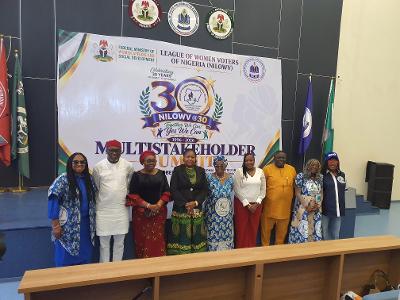
The Inter-Party Advisory Council (IPAC) and ActionAid Nigeria have called for concrete political reforms, stronger protection for women and cross-party collaboration to dismantle barriers to women’s leadership.
They insisted that decades of advocacy must translate into measurable gains ahead of Nigeria’s 2027 general election.
The organisations made the call at the 30th anniversary multi-stakeholder summit of the League of Women Voters of Nigeria (NILOWV) in Abuja, where IPAC National Chairman, Dr Yusuf Mamman Dantalle, proposed a non-partisan compact to advance women’s political inclusion.
“Women’s participation is not a favour to be granted by party leaders. It is a democratic imperative and a matter of fairness, institutional quality and inclusive development,” Dantalle said.
READ ALSO: IPAC, Women With Disabilities Sign MOU On Political Inclusion
Represented by Prince Chinedu Obi, he identified political parties as critical gatekeepers whose control over nominations, campaign financing, manifestos and leadership opportunities can either expand or restrict women’s participation.
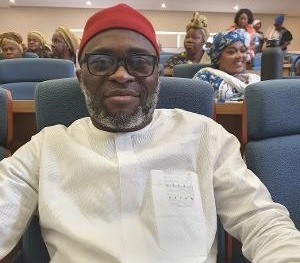
Dantalle urged parties to publish transparent nomination rules, establish accessible complaint mechanisms and ensure women are represented in leadership structures, delegate systems and candidate-selection committees.
He proposed a voluntary “Women’s Political Inclusion Compact” to unite political parties, candidates, women’s organisations and civil society around six commitments: transparent party processes, practical support for women candidates, zero tolerance for political violence and intimidation, evidence-based voter education, a cross-party women’s policy agenda and annual public accountability scorecards.
The proposed framework would also promote mentoring, campaign training, fundraising support, media engagement and legal assistance for women aspirants.
Protection Against Abuse
Dantalle called for stronger protection against online abuse, discriminatory treatment and political intimidation, alongside accessible reporting and referral mechanisms.
“Women must be represented meaningfully in party leadership, decision-making committees, delegate structures and candidate-selection processes, not merely invited to attend meetings after decisions have been made,” he said.
He charged women’s groups and civil society organisations to engage political parties before manifestos and candidate lists are finalised, stressing that women’s participation must extend beyond campaign rallies and commemorative events to policy formulation and implementation.
Dantalle urged stakeholders to turn NILOWV’s anniversary into a platform for sustained action, saying: “Let us build a common agenda that is non-partisan in its principles, practical in its actions and measurable in its results.”
Gender Responsive Budgeting
The IPAC chairman also advocated gender-responsive budgeting and stronger public scrutiny of government promises, allocations, releases, expenditure and outcomes, alongside voter education that reaches rural women, young women, women with disabilities and internally displaced women.
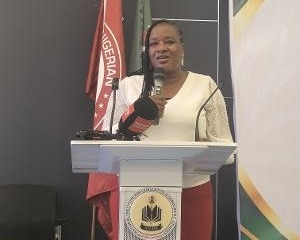
In a goodwill message, ActionAid Nigeria Country Director Dr. Andrew Mamedu, represented by Women’s Right Specialist Niri Miracle Tong-Goyit highlighted the risks and sacrifices women face while pursuing political leadership and representing collective interests.
“But who cares for the women who carry the burden of leadership? Who stands with the women who stand for us?” She queried
stressed that women’s resilience must be matched with care, solidarity and collective action, while calling for the passage of the Special Seats Bill to strengthen women’s representation.
The two interventions underscored a shared position: political inclusion requires more than public declarations; it demands institutional reform, protection, practical support and measurable accountability.

