
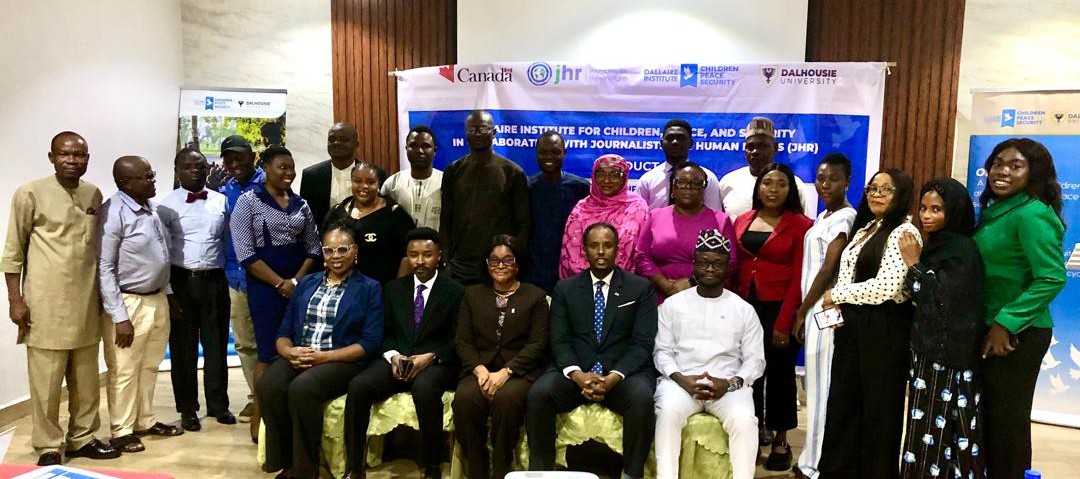
Nigerian journalists are undergoing intensive training in Abuja on conflict-sensitive reporting, child protection and peacebuilding as part of efforts to strengthen media coverage of children affected by armed conflict and violence.
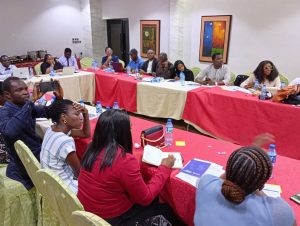
The five-day workshop, organised by the Dallaire Institute for Children, Peace and Security in partnership with Journalists for Human Rights (JHR), is designed to equip media practitioners with the knowledge and skills required to report responsibly on conflict-related issues involving children.
The training forms part of the implementation of the Vancouver Principles, an international initiative aimed at preventing the recruitment and use of children in armed conflict.
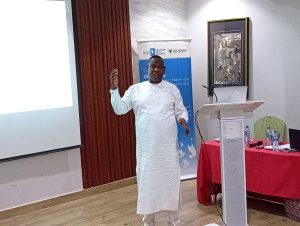
One of the key sessions, facilitated by veteran journalist and media trainer Mr Fidelis Mbah, focused on conflict-sensitive reporting and the role of the media in either mitigating or exacerbating conflict.
Mr Mbah explained that conflict-sensitive journalism requires reporters to move beyond reporting violent incidents and examine the root causes, drivers and potential solutions to conflicts.
According to him, journalists have a responsibility to ensure their reporting promotes understanding rather than division.
“Journalists do not merely report conflicts; they shape public understanding of them. Responsible reporting can contribute to dialogue, reconciliation and peace, while careless reporting can inflame tensions and deepen divisions,” he said.
He noted that while conflict is a normal part of human interaction, violence is not inevitable and can often be prevented through informed decision-making and constructive engagement.
The facilitator urged participants to ensure balance and fairness in their reporting by giving voice to all stakeholders, particularly women, children and other vulnerable groups whose perspectives are often overlooked.
“Conflict-sensitive journalism requires us to look beyond the violence itself and examine the underlying causes, the affected communities and the possible pathways to peace,” Mr Mbah stated.
He also advised journalists to avoid inflammatory language, verify information thoroughly and distinguish clearly between facts and opinions.
“Our responsibility is not only to tell people what happened but also to ensure that our reporting does not cause further harm to vulnerable individuals and communities,” he added.
Another major session examined the Impacts of Armed Violence on Children, facilitated by SP (Rtd.) Offiong Nsa.
The presentation explored the various ways children are exposed to armed conflict and violence, including combat operations, bombings, killings, sexual violence, forced displacement, starvation, discrimination and the destruction of homes, schools and communities.
Participants learned that children are often victims or witnesses of violence and may suffer severe physical, emotional and psychological consequences.
“Children bear some of the heaviest burdens of armed conflict. Even when they are not directly involved in violence, they suffer its physical, psychological, social and educational consequences,” SP (Rtd.) Nsa said.
She explained that exposure to conflict can result in anxiety, depression, post-traumatic stress disorder, nightmares and other long-term mental health challenges.
According to her, violence also disrupts education, limits economic opportunities and weakens social support systems, leaving many children vulnerable long after conflicts have ended.
“The impact of conflict on a child does not end when the violence stops. Trauma, disrupted education and social exclusion can affect their development and future opportunities for many years,” she noted.
SP (Rtd.) Nsa further highlighted the long-term consequences of violence on children’s development, relationships and integration into society.
“When reporting on children affected by conflict, journalists must understand that every story represents a young life that deserves protection, dignity and hope,” she stressed.
The workshop also featured a session on Children, Peace and Security, facilitated by the Africa Programmes Director of Journalists for Human Rights, Mr Mustapha Dumbuya.
Mr Dumbuya emphasised that children should not be viewed solely as victims of conflict but as important stakeholders in peacebuilding processes.
He encouraged journalists to ensure that children’s experiences are reflected accurately and ethically in media narratives.
“Children should not be seen only as victims of conflict; they are also important stakeholders in peacebuilding and must have their voices reflected in media narratives,” he said.
The facilitator underscored the need for journalists to adopt child-centred and trauma-informed approaches when covering conflict-related stories involving children.
“Ethical reporting on children requires accuracy, sensitivity and a commitment to protecting their rights and dignity at every stage of the reporting process,” Mr Dumbuya stated.
He also warned against the publication of unverified information, images or content that could expose vulnerable children to further harm.
“The media has a critical role to play in preventing the recruitment and use of children in armed conflict by exposing abuses, promoting accountability and amplifying solutions,” he added.
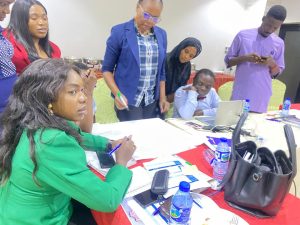
In addition to the thematic sessions, participants are receiving training on journalist safety, mental health, digital and social media ethics, gender-sensitive reporting and the responsible use of images involving children affected by conflict.
The programme will culminate in a story-pitching exercise, where participants will develop child-centred investigative reporting proposals. Selected journalists will receive reporting grants to undertake in-depth field investigations on issues relating to child protection, peacebuilding and conflict.
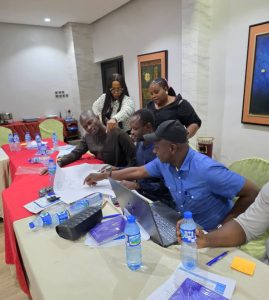
By the end of the training, participants are expected to have gained practical skills to report conflicts responsibly, protect vulnerable children through ethical journalism and contribute to broader efforts aimed at ending the recruitment and use of children in armed conflict.

