


Kano State Governor, Abba Kabir Yusuf, has pledged continued support for women journalists and inclusive governance, highlighting his administration’s efforts to expand women’s participation in public service and economic development.
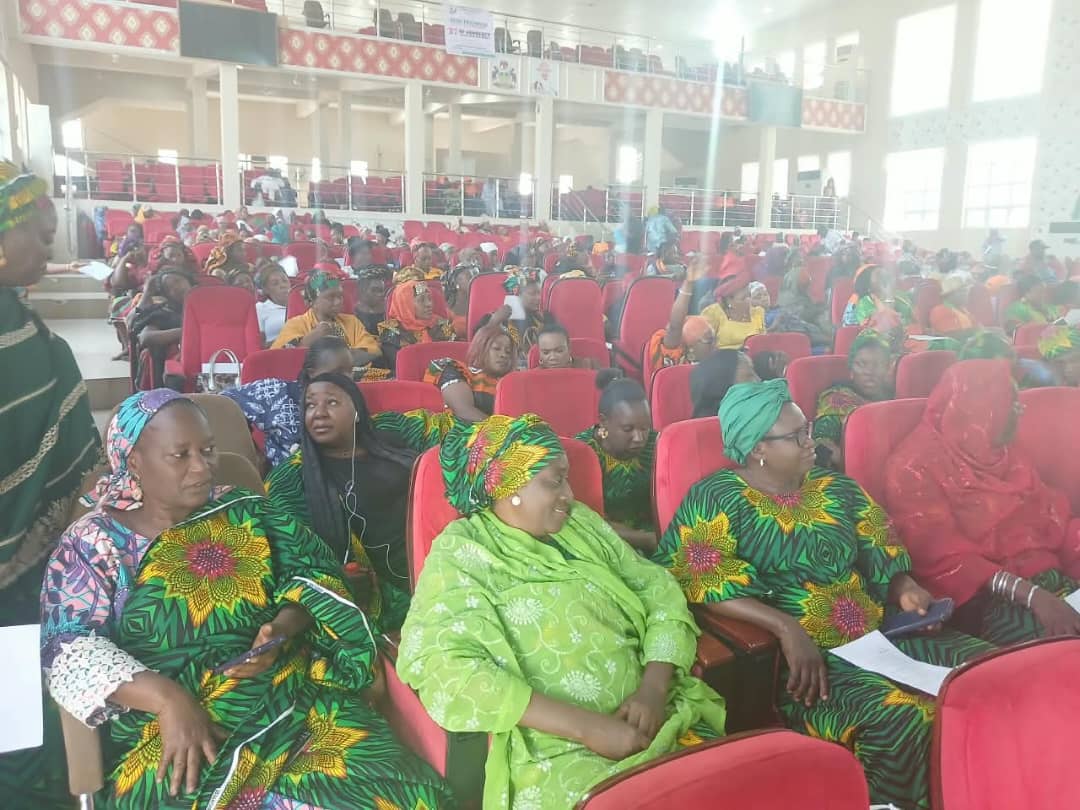
The governor made the pledge while declaring open the 2026 Triennial Delegates Conference of the Nigeria Association of Women Journalists (NAWOJ), held in Kano, with the theme: “Consolidating Unity, Strengthening Leadership and Advancing the Future of Women in Journalism.”

The governor who was represented by Dawakin Tofa, Sunusi Yusuf, commended NAWOJ for its 37 years of advocacy and contributions to society, describing women journalists as important partners in promoting accountability and good governance.
He said his administration had created opportunities for women to occupy strategic positions and participate in the state’s development.
According to him, Kano currently has a female Head of Service and Accountant-General, while women have also benefited from employment, promotions and empowerment programmes.
The governor disclosed that women constituted a significant proportion of the nearly 10,000 teachers employed by the state, while 50 per cent of recently appointed permanent secretaries were women.
He added that women had been given priority in skills acquisition programmes across the state’s 26 skills acquisition institutes, including the driving institute, to promote economic empowerment.
On healthcare, Yusuf said his administration had sustained free maternal and child healthcare services to improve the wellbeing of women and children.
He also announced plans to distribute 484 tricycle mobile ambulances across the 44 local government areas to facilitate emergency transportation for pregnant women, elderly persons and other residents, particularly in hard-to-reach communities.
On education, the governor said the state allocated between 29.5 and 30 per cent of its annual budget to the sector, describing the investment as critical to the development of women and girls.
Yusuf assured NAWOJ of his administration’s continued support, particularly following the emergence of Hajiya Wasila Ibrahim, a daughter of Kano State, as the association’s National Secretary.
He also expressed the state’s readiness to partner with NAWOJ and other organisations promoting women’s development.
Strengthen Advocacy
The National President of the Nigeria Union of Journalists (NUJ), Alhassan Yahaya, urged NAWOJ to strengthen its advocacy for women’s rights, members’ welfare and greater participation in addressing issues affecting women across the country.
Yahaya commended the association for restoring peace, stability and unity after years of internal disagreements, attributing the progress to commitment and collective responsibility.
He reaffirmed the NUJ’s support for NAWOJ, describing the association as an integral part of the union’s activities at national, zonal and state levels.
The NUJ president urged the incoming NAWOJ leadership to intensify advocacy on maternal mortality, gender-based violence and women’s political participation.
He expressed concern over maternal deaths arising from childbirth complications, including haemorrhage, and called for sustained advocacy and interventions to address the challenge.
Yahaya also advocated the inclusion of former NAWOJ leaders in the association’s activities, stressing that members should not be sidelined after leaving leadership positions.
He disclosed that the NUJ planned to hold a joint executive meeting with NAWOJ in January 2027 to strengthen cooperation and develop programmes for women journalists.
Yahaya cited his appointment of a woman as deputy president of the NUJ as part of efforts to promote gender inclusion and women’s leadership.
NAWOJ Achievements, Challenges
Earlier, the National Chairperson of NAWOJ, Aishatu Ibrahim, said the association had recorded progress in rebuilding institutional confidence, promoting unity and strengthening advocacy during her three-year administration.
She described the peaceful atmosphere within the association and the decision by most members of the National Executive to return unopposed as a vote of confidence that carried greater responsibility.
Ibrahim, however, cautioned that an unopposed return should not be regarded as an entitlement but as a renewed commitment to accountability and improved service delivery.
She said NAWOJ had strengthened partnerships with development organisations, including Plan International and the International Press Centre (IPC), creating opportunities for capacity development, collaboration and women’s participation in governance.
The chairperson listed advocacy for gender equality, the elimination of gender-based violence, women’s political representation, proposed special legislative seats for women and media freedom among the major interventions of her administration.
She also identified the acquisition of a Certificate of Occupancy for the association’s national secretariat land as a major institutional achievement.
According to her, NAWOJ had strengthened stakeholder engagement through its Women in Security, Peacebuilding and UNSCR 1325 Seminar and Award (WISCAW), while humanitarian interventions had supported vulnerable women.
Ibrahim acknowledged that financial constraints had affected some programmes, adding that members’ welfare, capacity development, communication and internal coordination required further attention.
She said the incoming administration would prioritise institutional strengthening, members’ welfare, professional development, partnerships, support for state chapters, transparency and accountability.
The chairperson urged members to place collective interests above personal ambitions, stressing that unity, service and institutional development remained critical to the association’s future.
The conference brought together delegates and stakeholders from across the country, including past national leaders, zonal and state executives, NUJ officials and other dignitaries, to deliberate on the future of women journalists and the leadership of the association.

