


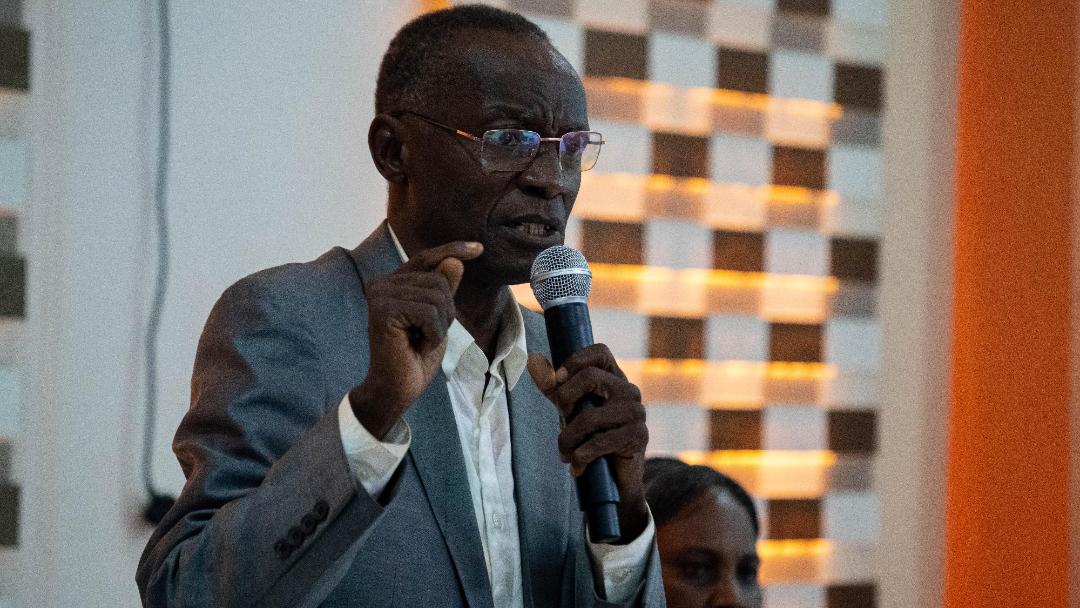
Nigerian journalists, media platforms, and policymakers have been called upon to move beyond episodic reporting to conflict-sensitive journalism, narrative ownership, and locally grounded education to safeguard national cohesion and advance Nigeria’s standing in a multipolar world.
The lead Consultant and CEO of Muh-vintage & Dynamics Consulting Limited, Dr Mohmood Tunde Hassan made the call in Abuja while speaking on the sidelines of a 3-Day Capacity Building workshop on Conflict-Sensitive Reporting and Presentation organised by BRONZ & ONYX International Limited in Partnership with RANLAL Global Services Limited.
Dr Tunde Hassan who is also a Senior General Manager at Liberty Television in an interview examined media responsibility, national security sensitivity, conflict framing, geopolitical narratives, and generational knowledge gaps across Nigeria and Africa.
READ ALSO: Stakeholders Seek Sustainable Journalism Funding to Safeguard African Democracy
He noted that conflict-sensitive reporting requires understanding conflict dynamics and maintaining peace rather than treating crises as isolated, episodic events without tracing their background, systemic triggers, and potential to escalate into wider instability.
“A journalist who is conflict-sensitive backgrounds his story, is more holistic. And to be holistic, you need context. And to have context, you need knowledge,” Tunde Hassan said.
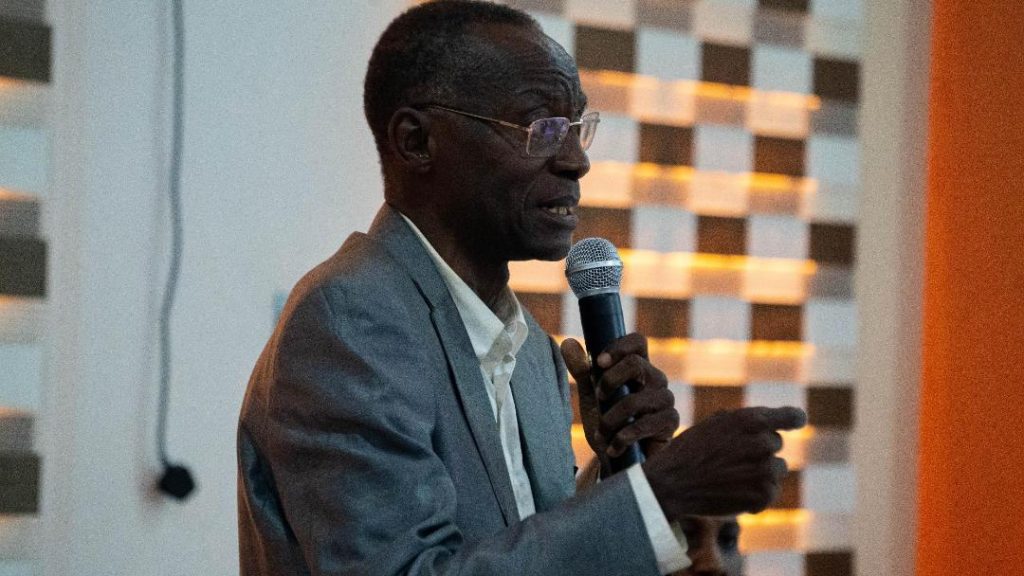
Tunde Hassan pointed to Nigeria’s history of civil war, governance breakdowns, military interregnums, and national and subnational fault lines, arguing that” many tensions are sustained by framing and elite-manufactured outrage that journalists amplify when they ignore consequence management or generalise criminal acts and derogatory labels onto entire ethnic groups.”
Turning to global geopolitics, he stated that narrative serves as strategic and governance capital that shapes international standing, contending that external framing has long portrayed Africa through narrow stereotypes while global resources and rare earth materials critical to modern technology and nanotechnology are extracted from Africa and the Global South without commensurate local value or narrative control.
“If you don’t tell your story, others will tell your story for you. And that’s our problem. They’re telling their own stories for us from their own past. And most times when they do that, they do that to denigrate you, to keep you at the level of servitude,” Tunde Hassan said.
Addressing generational divides across social media, new media, and artificial intelligence platforms, Tunde Hassan stated that younger generations risk internalising external narratives without historical grounding unless institutions engage mass media actively and reform education to reflect local realities, indigenous agriculture, domestic manufacturing, and cultural confidence.
He added that as global power shifts from unipolar or bipolar structures toward a multipolar order, Nigeria and Africa must deliberately curate their own narratives, decolonise mindsets, and define national interests strategically on the global stage.

