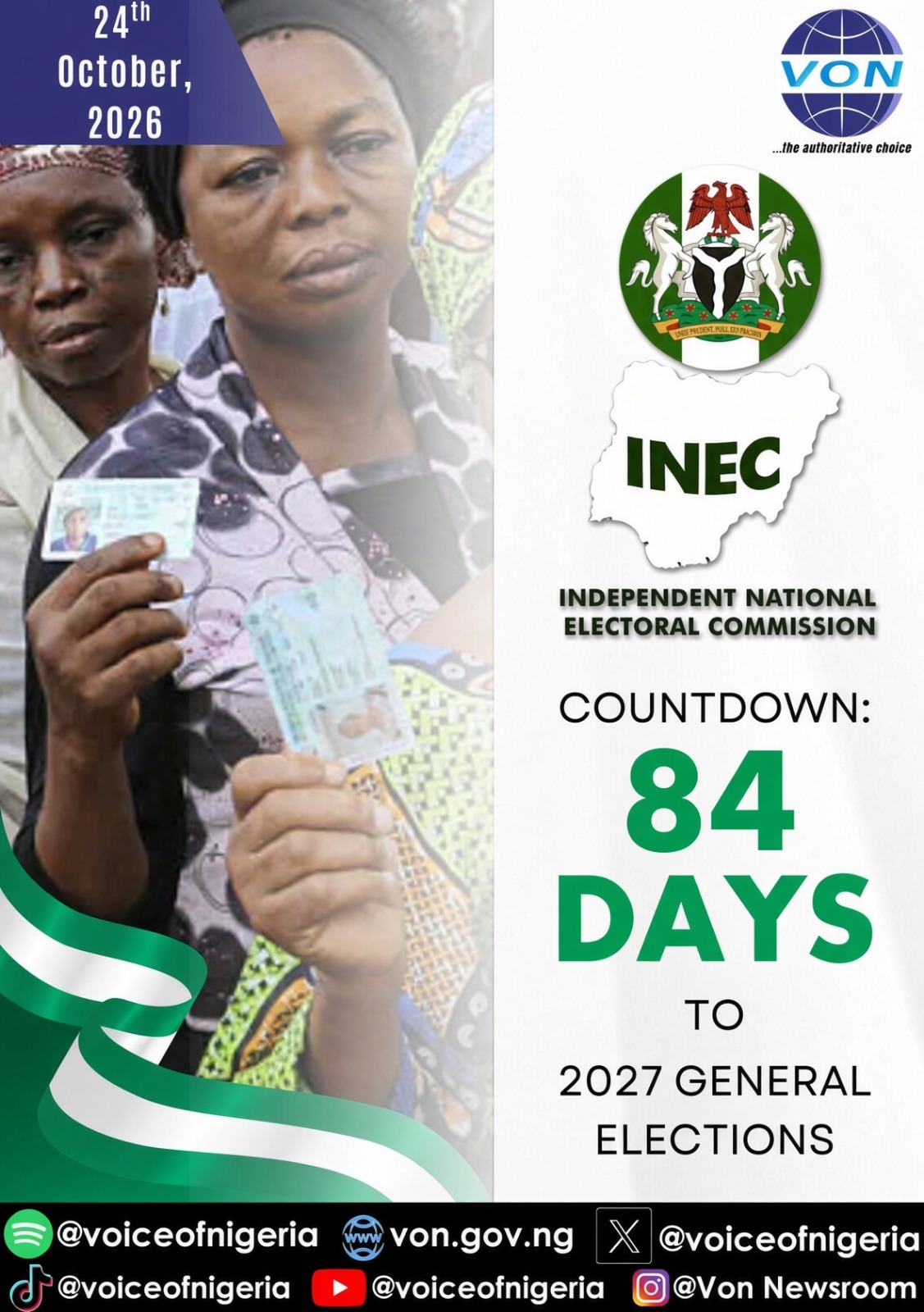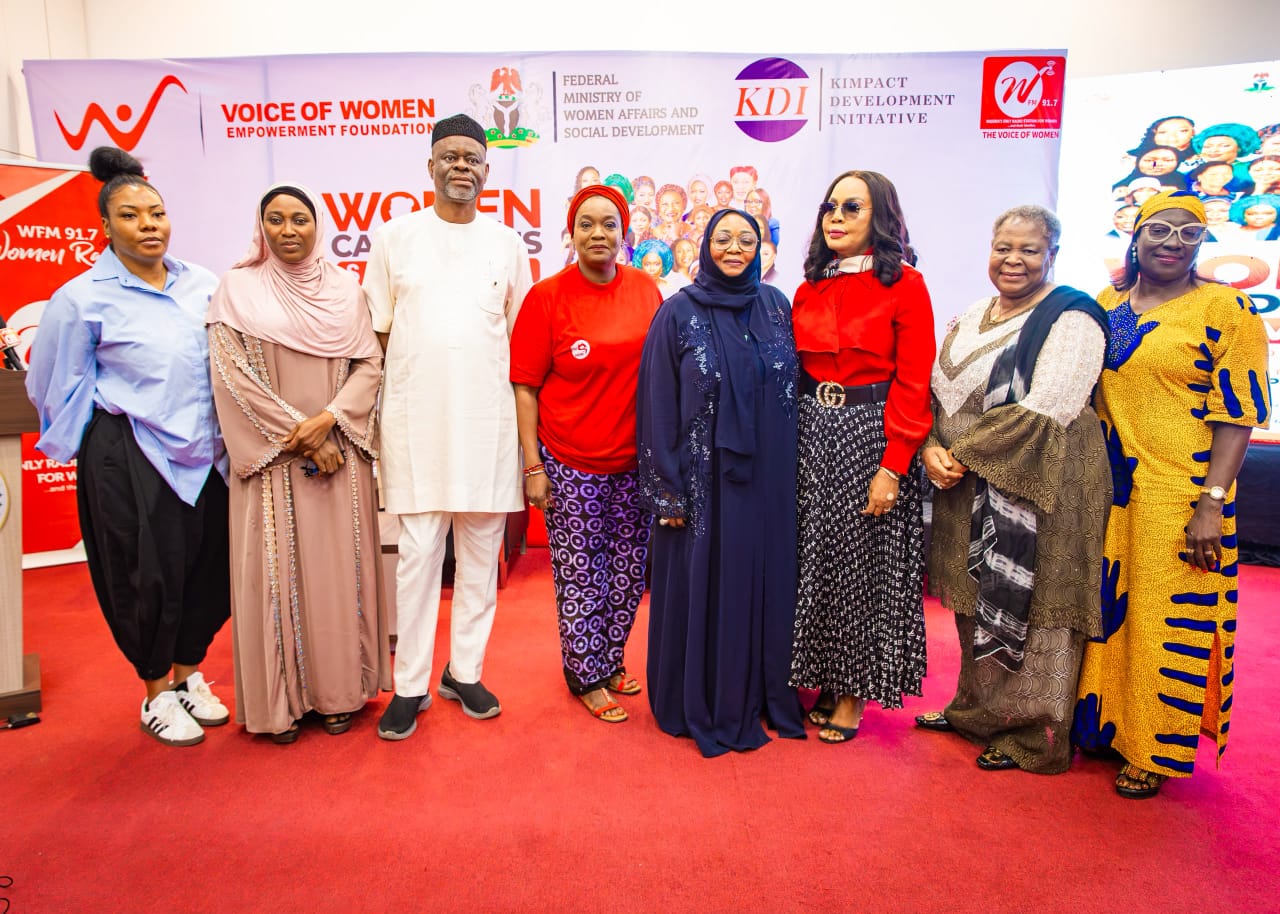
The Minister of Women Affairs and Social Development, Hajiya Imaan Sulaiman-Ibrahim, has declared that Nigeria’s democracy cannot achieve its full potential while women remain grossly underrepresented in political leadership.
The Minister made the declaration at the 3rd Women Candidates Summit held in Abuja, where she unveiled a comprehensive strategy to increase women’s representation in elective offices ahead of the 2027 general elections.
Addressing government representatives, lawmakers, development partners and civil society organisations at the summit, themed “2027: From Primaries to Power”, the Minister described the country’s gender representation gap as a democratic deficit, noting that women currently occupy only four of the 109 seats in the Senate and 17 of the 360 seats in the House of Representatives, while 15 State Houses of Assembly have no female legislators.
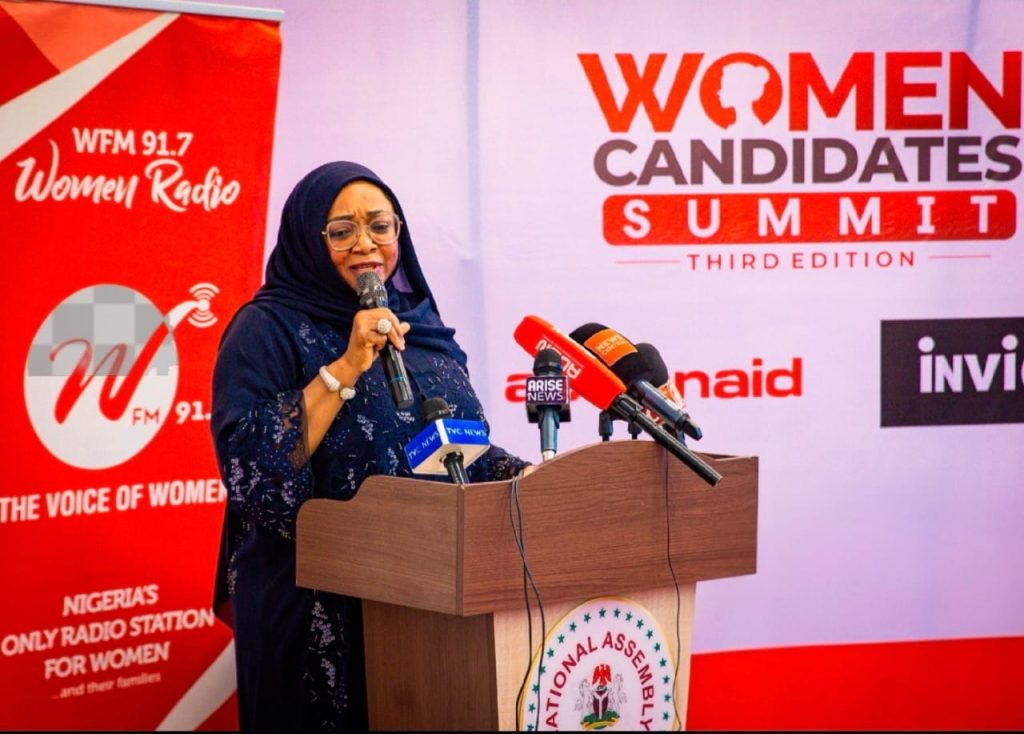
“We are assembled here to ensure that Nigerian women shift from being mere voters to occupying positions of executive and legislative authority,” she said.
Sulaiman-Ibrahim said the Federal Ministry of Women Affairs is translating regional commitments into measurable national action by reactivating the six Zonal Women Political Empowerment Centres established in 2005 and transforming them into year-round academies for campaign management, leadership development, political education, public speaking, mentorship and election monitoring.
Drawing from the recently concluded West Africa Women’s Political Leadership Forum in Abuja, she underscored the urgency of expanding women’s political participation across the region.
“A democracy that governs with only half its talent is not simply unjust; it is fundamentally underperforming,” the Minister declared, reaffirming support for the Abuja Regional Action Agenda, which seeks gender parity in elective offices across West Africa by 2035.
She also highlighted the nationwide Power of 10 Million movement, describing Nigeria’s women voters as a decisive electoral force capable of reshaping political outcomes.
“When ten million women align their votes behind candidate slates that prioritise gender equity, economic protection and female leadership, they possess the electoral weight required to influence political party nominations and general election outcomes,” she said.
Encouraging female candidates to remain steadfast, the Minister added: “Your leadership is necessary, your competence is proven, and your country requires your service. You are not asking for a favour; you are stepping forward to build a stronger, more equitable Federal Republic of Nigeria.”
Earlier, the convener, Executive Director of the Voice of Women Empowerment Foundation (VOWEF) and Chair of Women Radio 91.7FM, Toun Okewale Sonaiya, said the third edition of the summit was deliberately designed to support women candidates beyond party primaries and improve their chances of electoral victory.
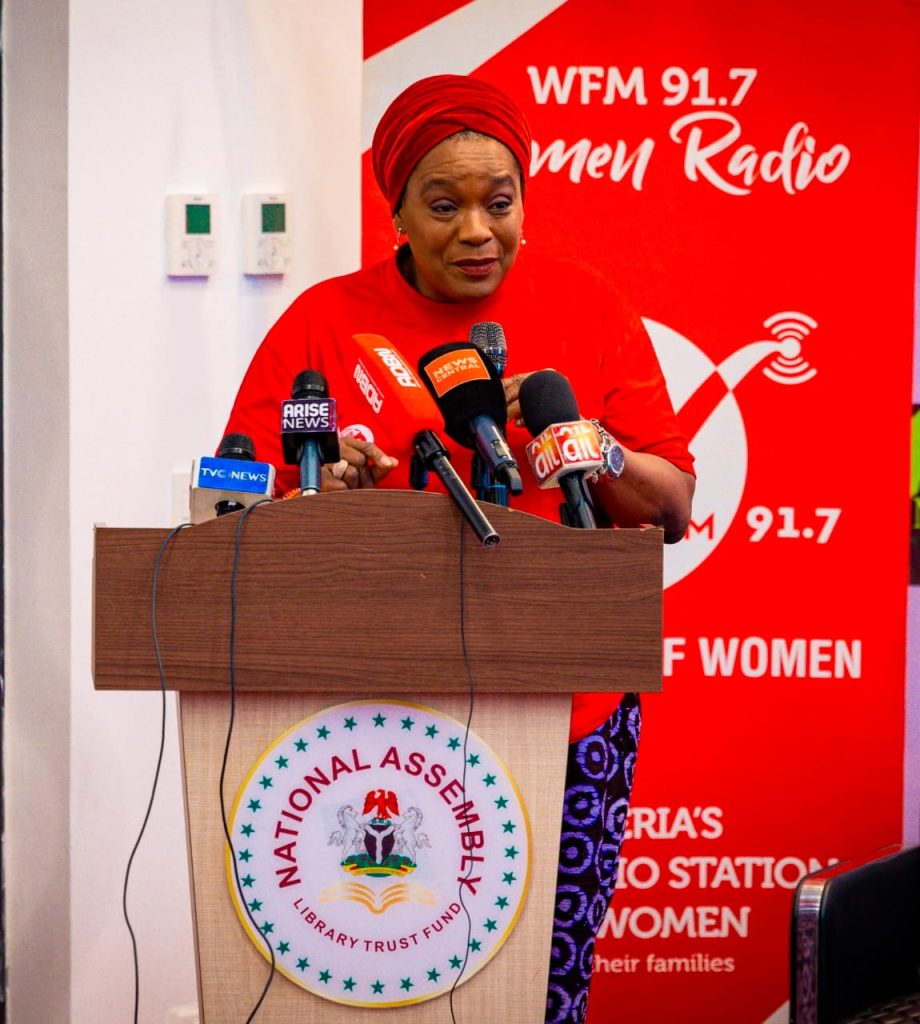
“We believe that support for women in politics should not end at the primaries—it must continue until women are elected into office,” she said.
While commending President Bola Ahmed Tinubu for supporting women through the Ministry of Women Affairs, Sonaiya urged the Independent National Electoral Commission (INEC), political parties, the National Assembly, development partners and the media to do more to create a level playing field for female candidates.
“Supporting women must go beyond encouraging them to contest elections. It must include creating a level playing field, ensuring equal access to opportunities and resources, promoting issue-based campaigns, giving women greater visibility, and making our political spaces safer and more inclusive,” she stated.
She also appealed to male political leaders to champion women’s inclusion, declaring: “To the men who lead our institutions and political parties, I make a special appeal: be allies, not gatekeepers. Open doors. Mentor women. Support their leadership. Nigeria’s democracy will be stronger when women are fully represented.”
Government representatives, political actors and development partners who attended the summit renewed their commitment to strengthening institutional support for women candidates and advancing inclusive representation in Nigeria’s democratic process.