The National Agency for the Control of AIDS (NACA) has reviewed the Gender and Human Rights response framework in Ebonyi State as part of its efforts to strengthen the protection of vulnerable population.
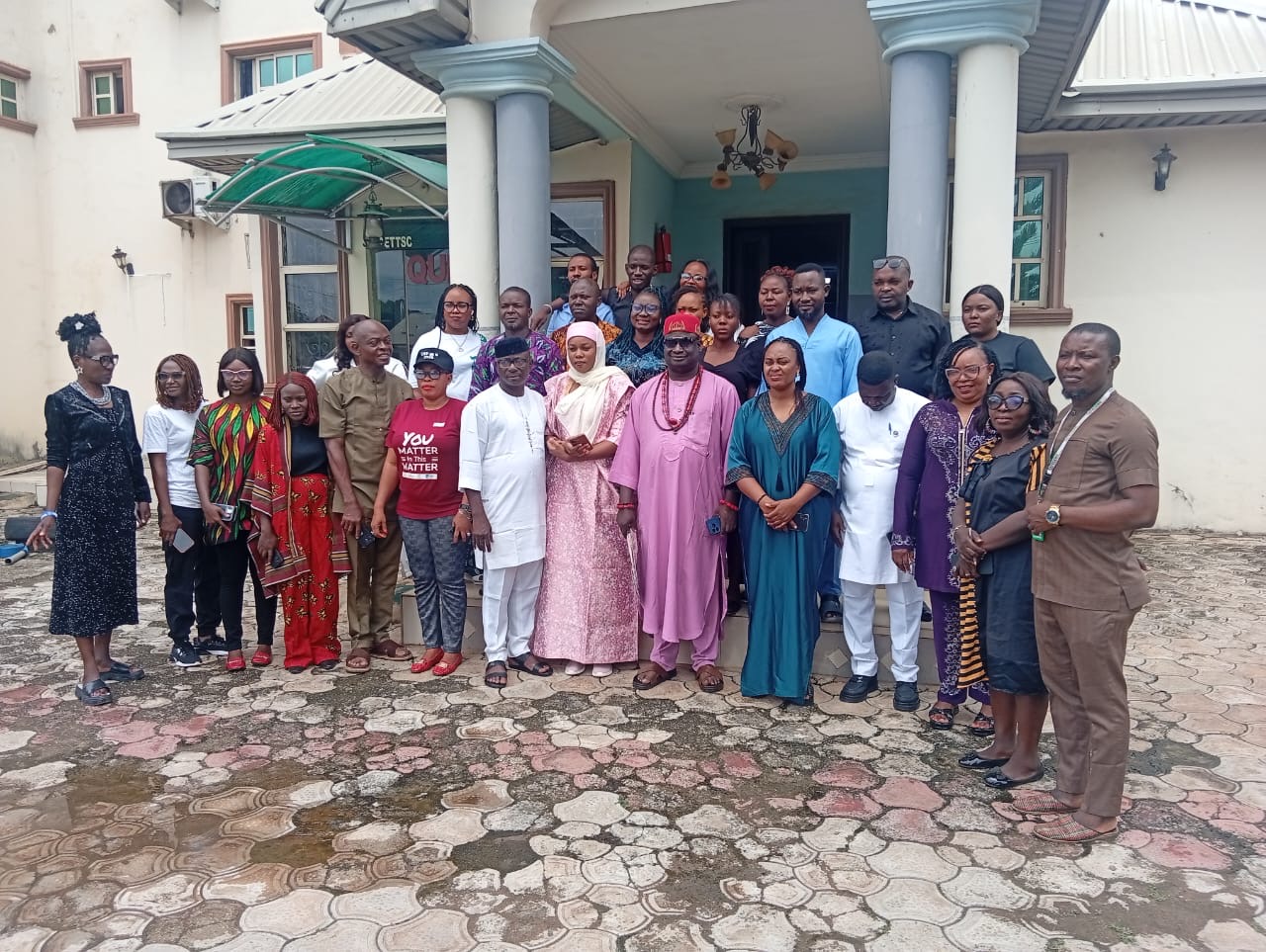
The Agency reviewed the framework at the end of its five-day stakeholders’ meeting, jointly organised with the Ebonyi State Agency for the Control of AIDS (EBOSACA) in Abakaliki, Ebonyi State capital.
READ MORE: Kaduna Launches Maternal Health, HPV Vaccination Drive
At the end of the programme, the Assistant Chief Programme Officer in the Community Prevention Department of NACA, Mrs. Favour Iyamu-Obi said the exercise was aimed at assessing the functionality and effectiveness of the Gender and Human Rights Response Team in Ebonyi State.
According to Iyamu-Obi, the assessment became necessary to evaluate the team’s achievements, identify existing gaps and challenges, and strengthen its capacity to address human rights violations affecting people living with HIV, and other vulnerable groups.
“We have been able to assess the functionality of the team, identify gaps and challenges, and develop action plans for key thematic areas, including access to justice, stigma and discrimination, and the provision of non-discriminatory services,” she said.
She noted that the Agency would return to the state later in the year, to evaluate the implementation of the action plans developed during the programme.
“I urge participants to focus on addressing stigma and discrimination and ensure non-discriminatory healthcare services, promoting access to justice, strengthening community mobilisation and advocacy, and leveraging existing laws and policies to tackle human rights violations in the state,” Iyamu added.
The Executive Secretary of Ebonyi State Agency for the Control of AIDS, Prince Chibueze Andrew Iteshi, said the programme was a critical intervention aimed at enhancing the state’s response to Gender and Human Rights issues.
He stated that the self-assessment exercise brought together stakeholders from various sectors, including government ministries, security agencies, traditional institutions, religious bodies, civil society organisations, community-based groups, development partners and the media.
According to him, protecting human rights requires a coordinated approach involving all relevant actors in society.
“Whenever a person’s rights are violated, especially people living with HIV, such individuals may experience stigma, discrimination and even depression. This is why all relevant agencies must be adequately supported to carry out their responsibilities effectively,” he said.
The EBOSACA boss appealed to the federal and state governments to prioritise budgetary allocations for human rights-related interventions.
He stressed that effective protection mechanisms would help preserve the dignity and wellbeing of vulnerable citizens.
A representative of the Christian Association of Nigeria (CAN) and Vice Chairman of the Association in Ebonyi State, Rev. Dr Joseph Nwibo, said the workshop had provided participants with valuable knowledge that would assist religious leaders in combating stigma and discrimination against people living with HIV.
He pledged to share the lessons learned during the programme with church leaders across the state and urged faith-based organisations to support efforts to protect the rights and dignity of affected persons.
The workshop also featured presentations and discussions on rights-based approaches to law enforcement, legal literacy, access to justice and strategies for reducing stigma and discrimination against people living with HIV and other vulnerable populations.