The Nigerian National Assembly is set to commence the digitisation of parliamentary records and translate Nigerian laws into Hausa, Yoruba, Igbo and other local languages.
The move aimed at expanding public access to legislative information as part of efforts to preserve the country’s democratic memory.
The Senate President, Senator Godswill Akpabio urged Nigerian Lawmakers to tackle misinformation, disinformation and the rapid development of artificial intelligence through regular knowledge gathering.
He made the call at the 2026 National Assembly Library Week, themed, “Parliamentary Memory: Connecting Records, Legislation and the People.” in Abuja.
Represented by Senator Osita Ngwu, Senator Akpabio urged lawmakers to make greater use of the library, particularly in an era of increasing use of AI.
He described the library as ‘a critical link between evidence, knowledge and legislative decision-making,’ and called for continued support for its development.
The Speaker of the House of Representatives, Mr. Tajudeen Abbas, represented by the House Leader, Prof. Julius Ihonvbere, said that “legislative records were essential to understanding Nigeria’s legislative history and strengthening democratic governance.”
He said the strength of a legislature should be measured not only by the laws it enacted, but also by how effectively it documented its activities, preserved institutional knowledge and made such information available to future generations.
The Speaker also said that technology and artificial intelligence could improve legislative research, records preservation and access to information, but cautioned that their adoption must be guided by accuracy, security, professional judgment and protection of the integrity of parliamentary records.
On his part, the Clerk to the National Assembly, Mr. Kamoru Ogunlana said that the National Assembly could not be truly independent if it lacked the capacity to generate, preserve, retrieve and authenticate its institutional knowledge and records.
He said that the library had an important role as a bridge between parliamentary records, legislation and the people, stressing that Parliament could not be fully transparent if its records could not be found, understood and trusted.
Mr. Ogunlana identified the Order Paper, Votes and Proceedings and Hansard as key components of Nigeria’s democratic memory.
He explained that “the Order Paper provides the agenda for legislative business, the Votes and Proceedings record decisions and proceedings, while the Hansard provides a comprehensive record of debates and lawmakers’ contributions.”
The Clerk also warned against the circulation of incomplete, outdated, altered or unauthorised Bills, Acts and other parliamentary documents, saying “digital technology has made it possible for documents to be manipulated and circulated to thousands of people within minutes.”
He stressed that the integrity of an Act depended not merely on the existence of a document, but on the ability to establish which version was authentic, which was authoritative and the legal process through which it emerged.
Mr. Ogunlana however called for stronger collaboration among the National Assembly, the Office of the Attorney-General of the Federation, the Nigerian Law Reform Commission and the Press to ensure that Nigerians have easy access to current and authoritative versions of federal laws.
He said that the National Assembly must also strengthen cybersecurity, digital preservation, secure authentication, access controls, backup systems and staff training as parliamentary records become increasingly digitised.
Mr. Ogunlana warned that while digitisation would make parliamentary information easier to access, search and disseminate, it could also expose records to cyberattacks, manipulation and impersonation of official sources.
The Clerk said digital platforms must therefore be accessible and secure, while electronic records must be available, authentic and traceable.
Mr. Ogunlana said the National Assembly Library should evolve beyond being a repository where documents are kept to becoming an institution where parliamentary knowledge is preserved, authenticated and made accessible to lawmakers, researchers, journalists, civil society organisations, students and the wider public.
The Secretary-General of the Conference of Speakers of African Legislatures, Ambassador Debo Oyewale, said African legislatures had much to learn from one another in building institutions capable of preserving legislative memory, improving access to information and strengthening democratic governance.
The President of the Nigerian Library Association, Dr Lawal Umar, has called for sustained investment in libraries and modern information technology to improve access to legislative information, while urging stronger collaboration between the National Assembly and state Houses of Assembly.
The Executive Secretary of the National Assembly Library Trust Fund, Mr. Henry Nwawuba, said the library serves as the knowledge infrastructure of the legislature and a repository of parliamentary records, legislative information, research materials and the institutional memory of Nigeria’s democratic journey.
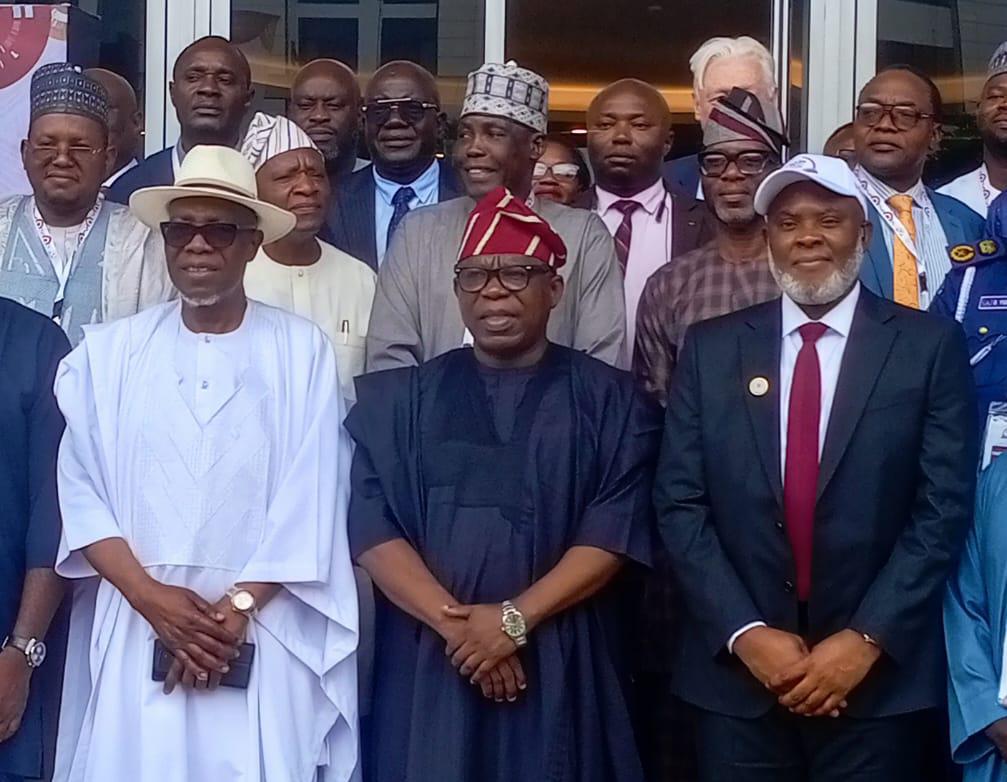
He stated this while declaring open the 2026 National Assembly Library Week, themed, “Parliamentary Memory: Connecting Records, Legislation and the People.”
He said the library was working to ensure that lawmakers, legislative aides, researchers and other stakeholders have access to authoritative parliamentary records, including Order Papers, Votes and Proceedings, committee reports, Acts passed by the National Assembly, gazetted laws and oversight manuals.
Mr. Nwawuba said that “the three-day programme was designed as an annual platform to promote legislative research, access to information and effective utilisation of the resources of the National Assembly Library.”
He noted that the Trust Fund was investing in electronic repositories and upgrading its E-Library, while developing a National Assembly Library mobile application to make legislative information more accessible to lawmakers, staff, researchers and members of the public.
He also announced plans for a Bills Tracker, which would enable users to follow bills and monitor their progress through the legislative process.
The Executive Secretary also said that the library would also organise public policy dialogues to deepen citizens’ participation in public hearings and create more opportunities for interaction among legislators, citizens, researchers and other stakeholders.
He stressed that the initiatives were aimed at addressing inconsistencies in official parliamentary documents and the circulation of fake or unauthorised copies of National Assembly records.