

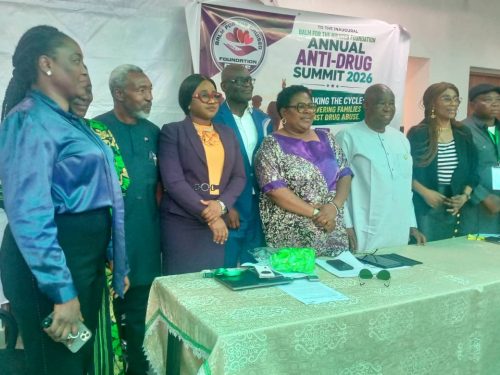
The National Drug Law Enforcement Agency (NDLEA) has appealed to Nigerians to support its campaign against drug abuse and illicit trafficking.
NDLEA warned that substance abuse is destroying families, fueling violent crime, and threatening the nation’s future.
Deputy Commandant of Narcotics, NDLEA, FCT Strategic Command, Dr. Aliyu Omama, made the appeal at a Drug Abuse Prevention Summit organised by the Balm for the Bruised Foundation in Abuja.
Dr. Omama said “the agency has expanded its mandate beyond arrests and seizures to include public sensitisation, counselling, rehabilitation, and community engagement aimed at preventing drug abuse before it begins”.
He stressed that the NDLEA cannot win the fight alone, urging members of the public to provide credible information on drug traffickers and illicit drug activities, while assuring them that the identities of informants would be kept strictly confidential.
According to him, substance abuse has left many families devastated, with victims often experiencing hallucinations and exhibiting violent or irrational behaviour.
Citing examples to underscore the dangers of drug abuse, Dr. Omama said some individuals allegedly under the influence of methamphetamine had committed violent crimes, including a reported case in which a young man killed his father during a drug-induced hallucination.
He explained that illicit drugs impair judgment and alter normal behaviour, leading to actions ranging from public disorder to violent attacks.
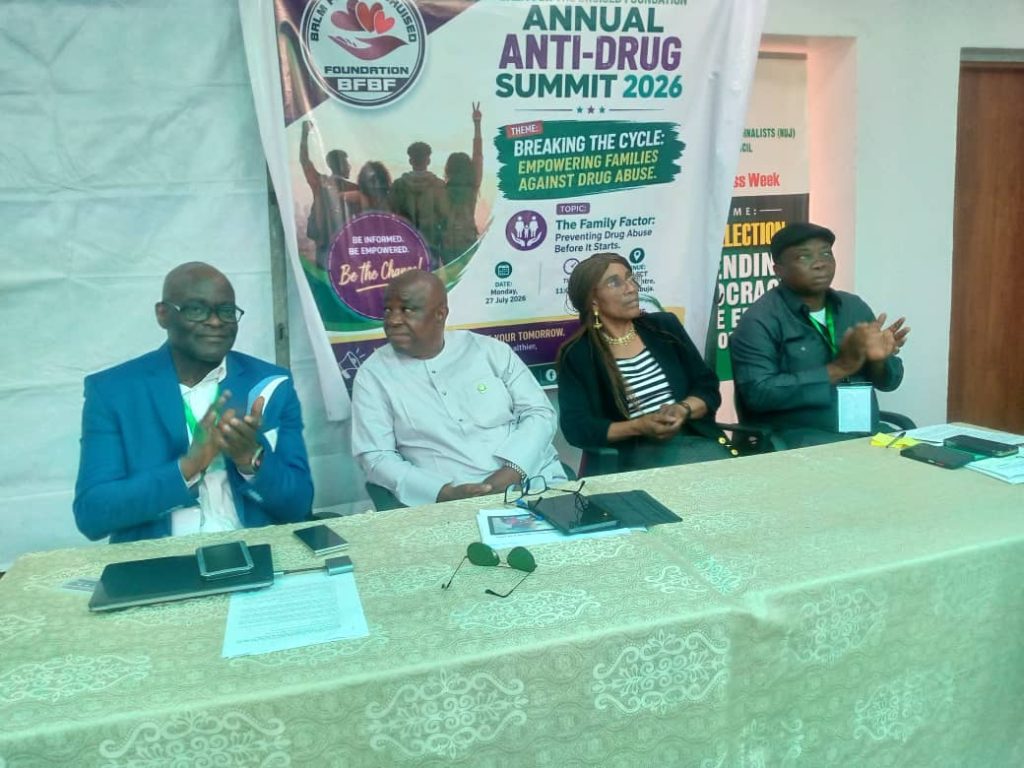 The NDLEA official also clarified that the agency’s responsibility ends after suspects are investigated and arraigned before the Federal High Court, noting that sentencing remains the exclusive responsibility of the judiciary.
He urged communities to cooperate with NDLEA personnel during operations rather than obstructing efforts to apprehend suspected drug traffickers.
Dr. Omama further disclosed that the agency operates rehabilitation centres where individuals battling drug dependence receive medical assessments, toxicology tests, counselling, and treatment before being reintegrated into their families and society.
“If you know anyone battling drug addiction, bring them to us. It is not only about arrest; rehabilitation and recovery are also part of our mandate,” he said.
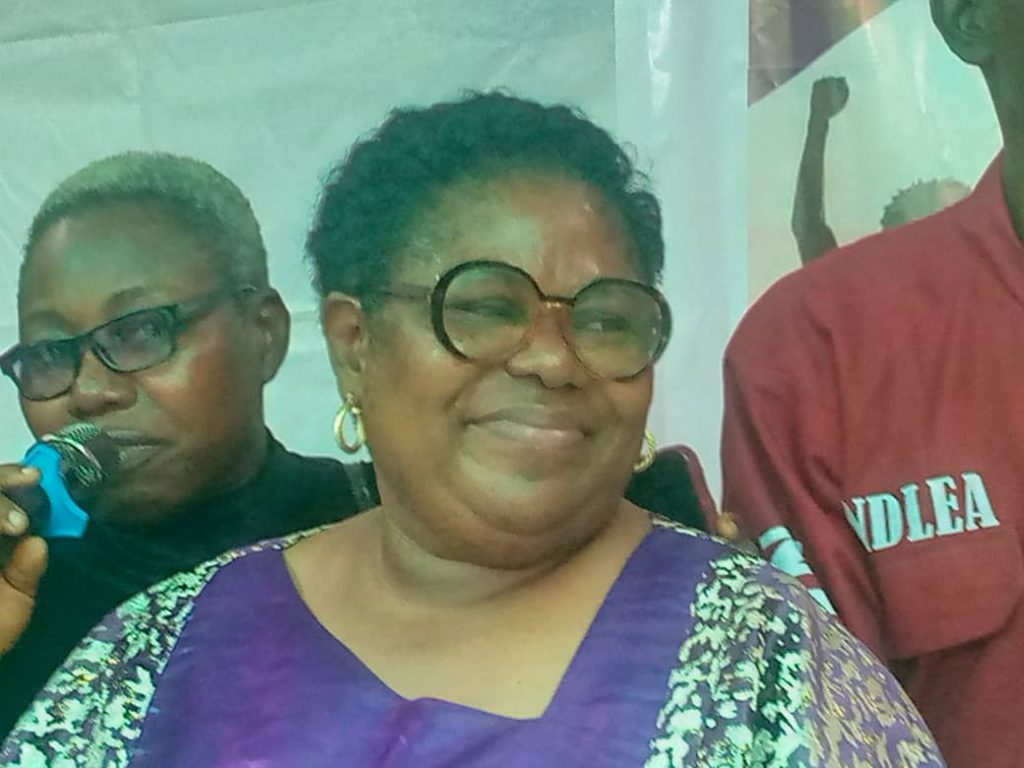
The Chief Executive Officer of the Balm for the Bruised Foundation, Princess-Ekwi Ajide, described drug abuse as one of the most pressing social challenges facing Nigerian families.
She said “the summit was designed to mobilise parents, educators, community leaders, faith-based organisations, young people, and development partners to work together in preventing substance abuse”.
Ajide stressed that prevention is more effective than treatment, noting that informed and engaged parents remain the first line of defence against drug addiction.
She also unveiled the Foundation’s publication, Impending Crisis: Drug Use Amongst Women in Nigeria, which examines the growing prevalence of substance abuse among women and its implications for families and society.
Also speaking, the Regional Affairs Vice-President of the West Africa Network Against Violence and Infringement (WANSA), Martin Igwe, called for concrete national action to address drug abuse rather than continued discussions.
Igwe warned that drug abuse has become a significant driver of insecurity, alleging that terrorists, bandits, and other criminal groups often consume illicit substances before carrying out attacks, kidnappings, and other violent crimes.
He identified weak parental supervision and poor family engagement as key factors exposing young people to drug abuse and urged parents to play a more active role in educating and monitoring their children.
The summit, themed “Breaking the Cycle: Empowering Families Against Drug Abuse,” brought together representatives of the NDLEA, the United Nations Office on Drugs and Crime (UNODC), civil society organisations, educators, parents, and community leaders to promote collective action towards building a drug-free society.

 has appealed to Nigerians to support its campaign against drug abuse and illicit............)