The Nigeria Data Protection Commission (NDPC) has urged Nigerians to embrace responsible artificial intelligence (AI) practices, warning social media influencers, technology developers and users against the misuse of personal data and violations of citizens’ privacy rights.
The Commission said technological innovation must be balanced with the protection of human rights, privacy and digital identities, stressing that violations of data protection laws could attract financial penalties and other enforcement measures.
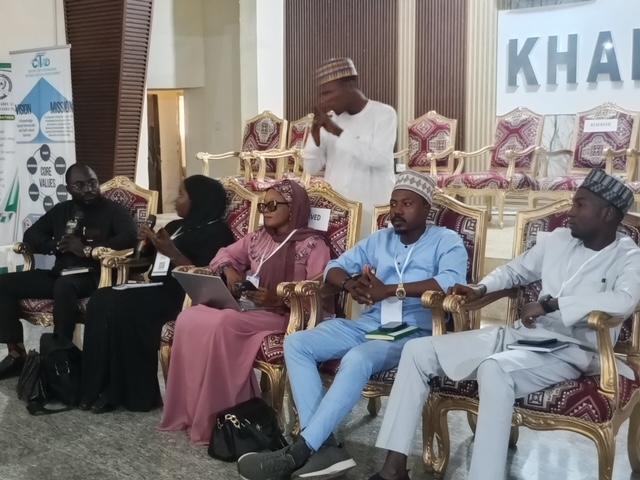
The National Commissioner and Chief Executive Officer of the NDPC, Dr Vincent Olatunji, gave the warning through the Deputy Manager, Strategy, Partnerships and Communications, Na’ankwat Dariem, in a message at the 7th Kano Social Influencers Summit (KANSIS) 2026.
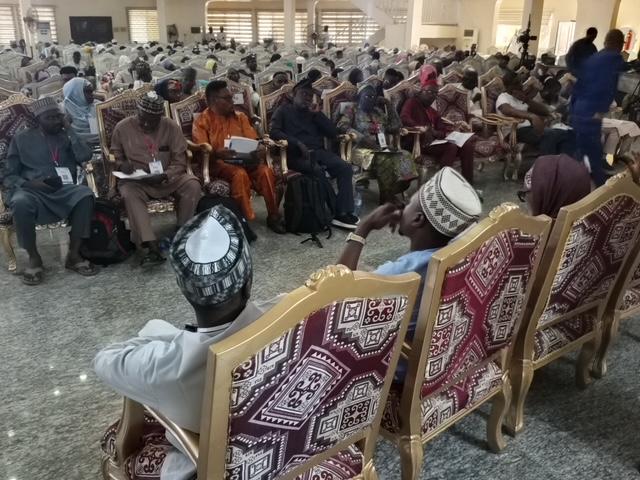
The summit, organised by the Centre for Information Technology and Development (CITAD), was held under the theme, “Future of Governance: AI, Innovation, and Citizen Engagement in Nigeria.”
Olatunji described the theme as timely, noting that artificial intelligence was rapidly transforming public services and civic engagement, making responsible innovation and public trust essential to Nigeria’s digital future.
READ ALSO: NDPC Boss Calls for Integrated Strategy on Data Privacy, Cybersecurity
He cautioned social media influencers against spreading unverified information and encouraging followers to share sensitive personal details with untrusted platforms.
“Influencers do not only share content. They shape behaviour, set norms and carry the trust of their audiences. That is a privilege, and it is a responsibility,” he said.
The National Commissioner further warned that generative AI had increased the risks of misinformation, deepfakes and digital manipulation, urging content creators and technology developers to verify information before publication and disclose when content was AI-generated.
He also cautioned against using individuals’ faces, voices or personal data without proper authorisation, emphasising that technology should promote human dignity rather than manipulate public perception.
The Commission explained that the Nigeria Data Protection Act, 2023, and its General Application and Implementation Directive provide the legal framework for protecting personal information and regulating its processing in the country.
According to Olatunji, compliance requires organisations and technology operators to incorporate privacy safeguards into their systems from the outset, collect only necessary information, assess potential risks and use personal data strictly for disclosed and lawful purposes.
He said Nigerians had the right to know how their personal information was being used, access and correct their data, object to direct marketing and, under appropriate circumstances, request its deletion.
Olatunji urged citizens to report cases of improper data handling to the Commission, while calling for stronger collaboration with civil society organisations, academia, the media and social media influencers to expand public awareness of digital rights.
Also speaking, the Assistant Manager, Legal, at the NDPC, Alexander Onwe, said the growing dependence of artificial intelligence on personal information made privacy protection a critical issue requiring urgent attention.
Onwe said the Commission partnered with CITAD to organise a parallel session titled “Real or Synthetic? Trust, Privacy and Accountability for Influencers in the AI Era.”
He described the privacy implications of AI as a significant concern, warning that failure to address them could create serious problems for individuals, businesses and institutions.
“It is a ticking time bomb that is ready to blow up if we don’t put the right regulations in place,” Onwe said, emphasising the need for Nigerians to understand the privacy risks associated with AI tools.
He explained that individuals must establish a lawful basis for processing personal data before uploading another person’s information into AI systems, adding that consent might be required depending on the circumstances.
According to him, individuals whose personal information was unlawfully used could seek legal redress or lodge complaints with the Commission for appropriate action.
Onwe stressed that the NDPC was not opposed to artificial intelligence but was advocating its responsible use to build public confidence and encourage wider adoption.
“We are not trying to stop the use of AI or to push back on the use of AI, but to encourage people to use it responsibly,” he said.
He further disclosed that violations of data protection laws could attract financial penalties, enforcement actions and, in certain circumstances, imprisonment for failure to comply with lawful enforcement orders.
The NDPC legal officer added that the Commission had conducted more than 10,000 awareness activities and was seeking partnerships with individuals and organisations to strengthen public education on data protection and privacy rights.
In a separate contribution, legal practitioner Nana Fatima of Switch Solutions Limited, a licensed Data Protection Compliance Organisation working with the NDPC, highlighted the importance of consent, accountability, duty of care, data minimisation and purpose limitation in processing personal information.
Fatima said increased public awareness of data protection principles would help reduce fears associated with artificial intelligence and enable Nigerians to use emerging technologies more confidently.
She noted that AI should be viewed as a tool for improving human capabilities and expanding opportunities rather than automatically as a threat to employment.
Fatima urged Nigerians, regardless of their profession or workplace, to familiarise themselves with the Nigeria Data Protection Act and ensure that personal information was handled in accordance with the law.
She also encouraged individuals and organisations to seek guidance from the Commission and licensed Data Protection Compliance Organisations to improve their understanding of privacy obligations.
The speakers agreed that public education, regulatory compliance and collaboration among government institutions, technology practitioners, media organisations and digital content creators would be crucial to building a safer and more trustworthy digital environment in Nigeria.