The National Human Rights Commission (NHRC) is developing a comprehensive 2027 workplan to advance the rights of persons with disabilities in Nigeria and strengthen the implementation of the African Disability Protocol.
The Executive Secretary of the commission, Dr Tony Ojukwu, said Nigeria was seeking to improve stakeholder coordination, introduce targeted interventions and achieve measurable outcomes in disability rights implementation.
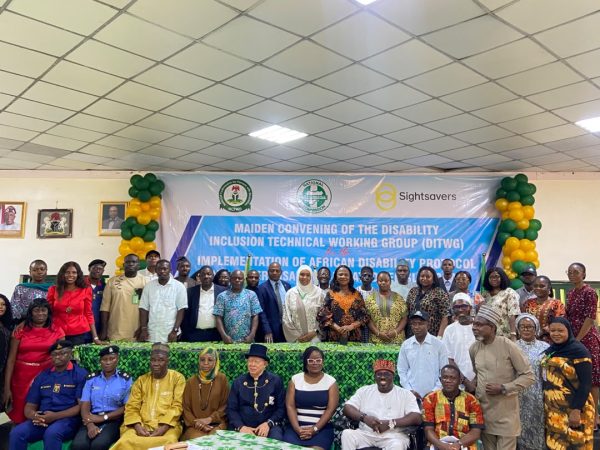
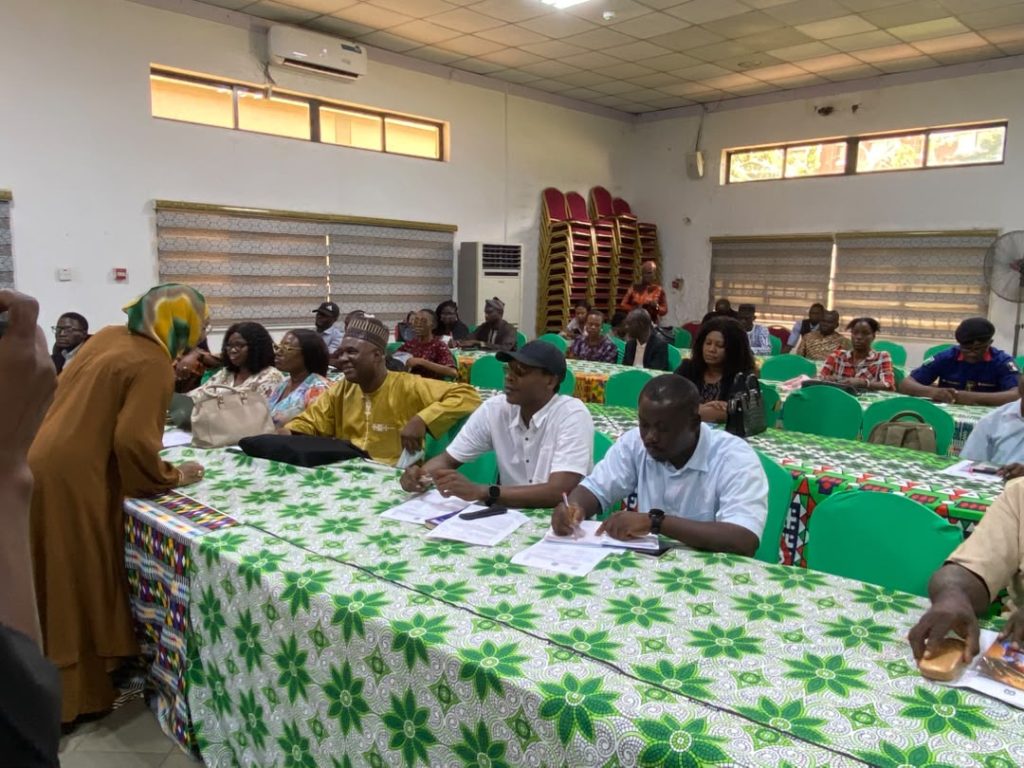
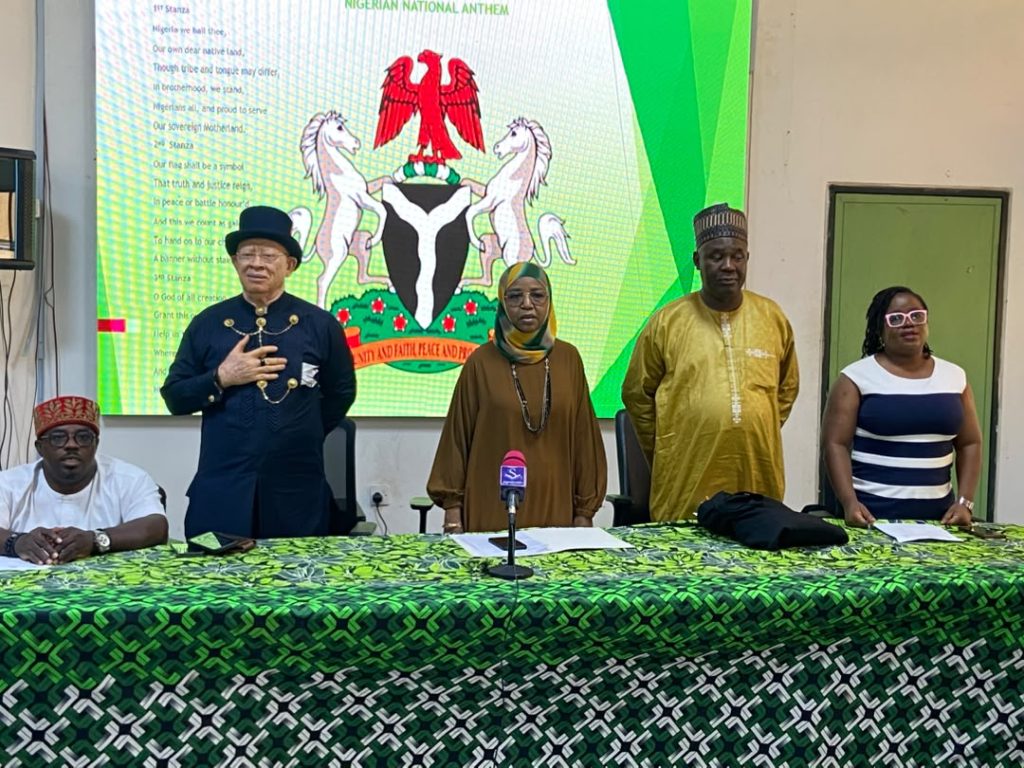
Ojukwu, represented by the commission’s Director of Legal Services and Enforcement, Mrs Rabi Anwar, spoke at the maiden meeting of the Disability Inclusion Technical Working Group (DITWG) in Abuja.
He said the meeting aimed to translate Nigeria’s commitments to disability rights into practical action through clear responsibilities, coordinated interventions and sustained collaboration among relevant institutions.
“Today’s convening is therefore a call to action. It provides an opportunity to move beyond discussions and commitments towards the practical implementation of the ADP through clear strategies, defined responsibilities and sustained collaboration among relevant stakeholders,” he said.
Ojukwu explained that the working group would establish functional subcommittees aligned with the protocol’s provisions to identify implementation gaps, draw on members’ technical expertise and develop targeted interventions.
He said the group would also prepare a comprehensive 2027 workplan outlining clear priorities, achievable activities, measurable indicators and realistic timelines. It would contribute to periodic reports to the African Commission on Human and Peoples’ Rights, where appropriate.
The NHRC executive secretary recalled that the commission organised a two-day stakeholder workshop on 8 and 9 October 2024 to improve participants’ understanding of their responsibilities under the protocol and other relevant disability legislation.
He described the establishment of the working group as a significant step towards translating Nigeria’s legal commitments into coordinated action.
Ojukwu reaffirmed the commission’s commitment to serving as the working group’s secretariat, coordinating stakeholder engagement and following up on the activities and recommendations of its subcommittees.
He noted that the commission’s mandate included promoting and protecting human rights guaranteed by Nigeria’s Constitution and the international and regional human rights instruments to which the country is a party.
Ojukwu also cited Article 34(2) of the African Disability Protocol, which provides for national mechanisms to monitor the implementation of the rights of persons with disabilities.
He commended Sightsavers for supporting disability inclusion and efforts to integrate disability rights into the activities of ministries, departments and agencies, as well as other relevant institutions and organisations.
He also acknowledged the National Commission for Persons with Disabilities and the Joint National Association of Persons with Disabilities, which co-chair the technical working group, alongside other members for their commitment to advancing disability rights.
Ojukwu expressed hope that the meeting would strengthen partnerships and produce actionable resolutions to improve the implementation of the protocol and other disability-related laws in Nigeria.
The Senior Special Assistant to the President on Disability Matters, Mr Mohammed Abba Isa, represented by Mr Lanre Oloyede, said the effectiveness of disability inclusion efforts should be measured by tangible improvements in the lives of persons with disabilities rather than the number of meetings held or documents produced.
“The true measure of our success will not be the number of meetings held or documents adopted, but the barriers removed, opportunities created, rights protected, and lives transformed,” he said.
Isa urged stakeholders to ensure that disability rights commitments were reflected in legislation, public policies, budgetary allocations, institutional practices and measurable outcomes.
He added that the DITWG must evolve beyond a consultative platform into an effective coordination and accountability mechanism capable of driving implementation.
Representing the Country Director of Sightsavers, Mrs Joy Tarbo said the organisation remained committed to supporting initiatives that promote disability rights, inclusive development and meaningful participation.
She stressed that legislation alone could not transform lives without sustained collaboration among government institutions, organisations of persons with disabilities, civil society groups, development partners and other stakeholders.
The African Disability Protocol, formally known as the Protocol to the African Charter on Human and Peoples’ Rights on the Rights of Persons with Disabilities in Africa, provides a regional framework for protecting and promoting the rights of persons with disabilities.