The Niger State Development Forum has hailed the Federal Government’s proposed N1.5 trillion reconstruction and dualisation of the Lambata–Bida-Mokwa-Makera highway, describing it as a major investment expected to boost agriculture, commerce and economic growth in Niger State and beyond.
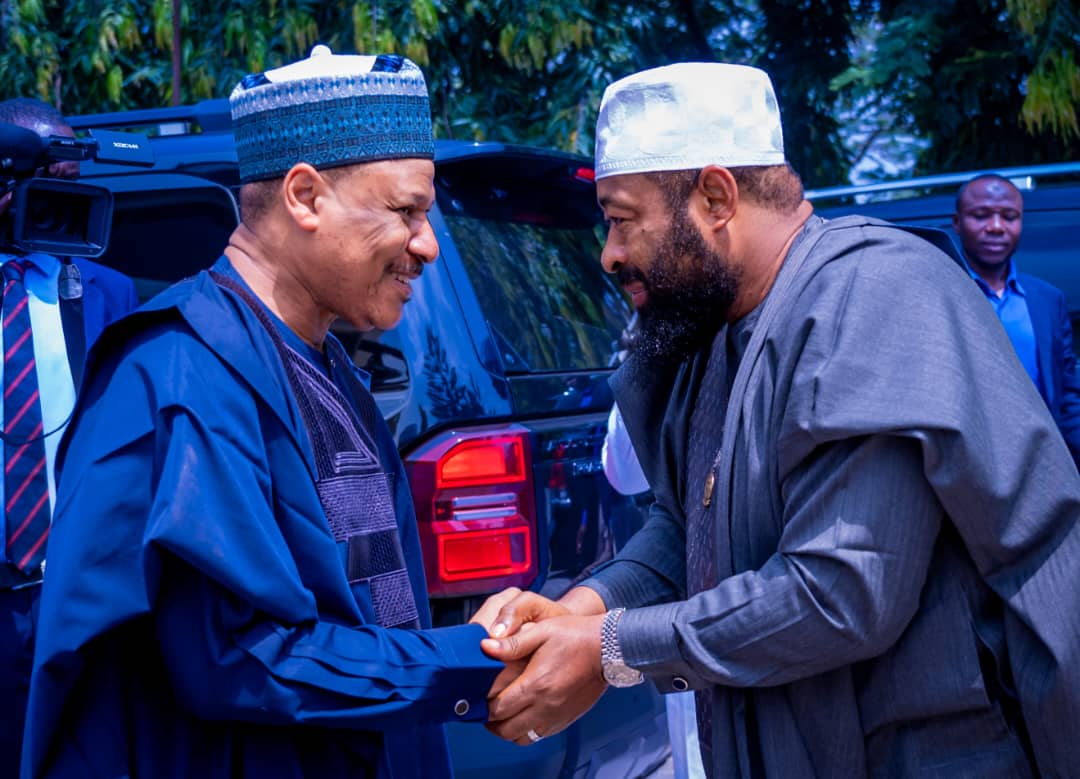
Nigeria’s Minister of Information and National Orientation and chairman of the forum, Mohammed Idris, stated this when he led members of the forum on a courtesy visit to Niger State Governor, Mohammed Umaru Bago, at the Niger State Liaison Office in Abuja.
Idris said the project underscored the benefits of collaboration between the Federal and Niger State governments, noting that improved road infrastructure would connect rural communities, facilitate the transportation of agricultural produce and attract investment along the corridor.
“The N1.5 trillion project is a significant investment in the future of Niger State and the country. Its benefits would extend beyond road transportation. Road construction is not just an award of contract; it is an investment in the future of our people. The highway would strengthen connections between communities and commercial centres, improve the movement of agricultural produce and stimulate investments along the corridor,” he said.
READ ALSO: Nigeria’s Trans-Sahara Road Project Hits 45% Completion- Minister
The minister commended President Bola Ahmed Tinubu for the infrastructure initiative and other major projects, including the proposed Sokoto-Badagry Superhighway and the Lagos–Calabar Coastal Highway, which he said were expected to improve connectivity and stimulate economic activities across the country.
He expressed optimism that improved road networks would create opportunities for farming, agro-industrial development and trade, while helping to address insecurity by expanding economic opportunities in underserved communities.
Idris also praised Bago’s investments in agriculture, mechanisation, commercial farming, agro-industrial development and urban renewal, describing them as important steps towards strengthening Niger State’s economic prospects.
He said the forum would continue to support initiatives aimed at attracting investment, strengthening partnerships and accelerating development across the state.
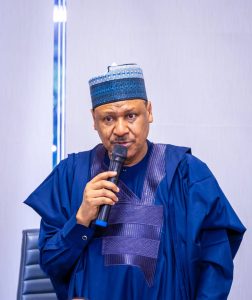
“Our responsibility extends beyond acknowledging these developments. The forum remains a platform for constructive engagement, informed advice and collective action in the interest of our state. The forum would continue to deploy its members’ experience, professional networks and expertise to attract investments and support policies that would accelerate development,” he noted.
The minister reaffirmed the forum’s readiness to work with the state government beyond political considerations, stressing that its members were united by a shared commitment to Niger State’s progress.
Responding, Governor Bago thanked members of the forum for their contributions to the state and commended President Tinubu for supporting major infrastructure and energy projects in Niger State.
He said the state had benefited significantly from the Federal Government’s support, particularly in road construction and renewable energy.
“We have enjoyed so much patronage from the Federal Government as a state. I’m not sure any state has gotten more than us, and if there is any, I want to know,” he said.
“I want to single out the President and Commander-in-Chief of the Nigerian Armed Forces, my father, President Bola Ahmed Tinubu, for his love for Niger State. The President had supported efforts towards the dualisation of the Minna–Bida Road and a $160 million solar energy project through the Islamic Development Bank,” he furthered.
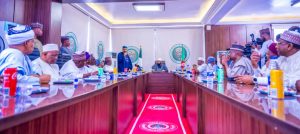
Bago also highlighted ongoing road projects linking Minna, Zungeru, Kontagora, Tegina and Rijau, expressing optimism that improved connectivity would boost trade and agricultural production.
He commended Idris for his leadership of the forum, noting that its recommendations and communiqués had continued to inform policy discussions and decisions by his administration.
The governor urged members to sustain their contributions, stressing that the development of Niger State required collective responsibility beyond political affiliations.
Today in Abuja, in my capacity as Chairman of the Niger State Development Forum (NSDF), I led members of the Forum on a courtesy visit to the Governor of Niger State, H.E. Mohammed Umaru Bago.
I used the visit to convey heartfelt condolences to the Government and people of Niger State, especially the families and communities affected by recent tragedies and security challenges.
I commended the Governor for his administration’s investments in agriculture, infrastructure, urban renewal and economic development, which are laying important foundations for the transformation of our state. I also commended him for deepening collaboration between the Federal and State Governments to deliver critical infrastructure and economic opportunities for the people of Niger State.
With its vast agricultural potential, central location and contribution to national electricity supply through the Kainji, Jebba and Shiroro hydropower stations, Niger is vital to Nigeria’s development.
The Federal Government’s commitment to Niger under H.E. President Bola Ahmed Tinubu, GCFR, is clear in the reconstruction and dualisation of the Lambata–Bida–Mokwa–Makera–Kontagora Federal Highway, valued at about ₦1.5 trillion. Groundbreaking is scheduled for next week in Bida.
This is a landmark intervention in one of Nigeria’s most important agricultural and commercial corridors. The highway will improve access to farming communities, connect markets and industrial centres, and ease the movement of produce, goods and people.
In his remarks Governor Bago expressed deep gratitude to President Tinubu for his support for Niger State, noting that the state has benefited from federal infrastructure projects, development financing and appointments to federal institutions.
— Mohammed Idris, FNIPR (@HMMohammedIdris) October 9, 2026
He called on political leaders, professionals, public servants and other stakeholders to prioritise the state’s interests and work collectively towards improving the welfare of residents.
Speaking on the security challenges confronting the state, Bago attributed part of the problem to Niger State’s vast geographical size and the historical neglect of some forest reserves.
He reaffirmed his administration’s commitment to working with security agencies to restore peace and stability across the state.
The meeting underscored the importance of sustained cooperation among the Federal Government, the Niger State Government, and stakeholders in addressing infrastructure deficits, improving security, and expanding economic opportunities across the state.